





For GLP-1 users with smaller appetites, every calorie counts – and dairy is caught in the crossroads of functionality and indulgence
Few foods have made a comeback quite like cottage cheese. In what felt like an overnight shift, the lumpy curds ditched their outdated associations with 1980s diet culture and became the hottest new food trend.
Fuelled by social media hype and innovative recipes, sales have soared to new highs. Monthly volumes of cottage cheese in the UK shot up from a little over 900 thousand kilos at the start of 2023 to more than 1.7 million kilos in the final month of 2025, according to NIQ data.
Now cottage cheese has another string to its bow. Among users of GLP-1 weight-loss drugs, it’s experiencing a 19ppt uplift in sales compared to the wider population, according to Worldpanel by Numerator. That’s the highest increase of any dairy product.
For Jonny Forsyth, food & drink principal strategist at Mintel, the appeal of cottage cheese is clear in this context. “It is a bland but protein-rich option, which could be well suited to GLP-1 users, especially those experiencing nausea,” he says. “Mintel finds that 45% of GLP-1 users find cottage cheese an appealing protein source, versus 35% of consumers overall.”
Forsyth believes its popularity signals a far wider opportunity for the dairy industry. “Dairy is better placed to win with GLP-1 than many food and drink categories,” he says. He points to the naturally high protein content of most dairy products, which were popular among dieters even before weight-loss jabs arrived on the scene.
So, as usage of GLP-1 drugs grows, where are the opportunities for dairy beyond cottage cheese? Which parts of the category will thrive, which could suffer, and how can brands avoid getting their GLP-1 strategy wrong?

Looking at total grocery, it’s hard to see any positive impact of weight-loss drugs like Mounjaro and WeGovy. The medication wiped £780m from household grocery spend in the year to February 2026, according to Worldpanel data.
“At the moment, about 4%-5% of the UK population is using GLP-1 drugs and, for that population, the calorie reduction is very significant,” sums up Nilpesh Patel, partner at OC&C Strategy Consultants. By 2030, OC&C expects penetration to reach 10% in the UK, fuelled by the rise of the tablet form. The expected expiry of drug patents after that date could push the figure even higher.
Yet this won’t hit all areas of the food industry equally. Eating well as a GLP-1 user isn’t a simple case of consuming the same foods in lower quantities. The sizeable fall in calorie consumption means diets must be packed full of nutrients.
Nutrient deficiency in GLP-1 users
- 0.6g of protein eaten daily for every kilogram of body weight*
- 88% miss protein targets*
- 13.6% are vitamin D deficient after 12 months of usage**
- 60% consume below requirements for calcium and iron**
*Vinelli et al, study of 332 adults on GLP-1 drugs, 2026
**J Urbina et al, review of six studies spanning over 480,000 adults, 2026
Dr Federica Amati, head nutritionist at Zoe, compares the effect of GLP-1 drugs to bariatric surgery. “We’re talking about up to a 40% calorie reduction, but without any of the support you get with surgery.”
Around 95% of GLP-1 drugs are prescribed privately in the UK, often without much dietary guidance. So it’s unsurprising many users are lacking in important nutrients. A key concern is under-consumption of protein, which heightens the risk of muscle wastage. A 2026 study found GLP-1 patients averaged just 0.6g of protein intake daily for every kilogram of body weight – only half of what experts recommend. Patients are also found to be deficient in micronutrients such as vitamin D and calcium.
That’s where dairy can play an important supporting role. “With whole dairy foods, you’ve got the advantage of good protein profiling, plus they’re affordable and accessible,” says Amati. “It’s not just about protein, but also the micronutrient composition: dairy has calcium, B12, iodine and riboflavin.”
The key winners from the GLP-1 boom
Cottage cheese
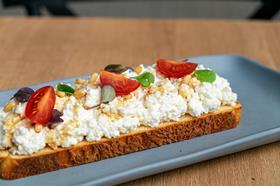
In Worldpanel’s study of eating habits, the lumpy curds experienced a 19ppt uplift in sales among GLP-1 users versus a control group. “Cottage cheese aligns with the growing focus on high-protein foods that support satiety and muscle maintenance during weight loss,” says Nishita Pattni, senior consultant at Worldpanel.
Alternative milks
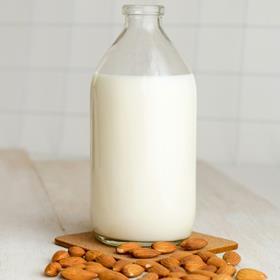
Plant-based milks were another big winner from the Worldpanel study, with a 15ppt uplift in sales among GLP-1 users. That’s despite many of these products containing less protein than cows milk. Their popularity “may reflect a broader shift towards health-conscious and wellness-orientated dietary choices”, says Worldpanel’s Pattni.
Yoghurt
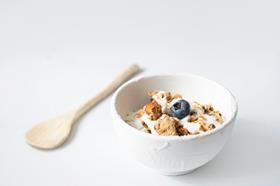
The naturally high protein content of yoghurts – along with their suitability for snacking – is cementing their popularity among people on weight-loss drugs. In the US, for instance, 32% of consumers say they’ve started buying more yoghurt since starting treatment with the likes of Ozempic [Acosta Group May 2026].
Protein shakes
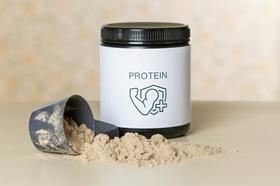
As appetites shrink, protein shake brands are positioning themselves as a convenient way to obtain nutrition. And their sales certainly haven’t been dented by the rise of weight-loss jabs. In the past year, value sales of RTD protein shakes have grown 31% in grocery to more than £184m [NIQ 52 w/e 11 July 2026].
The GLP-1 dairy winners
Certain dairy products fit the bill more than others (see p17). Cottage cheese is just one example. For Amati, whole yoghurts – rather than those with added sugar – and fermented dairy lines like kefir are obvious winners.
Dr Nadia Ahmad, founder & medical director of The Weight Care Clinic in Birmingham, recommends products that are naturally high in protein. “Greek yoghurt, cottage cheese, milk and skyr can all be excellent options because they provide protein, calcium and other essential nutrients in relatively small portions,” she says.
The point about small portions is also important. Early assumptions around snacking – that it would effectively die out among users of weight-loss jabs due to lack of appetite – were wide of the mark, says Forsyth at Mintel. “Early evidence suggests GLP-1 users may actually snack more than the general population because they have less of an appetite for three full meals. Our recent US research finds 48% of GLP-1 users are snacking more than a year ago, compared to 21% who are snacking less.”
That shift explains why yoghurt is emerging as one of the big winners. Yoplait cites US figures showing the potential at play. “In that more established GLP-1 market, 32% of consumers say they’re buying more yoghurt since starting treatment, while in the UK, almost £25m of consumer spend has already shifted from traditional snacking into yoghurt,” says Grant Yates, sales director at the brand.
Dairy drinks could stand to be another winner. Many protein shake brands believe their nutritional density means they are particularly well positioned to cater to GLP-1 users. It’s about offering “more protein per bite”, argues Lacka Foods, owner of UFit protein shakes.
Angie Turner, head of marketing at Lacka, takes a similar view. “A large serving or heavy product may be difficult for GLP-1 users to finish, even if its nutritional credentials look impressive,” she says. “We’re likely to see more interest in smaller serves as a result, with controlled calories and products that deliver meaningful nutrition without feeling like too much.”
That optimism is shared by Crediton Dairy, which expects to benefit through its Pro Mlk brand. “Protein milkshakes are ideally placed, offering the protein and hydration that weight-loss medication users are looking for,” says Abigail Kelly, the supplier’s head of marketing & insight.
Then there’s SuperNutrio, a milk brand that contains double the protein and 80% more calcium than regular cows milk. SuperNutrio has an added advantage over standard high-protein brands, in that it uses a filtration process to increase nutrient density rather than adding ingredients, says MD Bill Randles. GLP-1 users are looking for “products that deliver more nutritional value without adding complexity or becoming ultra-processed, helping consumers get more from familiar household staples”.
Still, not all natural products are winners. Zoe’s Amati names butter, cream and dairy desserts as areas that could suffer as GLP-1 users concentrate on health goals. The first example is borne out by Worldpanel data that shows an 18ppt decline in spend on butter & spreads among users of the drugs versus the wider population.
Forsyth believes anything that screams indulgence is at risk. “Dairy products and categories with a high fat and low nutritional profile are the most exposed – for example, butter, cream and other cream-based products such as mascarpone, crème fraîche, and clotted cream,” he says. “Ice cream is arguably the most exposed of all, since it combines fat and sugar with very little protein.”
He has important words of caution, though: “To paraphrase Mark Twain, reports of the death of indulgence have been greatly exaggerated.” He believes there’s potential opportunity in “smaller, more intensely indulgent formats” – as illustrated by Lindt reporting a rise of premium chocolate sales among GLP-1 users.
It’s one of many complex areas when it comes to weight-loss drugs. Plant-based is another. On the face of it, alt milks should be struggling. Few offer the same nutritional profile as cows milk – and, as Ahmad points out, only fortified soya “can provide comparable protein and key nutrients”.
Yet Worldpanel data shows a 15ppt uplift in spend on alternative milks among GLP-1 users compared to its control group. That could come down to a health halo around these products. Nishita Pattni, senior consultant at Worldpanel, links the increase in alt milk consumption to “a broader shift towards health-conscious and wellness-orientated dietary choices”.
That’s backed up by Givaudan, a flavour specialist that works with plant-based products. “Plant-based dairy alternatives are perceived as healthier options, and they can combine different protein sources to offer greater amino acid diversity,” says Catherine Bayard, global product manager at the company.
One way plant-based lines could boost their nutritional appeal is by adding fibre, which Zoe’s Amati says can help ease the common gastrointestinal side effects often associated with GLP-1s. Given only 4% of UK adults meet their recommended fibre intake, according to the National Diet & Nutrition Survey, GLP-1 users with lower-calorie diets will be struggling to get enough.
For that reason, Bayard sees dairy products with high fibre content as “a strong growth opportunity” for the future. Forsyth agrees, pointing to yoghurts and yoghurt drinks that contain prebiotic fibre as potentially big winners.
If brands can dial up those health-focused credentials, they might just join cottage cheese as a winner of the weight-loss drug era.
Should GLP-1 be an on-pack claim?
As usage of weight-loss drugs grows, brands packed full of nutrients naturally want to signal their suitability. The easiest way would be to state ‘GLP-1 friendly’ on pack. Yet most have steered away from an explicit claim, instead choosing to focus on wider claims like nutrient density.
“The retailers have put it on ready meal sleeves, yet I cannot find a single dairy product on a British shelf carrying a front-of-pack GLP-1 reference,” says Hamish Renton, CEO of food & drink consultancy HRA Global.
That’s down to commercial risk, believes Jonny Forsyth, food & drink principal strategist at Mintel. “Traditional dairy’s core demographic skews older. Yet this is precisely the group least engaged with GLP-1 drugs,” he says.
“The safer strategy is to target weight-conscious consumers with softer signals, such as nutrient density and ‘perfect portionality’. This allows brands to reach both audiences at the same time.”
Specific GLP-1 claims also throw up regulatory questions. “Like any health claim, there are strict rules and regulations that exist to protect consumers,” says Connor Sharkey, regulatory & specifications manager at Food Nutrition Partners.





No comments yet