



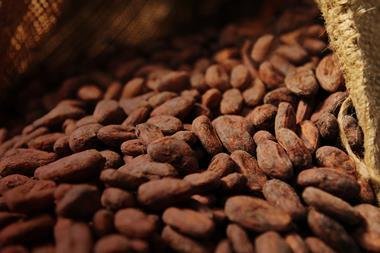
Despite what you may have read, the price of Easter eggs is coming down. About time too: falling commodity costs (down from $12,500 at their December 2024 peak to $3,250 this week) have combined with the multibuy promotions ban to deliver some much-needed respite for long-suffering chocoholics.
There’s more good news if you love winter vegetables: the seasonal discounts that were previously a Christmas feature first spread to Easter in 2024 and in the season of mad March hares, like myxomatosis, the collective insanity is getting worse, with Morrisons and Aldi slugging it out to offer carrots, parsnips, swedes and other root veg for 4p per pack this week.
Unfortunately, price cuts like these will soon be a thing of the past. We know food price inflation was set to stick around owing to government policy (higher business rates, employment costs and packaging taxes). The latest Worldpanel figures out this week showed like-for-like food price inflation flat at 4.3%.
But despite the best efforts of supermarkets and suppliers to cut costs, it’s a question of when not if shelf-edge prices start going back up. Last week the Institute of Grocery Distribution predicted food price inflation of 6.2% by the middle of the summer. This week the Food & Drink Federation estimated over 10%. And the latter’s modelling assumes the war will be over in two weeks, which is quite the assumption.
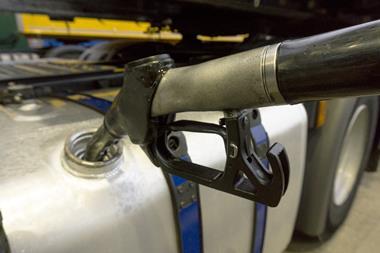
Already CPI requests are coming in. As we report this week, Princes last week sent out notification of a 5% blanket price increase on its full range, linked to increases in energy and fuel prices, shipping, logistics and insurance costs, raw materials and packaging as well as agricultural inputs and fertilisers. And if its approach feels a tad premature/unsubtle/downright unreasonable given the normal order of Groceries Supply Code of Practice terms, the direction of travel for food price inflation is clear, with petrol and diesel prices leading the one-way charge. The Chancellor summoned supermarket bosses to explain themselves this week. What she’s now discovering is the boot is on the other foot as supermarkets, manufacturers and farmers call for help.






No comments yet