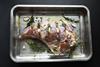
lamb joint - getty

Source: Getty Images 

Analysis by The Grocer has revealed that lamb joints are on average 8% more expensive than they were at the same point ahead of last Easter weekend

Inflation continues to plague the lamb category as retailers prepare for Easter, with prices up to 33% higher than last year’s already elevated levels.

Analysis by The Grocer shows joints are on average 8% more expensive than they were at the same point ahead of Easter 2025 [Assosia 52 w/e 19 March 2026], with ongoing tight supply still a major factor within the category.

The greatest increases were at Sainsbury’s, where its British Lamb Butterflied Leg rose by 33.3% year on year, from £15 to £20. This was followed by its Taste The Difference Welsh Hill Lamb Half Leg, which increased by 22.4% from £14.50 to £17.75.

The next biggest rise was in Tesco, where its Finest Lamb Shoulder with Cornish Sea Salt and Black Pepper shot up from £16.75 to £19.50, an increase of 16.4%.

Over 80% of the 40 lines in the traditional big four, discounters and Waitrose have increased above the line of inflation since last Easter, the Assosia data shows.

One meat sector source told The Grocer that lamb supply issues included a smaller breeding flock, which had been exacerbated by unpredictable weather in recent months and disease.

Strong demand was also a factor in elevated farmgate prices, said AHDB senior red meat analyst Becky Smith, “with processors looking to secure supplies for the key demand periods of Ramadan and Easter”.

“Retailers are working hard to keep prices down for consumers this Easter,” said Andrew Opie, director of food and sustainability at the BRC. “[But] there are continuing price pressures on certain products, such as lamb.

“However, supermarkets will be running a variety of promotions in the run-up to Easter, and strong competition means customers will continue to get the best value over the period,” he added.

A Sainsbury’s spokesperson said the retailer was “focused on offering customers great value on their Easter favourites” and that it had invested over £1bn in keeping prices low. 

“We’re proud that all our own-brand lamb is British all year round as part of our commitment to supporting UK farmers, and work hard to deliver great value by offering our customers ethically sourced, quality products at fair prices,” said a Waitrose spokesperson.

The retailer said it’s average increase was lower than 8% according to its internal measurements. 

It comes as new research from AHDB has revealed there is a key difference between what shoppers say they do versus what they actually do in-store when making meat purchasing decisions. 

The survey found that before visiting a store, shoppers claimed price was the key driver when buying meat but once in the aisle, how the meat looked mattered more than the price. It also revealed that shoppers are visiting more retailers in search of the best quality meat at the best price. 

All retailers were approached for comment.