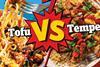
The meat-free sector is going through changes: natural plant proteins are rising as vegan alt meats struggle. Will tofu or tempeh take the crown?

David Knibbs has experienced his fair share of frustration trying to tempt people with tofu samples. Passers-by would dismiss the offer out of hand, remembers the MD and co-founder of The Tofoo Co. “I’d ask how they know they don’t like it, and they’d say: ‘Well… I just know I won’t’.”

In the past couple of years, however, “we’ve seen a bit of a sea change”. The British public has started to wake up to the potential of tofu. That’s playing out in the numbers. The Tofoo Co was the standout performer in meat-free last year, delivering value growth of 11.1% and volume growth of 10.6%, The Grocer’s latest Top Products Survey revealed.

Tempeh brands are enjoying a similar growth story. Better Nature shot up 10.5% in value, driven by volume growth of 8.8%, found The Grocer’s Top Products Survey. Tiba Tempeh more than quadrupled its value and volume.

These brands are going against the grain in a waning meat-free market, which has suffered from concerns over taste as well as ultra-processed foods (UPFs).

So, what’s behind the rise of tofu and tempeh? What can be done to continue their upward trajectory? And, ultimately, which will come out on top in the ‘battle of the blocks’?

Tofu and tempeh have a lot in common. Both hail from the east: tofu comes from China and tempeh from Indonesia. Both are fermented and made from soya beans: the former comes from pressed soya milk and the latter from whole beans.

Increased interest in and knowledge of Asian cuisine has played its part in their rise, says Russell Thomas, author of Tofu: A Culinary History. While the UK “remains privy to very little of the vast spectrum that constitutes the countless cuisines of China or the many ways tofu is used in Japan, interest in, very broadly, ‘Asian food’ naturally puts tofu in people’s sights”, he says.

Tiba Tempeh

Tiba Tempeh

Launched: 2019
Products: Original, Smoky, Sweet Chilli Pieces, Soy-Marinated Pieces, Plant-Based Mince
Available at: Sainsbury’s, Morrisons, Waitrose, Ocado, Planet Organic
They say: “Tiba Tempeh is the UK’s largest tempeh brand and the fastest-growing brand in the meat-free category. High in protein, fibre and gut-friendly prebiotics, it’s one of the healthiest plant-based protein options available. A certified B Corp, all products have a ‘very low’ carbon footprint.”

Both proteins also enjoy strong associations with health. Most notably, tofu and tempeh dodge the UPF classification that has dogged many meat alternatives.

Hamish Renton, CEO of food and drink consultancy HRA Global, says “their rise is tied to the UK’s shift toward simpler, ‘back-to-basics’ plant proteins”, while brands such as The Tofoo Co have shown retailers “tofu can be both mainstream and commercially robust”.

There are some key differences between the two veggie proteins, though. Tofu is more processed and comes in several varieties and textures – from silken or soft to firm or extra-firm – while tempeh is generally a hard block.

“They’re siblings, not rivals,” says Eleanor Ford, author of Fire Islands: Recipes from Indonesia. “Tofu is quiet, pale and adaptable, more about texture than taste. It absorbs flavour willingly, almost disappearing into a dish. Tempeh is more assertive. It has structure, chew, a nutty bitterness and a fermented depth that doesn’t need disguising.”

What’s more, Ross Longton, co-founder of Tiba Tempeh, says tempeh has “a stronger nutritional profile, including over 30% more protein, 200% more fibre and gut-friendly prebiotics”.

Cauldron Foods

Cauldron Express Teryaki Tofu Pieces

Launched: 1981
Products: Extra Firm Tofu, Authentic Tofu, Oregano & Thyme Tofu, Teriyaki Tofu Pieces, Smoky BBQ Tofu, Garlic & Ginger Tofu, ‘Naked’ Tofu Pieces, Hoisin Tofu Pieces
Available at: Tesco, Sainsbury’s, Asda, Morrisons, Waitrose, Co-op, Ocado
They say: “With delicious, carefully created plant alchemy and a growing range of flavour-first, convenient tofu, falafel and more, Cauldron proves plants can be mouth-watering and unforgettable. Not a bland bite in sight.”

Health has been instrumental in tempeh’s success, says Better Nature CEO Elin Roberts. “Our customers are looking to make a healthier protein choice. Some are buying meat-free but looking for a more natural, high-protein, gut-friendly option. Others are tired of eating chicken for most of their meals and looking for an easy swap that gives them more than just protein.”

Harry Watmough, co-founder of high-end, fresh tempeh brand Club Cultured, also points to health as a selling point. Aside from fermentation and gut health, “people are looking at fibre, and tempeh is high in protein but high in fibre, too”.

Club Cultured has supplied tempeh to the likes of Wagamama and Rosa’s Thai, and, perhaps more surprisingly, Côte Brasserie has joined its client base. Just a few years ago it “would have been pretty unlikely somewhere like Côte would use tempeh on their menu”, says Watmough, which “goes to show how much awareness has grown”.

Over in retail, tofu remains the bigger of the two proteins. Most supermarkets now offer own-label SKUs, from Tesco Plant Chef and Sainsbury’s So Organic to Plant Based by Asda and Morrisons Plant Revolution.

“Tofu has delivered strong performance and consistent growth over the years, so it was important for us to make it more widely accessible by offering an own-label option,” a Tesco spokesperson tells The Grocer. Meanwhile, tempeh is “gaining traction” but it’s still “a relatively new product to many customers”.

The benefits of tofu to retailers are also hammered home by Renton, who describes it as a consistent performer with strong loyalty and comparatively low waste – key sells in an ever tighter meat-free category. Tempeh “does have a ‘wow’ factor”, but is “at an earlier stage of acceptance” that makes it more of a gamble.

Better Nature

Better_Nature_11.12.25_5384_EDITED_CMYK (1)

Launched: January 2020
Products: Organic Tempeh, Smoky Tempeh, Mediterranean Tempeh, Peri Peri Tempeh
Available at: Tesco, Asda, Ocado, Planet Organic, Whole Foods Market
They say: “Better Nature is on a mission to save the world from so-so protein like chicken and get everyone eating supercharged protein: tempeh. Made from fermented whole soybeans, our tempeh is high in protein, but also rich in fibre and gut-friendly benefits, making the swap from chicken seamless.”

The barriers to entry

Tempeh’s issue, Renton says, is slower SKU rotation in stores and relatively modest sales. “Retailers ask for two things: clear ‘how to cook’ guidance and flavour-led formats to remove shoppers’ barriers to purchase.”

Better Nature’s Roberts concedes awareness of what tempeh is and how to cook it is relatively low. Still, she argues there is massive potential for growth, and tempeh is still seen as “one of the heroes of the plant-based category” thanks to its consistent, significant growth. “The retailers recognise there’s a big penetration job to be done,” she adds.

Arguably, the same could be same of tofu. Although awareness and trial are growing, consumers still see tofu as difficult and time-consuming to cook, found research by Cauldron, which prompted the launch of its quick-cook Cauldron Express range earlier this year.

The Tofoo Co coined the phrase ‘tofu phobia’ a few years back – and it still exists to some extent. “There is absolutely a fear of the white block,” admits Knibbs. That’s why “sampling is everything” – the brand reached 40,000 consumers with hot tofu last year.

The focus was on pushing tofu as a mainstream protein with “easy routes in” such as stir-fries and tofu chilli con carne. “Everything is focused on: what do I do with it? That’s probably the biggest reason people don’t buy it. But pretty much anything you can do with chicken, you could do with tofu.”

Marketing is equally important for tempeh brands. For Roberts, the key is making an emotional connection, especially given the relative unfamiliarity with tempeh. She cites Who Gives a Crap, Lucky Saint and Bold Bean Co as examples of how “it isn’t the brands that educate the most thoroughly that win, it’s the ones that bring that education piece into an enticing, focused and disruptive brand proposition”.

“Everything we do is centred around being a supercharged swap for chicken,” she adds. “Language matters, and we were ahead of the curve in removing any mention of ‘vegan’ in our marketing and focusing instead on what a nutritious protein tempeh is.”

The Tofoo Co

Tofoo Naked_Tempeh_Smoked_Range_Viz_OnColour

Launched: 2016
Products: Naked Tofu, Smoked Tofu, Stir Fry Tofu, Naked Tempeh, Seitan, Straight To Wok, Tempura Tofu, Sriracha Tofu, Marinated Pieces & Cubes, Dippers
Available at: Tesco, Sainsbury’s, Asda, Morrisons, Waitrose, ­Co-op, Ocado
They say: “Handmade to a traditional Japanese recipe using only three ingredients, it’s real food that’s good for you and the planet. High in protein, ethical, sustainable, convenient and irresistible – Tofoo ticks all the boxes.”

Brands are also using innovation to tempt in more consumers. In April, Tiba Tempeh launched its Smoky Tempeh Block, which joined the likes of Sweet Chilli Pieces, Curry-Spiced Pieces and Plant-Based Tempeh Mince on its roster. “We have an exciting NPD pipeline of new flavours and formats designed to make tempeh tastier, easier to use and appealing to an even broader audience,” says Longton.

Meanwhile, Club Cultured offers a pre-seasoned Kentucky Fresh Tempeh as a clear swap for chicken.Watmough thinks “we’ll soon start seeing tempeh entering the food-to-go market – ready meals, wraps and things like that”. The brand has spoken through briefs with numerous large QSR groups, “one of which was looking at tempeh for a salad instead of tofu”.

At this relatively early stage, it’s hard to say which of the two will come out on top. Currently, the retail numbers are stacked in tofu’s favour. The Tofoo Co has revenue of £32m – 90% of which comes from tofu – while the biggest tempeh brand Tiba Tempeh has just £2m [NIQ 52 w/e 6 September 2025].

For Knibbs, that dominance is unlikely to change. “Look at the numbers around the world, and tofu is the big guy,” he says. “It doesn’t matter where you are. So, I’m going to say tofu. It’s now at about 10% of the UK population eating it once a year, and tempeh would be less than 1%, so I think tofu has got a bigger ball rolling down the hill.”

Club Cultured

Club Cultured (2)

Launched: November 2018
Products: Soy Tempeh, Kentucky Fresh Tempeh, plus other ferments and pickles
Available at: DTC through clubcultured.com, plus foodservice supply
They say: “We source as many local UK ingredients as possible and ferment our products with slower, small-batch processes that prioritise taste above all else. By giving fermentation the time it needs, we create fresh, restaurant-quality tempeh with deeper flavour and better texture.”

Thomas admits he’s “massively biased, but I’ll go with tofu all the way. The reason being its versatility. It can be fresh, non-pressed, silken and delicate or firm. The possibilities are endless, and I’m not sure tempeh can boast the extended family or scope for transmutation that tofu enjoys.”

However, Renton has a more mixed outlook. While tofu has the greatest potential for the next three to five years, “because it already has distribution, familiarity and proven category leaders”, tempeh that “has the legs longer-term to do really well”.

“Its fermented, high-protein profile aligns with the direction of travel in UK health trends,” he adds. “Tofu will remain the volume driver, but tempeh is poised to be the category’s breakout innovation if brands can simplify its story for mainstream households.”

For Roberts, tempeh’s additional health benefits and flavour will win out. “We love tofu, but it can’t challenge chicken – the UK’s most popular protein – like tempeh can,” she says. “A lot of people have made up their minds about tofu, whereas tempeh has a mostly clean slate. It’ll take some time for tempeh to grow beyond tofu, but I’m confident.”

One thing is for sure: both proteins are backed by enough enthusiasm to command attention.

The new kid on the block

Copy of Copy of THIS™ is Omami Chickpea Tofu (Chilli Spiced) pa

A new challenger entered the fray in the battle of the blocks in April. This launched its high-protein, plant-based Super Superfood range, which comprised two SKUs: Super Block and Marinated Pieces.

The Super Block contains 30% more protein than tofu and is made from fava bean protein, seeds, shiitake mushrooms and spinach.

The plant-based brand’s first departure from meat mimics has been met with acclaim. The Super Block won the Free-From & Plant-based (Savoury) category at The Grocer’s New Product & Packaging Awards 2025.

According to Nick Ball, commercial director at This, the Super Block sits “in a similar consumer need state” to tofu and tempeh, which have both delivered standout growth in the meat-free category over the past year. However, “it’s ultimately a very different proposition”.

“Its taste and texture profile are distinct, with a mushroom base that offers a new flavour experience. We know tofu isn’t for everyone, so our Superfood range is designed to give consumers an exciting alternative within the wholefood protein category,” he adds.

SSF Block

It’s a clear attempt to dodge the UPF claims that have dogged meat mimics in recent years, though Ball feels the Super Block does have advantages over tofu and tempeh.

“Beyond offering a fresh flavour and texture profile, the Super Block vs existing tofu or tempeh contains four different types of superfoods, delivers one of your 5 a day and is a natural source of iron and omega-3,” he says. “It’s naturally high in fibre and protein and is incredibly versatile to cook with.”

It’s all about making things “incredibly easy” for consumers, while This also entered the tofu market last year, when it launched the UK’s first chickpea tofu range in September. “It’s a super-tasty, easy-to-prepare alternative to traditional soy-based tofu. Using a chickpea base, we’ve created a product that’s creamy on the inside and beautifully crisp on the outside, with no pressing required before cooking,” Ball says.