


The UK government is cutting the post-Brexit red tape that is stifling British food and drink businesses – and we want to hear what you need from us to get things moving.
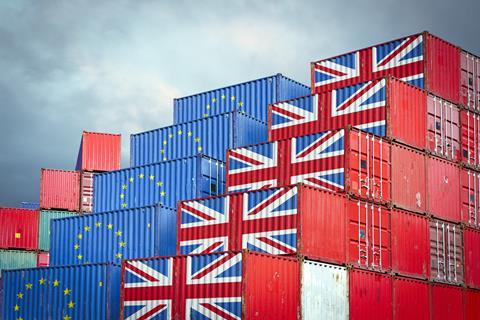
Since 2018, exports of food and agricultural products to the EU have fallen by 22% – costing the sector nearly £4bn. Behind that statistic are real businesses: the Somerset cheesemaker seeing export trade has halved, the Welsh shellfish trader turning down orders because their catch isn’t fresh by the time the paperwork is done, the Scottish farmer who can no longer sell seed potatoes to customers they’ve supplied for decades.
This government was elected to change that and put British produce back on tables worldwide. And that’s what we’re doing.
We’re negotiating a new sanitary and phytosanitary agreement with the EU that will deliver frictionless trade with our closest neighbour and cut red tape.
For The Grocer’s readers, behind that headline figure are tangible benefits for businesses of every size. It means export health certificates at up to £200 per consignment will no longer be required. It means routine border checks on dairy, fish, eggs and red meat will be removed. It means fresh produce reaching supermarket shelves faster, supply chains becoming more resilient, and goods moving more smoothly between Great Britain and Northern Ireland for the first time since Brexit.
A new agreement
Smaller businesses stand to gain enormously. The complexity of current arrangements has hit SMEs hardest. Many have simply walked away from EU trade because the bureaucracy outweighed the benefit. This deal reopens that door.
We’re working toward a mid-2027 start date for the new agreement. We want businesses in the agrifood sector to start getting ready now. That timeline is ambitious, but the prize is worth the effort and preparation starts today. Since last May, we’ve been engaging with businesses and trade associations to understand how the new deal could affect them. Some businesses will require longer to adjust to the new arrangements, and we will work with them to ensure that every one, whatever their size or circumstances, has the time and support they need to adjust.
On Monday this week, we launched a formal call for information so we can keep hearing directly from across the agrifood sector – whether you currently export to the EU or not – about how government can best support you to make the most of this opportunity. We’ve also provided more detail on the scope of the agreement, and which sectors the deal will focus on to help all businesses understand and prepare for what’s ahead.
My ask to industry is straightforward: engage with us. Respond to the call for information, connect with your trade body, engage with your supply chain and make sure you’re signed up to follow Defra’s latest guidance. We will provide detailed guidance over the coming months to ensure every business is ready to benefit from day one.
British producers make outstanding products. They deserve a trading environment that rewards quality, not one that drowns it in paperwork. This deal will deliver that, and we want to build it with you.
Baroness (Susan) Hayman is minister for biosecurity, borders and animals




No comments yet