




The government’s new nutrient profiling model (NPM) sounds like the kind of policy detail you’d normally be tempted to skip. But it matters because it is the tool that, in law, decides what counts as “healthier” and “less healthy” food and drink, and therefore which products can be advertised to children, and how and where they can be promoted in shops.
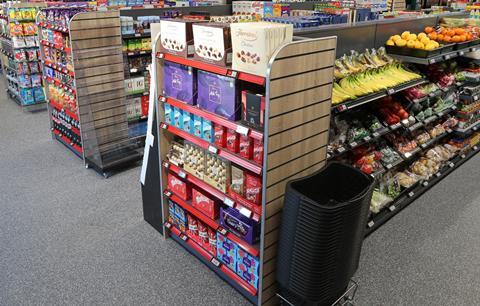
If implemented, it will shape what children see on TV before 9pm and online at any time, and what gets promoted for ‘impulse purchasing’ at supermarket checkouts. This is not a technical sideshow. It’s the commercial engine room of our food environment.
The new NPM is stricter than the one currently in place, and this matters because the current system is badly out of date. In simple terms, some products that currently pass as “healthier” would fail under modern criteria. And that is exactly the point. A modern policy designed to curb the marketing of less healthy foods should not rely on a scoring model more than 20 years old.
What’s more, this is not about banning treats. It’s about reducing the constant, high-frequency marketing and promotion of products that are out of step with healthy diets, especially for children. England’s child health indicators should make this urgency obvious: around 22% of five-year-olds already have tooth decay, and a similar proportion of children aged four to five are living with excess weight. Those are not niche problems. They are signals of a system failing early.
Tackling poor diets
Improving marketing, particularly to children, has long been recognised by the World Health Organization as an important part of the strategy to combat unhealthy eating and associated health conditions, including type 2 diabetes, heart disease and some cancers. We know poor diets cannot be tackled by information and education alone. Food marketing helps grow food sales and drive choices towards less healthy ones.
It has been recognised that the NPM needs updating since 2015, when the Scientific Advisory Committee on Nutrition (SACN) lowered dietary recommendations for sugars and increased those for fibre. They advised that intake of free sugars (those added to foods or released during processing) should, on average, be no more than 5% of dietary energy.
This effectively halved the recommended limit for sugar intake (down from 10%), and was based on evidence linking sugary foods and drinks to disease, higher overall calorie intake, and weight gain.
The proposed new NPM is broadly similar to the current NPM, except that ‘total sugars’ has been replaced by ‘free sugars’, and points allocated for fibre and sugars are aligned with the SACN 2015 recommendations. An allowance is also made for the sugar (lactose) naturally present in milk in dairy products, and there are also small changes for energy and sodium based on earlier SACN advice.
The change from total to added sugars means sugars naturally present in dairy products, fruits and vegetables are excluded, but for sugars added or released during processing, thresholds have been substantially tightened.
No model is perfect
This all means the new NPM will be able to classify food and drink more in alignment with dietary recommendations for sugars, fruits and vegetables and fibre than the previous model. Dairy products with no added sugars are also protected. Ultra-processed foods containing fruits and or vegetables will be captured when processing has added enough free sugars to meet the thresholds, and the food and drink particularly affected would be those high in sugar.
If tied to current promotion and advertising rules, it should cut the sales of less healthy foods and drinks, reducing the amount of sugar ending up in shopping baskets and, ultimately, in diets. It should also incentivise manufacturers to reformulate their biggest-selling products so they fall below the thresholds. That would be good for the health of British children now and throughout their lives.
Some companies will, of course, argue that the new model is too strict. Some will claim it is too complex, especially because free sugars are not displayed on current nutrition labels. But these are not reasons to delay. These are the reasons to implement properly. Businesses tightly control their products, so they have the recipe and ingredient information that enables free sugars to be calculated.
No model will be perfect. But a better model, aligned with evidence, is far better than continuing with an outdated one that misclassifies products and undermines the credibility of regulation.
It is also possible that the new NPM will be adopted internationally, as the current model already underpins front-of-pack labelling in other countries, including Europe (Nutriscore) and in Australia and New Zealand (Health Stars).
If we are serious about reversing childhood tooth decay and unhealthy weight, we need a policy that changes the food environment children grow up in, not just messages to parents once harm has already taken hold. Updating the NPM is one of the strongest levers the government has. It should be used now.
Dr Alison Tedstone is former chief nutritionist at Public Health England and the DHSC, and expert advisor to the Obesity Health Alliance




No comments yet