





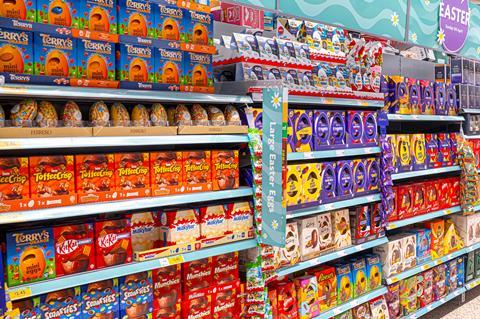
Supermarkets are running more promotions on Easter eggs this year than last – the first since the government ban on multibuys.
Two-thirds (67.1%) of the 963 Easter eggs on sale at Asda, Morrisons, Tesco, Sainsbury’s and Waitrose were on a promotion on Sunday 15 March, with three weeks to go until Easter, analysis of Assosia data by The Grocer shows. On the comparative Sunday last year, the same retailers were selling 56.6% of their 1,018 SKUs on promotion.
All retailers bar Asda have upped the number of deals across their range, with the biggest rise at Waitrose, which jumped from 39.2% to 63.2%, bringing it closer in line with peers.
Last year one in five Easter chocolate deals in the full-range supermarkets were multibuys, but these have been banned since October 2025 under rules to stop volume-based deals on HFSS products. Supermarkets have switched to price-cut promotions and ramped them up in store.
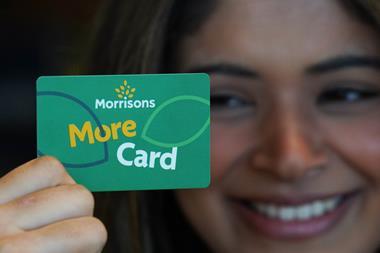
Morrisons, for example, last year offered a choice of 15 large Easter eggs including Bounty (177g) and Smarties (188g) for £4, or 3 for £9 for Morrisons More members. This year, the same products have a pre-promotional price of £4.50 but loyalty card members can buy them for £2.45 each.
Alastair Lockhart, insight director at shopper marketing agency Savvy, said. “While multibuys have historically been a key driver at Easter, particularly for shoppers buying beyond their immediate family, we’ve already seen retailers move away from these mechanics in recent years in favour of EDLP and price-led offers. With multibuys now restricted, it’s not surprising to see retailers further increasing price promotional activity to maintain value perception.”
Savvy’s own research shows that 79% of Easter shoppers believe they know where to find the best value eggs.
“With the cost of living still a concern, and fuel prices rising again, retailers know that sharp, visible value will be critical to winning,” Lockhart added.
Lockhart predicted that new HFSS advertising restrictions would be “unlikely to materially change” Easter egg purchasing. ”It’s a planned, seasonal mission, and the major brands have already adapted their creative by focusing on distinctive brand assets rather than product-led messaging and imagery to stay compliant,” he said.
Youth-led campaign group Bite Back said the findings were “shocking, but not surprising”.
Nika Pajda, head of policy & research, said: “Without decisive, comprehensive regulation, young people’s exposure to unhealthy food marketing will only intensify – undermining the government’s ambition to create the healthiest generation ever.”




No comments yet