



Food inflation slowed in November as retailers staged promotions across a range of categories, according to the BRC.
The rate eased to 3% year on year, down from 3.7% in October.
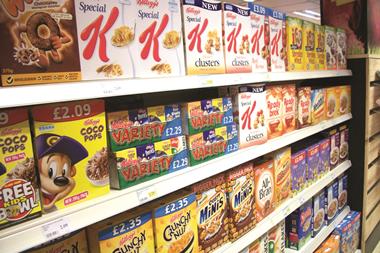
“While food price inflation remains elevated, widespread promotions meant price rises eased over the month, especially in dairy, fruit, breads, and cereals,” said BRC CEO Helen Dickinson.
The easing is despite inflation remaining “stubbornly high for oils and fats, and meat and fish, as climbing input costs passed through from producers”.
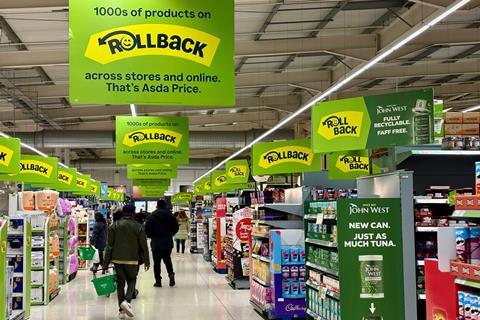
Asda cut prices of about 1,000 grocery lines in October, fuelling a price war in which rivals have been fighting back with promotional activity. In the week to 3 November, Sainsbury’s made 3,529 price cuts, Waitrose 1,805, Tesco 1,764 and Morrisons 1,203, as recently revealed by The Grocer.
The latest BRC-NIQ Shop Price Monitor showed fresh food inflation slowed to 3.6% year on year in November, down from 4.3% in October.
Ambient food inflation decreased to 2.4%, from October’s 2.9% in October.
Non-food fell further into deflation, at –0.6% in November versus –0.4% the previous month, as Black Friday deals began early. It helped ease overall shop price inflation to 0.6%, down from 1% in October.
Read more: Supermarket price wars: how are rivals answering Asda’s cuts?
“Black Friday deals began earlier than normal as competition between retailers hit fever pitch,” said Dickinson. “Savvy shoppers picked up some great deals across health & beauty, electricals and fashion.
“With budget uncertainty behind us, retailers are hoping that consumer confidence rebounds in this crucial trading period and they will continue doing everything they can to keep prices down and help customers’ money go further this Christmas.
“Headwinds in the new year include rising employment costs which are likely to filter through to prices. This could shake already weak consumer confidence and present further challenges for consumers in the year ahead.”
NIQ head of retailer and business insight Mike Watkins said: “It’s good news for shoppers that price increases are slowing but inflationary pressures still remain, in particular within food.
“The UK retail market is very competitive so retailers will need to keep any price increases as low as possible in the run-up to Christmas, in order to entice shoppers to spend.”






No comments yet