

As GLP-1 use climbs and ‘fibremaxxing’ takes hold, shoppers are scrutinising nutrition like never before — and for US brands, that spells a wave of high-protein, high-fibre NPD opportunity.
One of the most successful public health messages issued by the UK government concerned lower-fat milk. Promoted heavily from the late 1990s onwards, consumers were encouraged to cut their saturated fat intake by switching from whole milk to semi-skimmed or skimmed. The public responded, and sales of the lower-fat alternatives overtook whole milk. Why? Because the message was easy to understand. British households still buy significantly more lower-fat milk than whole milk today.
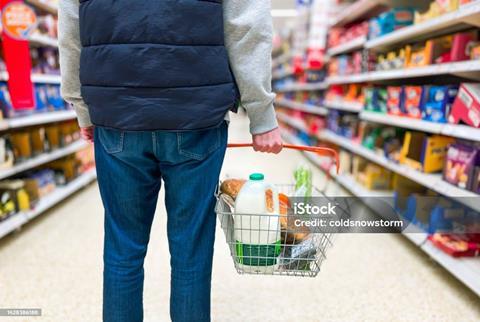
Other nutrition messages have fallen on deaf ears. One currently under debate is the push to eat more fibre — though the argument is over delivery, not the advice itself. The trending term for eating more fibre, currently storming TikTok, is ‘fibremaxxing’. The government considers the descriptor ‘faecal bulk’ appropriate, and one that will get things moving. Retailers including Marks & Spencer are urging it to adopt more palatable language. The boredom of a checkout queue is often relieved by a spot of basket-watching — we all do it, and we all make judgments. Who would feel at ease knowing their faecal bulk was up for public scrutiny?
Falling short on fibre
Compare British and American fibre intake and a similar picture emerges: comparable targets, and both populations falling well short. In the UK, adults eat an average of only 16g to 19g of fibre a day, meaning roughly 96% fall short of the official target. The NHS recommends 30g daily for adults, or 15g for children. In the US, the Department of Agriculture recommends 28g to 38g depending on age and sex, while average intake sits at around 10g to 15g.
The GLP-1 effect
Consumers in both markets have embraced GLP-1 medications to help manage excess weight. For some, the prospect of injections was a deterrent, but with a pill form now available, usage is set to climb. Many see this as lifelong use, and much of the medical profession suspects the same. GLP-1 brings an added dimension: a sharper consumer focus on nutrition, and it is growing.
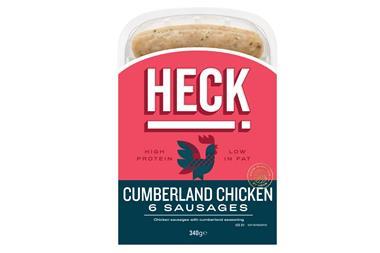
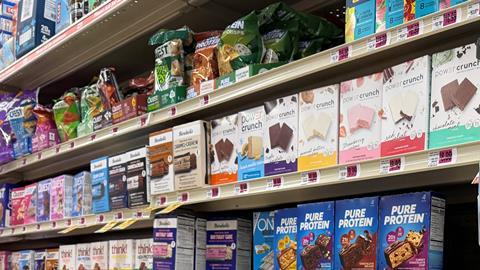
New product development (NPD) teams on both sides of the pond are alive to the opportunity. High-protein options are seeing strong uptake in the US and UK alike. In the US in particular, the sheer breadth of choice stands out: soft drinks, coffees and snacks with boosted protein, whole ranges built around protein content, and supermarket aisles devoted to high-protein lines alone.
Additionally, in the US, GLP-1 medications are widely available through the healthcare system, though provision varies and some insurers restrict cover. The UK has a similar setup: the NHS prescribes, but rollout is limited, meaning around 90% to 95% of UK users source their supplies privately or out of pocket rather than through the NHS.
When formulating foods for GLP-1 users, there are key points to weigh. Appetite suppression means users feel full sooner, so smaller portions make sense. Snacks remain on the menu as a treat, but should deliver protein, fibre and essential nutrients to keep those levels up. Foods that transit slowly, easing digestion, support the feeling of fullness for longer.
Key nutritional focus areas are:
- High protein: to help prevent lean muscle loss during rapid weight reduction.
- High fibre/fibremaxxing: to support gastrointestinal transit.
- Smaller portions: scaled to suppressed appetites, typically 100g-250g formats.
Also on the GLP-1 shopper’s radar are nutrient-dense, minimally processed ranges that help make up for nutrients lost through eating less, along with foods low in added sugar.
Food Export USA (Northeast and Food Export USA): Midwest host buyers’ missions for buyers and importers seeking inspiration and new products from American brands. These align with leading US trade shows, and the list of hosted missions for the new year will be available soon. Any new-to-market product in an importer’s portfolio may also qualify for Branded Programme funds — a 50-50 arrangement that halves promotional costs
To take part in a mission, contact Anne Dettmer, in-market representative, Food Export USA, at artisannes@aol.com or visit www.foodexport.org