



The government is planning to massively ratchet up the new junk food advertising ban and the previously introduced promotions clampdown in supermarkets, under Wes Streeting’s moves to tackle the obesity crisis, The Grocer can reveal.
New documents published by the DHSC reveal ministers are planning to switch to an updated nutrient profiling model (NPM), which will bring thousands more products under the bans.
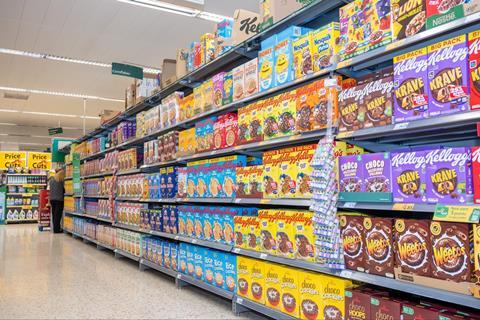
Swathes of products including cereals, fruit juices, yoghurts and smoothies are expected to be among those no longer able to advertise or promote their products in store in prime locations.
The revised NPM was first published in 2018, but shelved by the last government because of the enormous impact its introduction would have on the food industry.
However, Labour said moving to the new scoring system would result in more than a million fewer cases of obesity.
Reduced calorie intake
It said its analysis suggested that applying the updated model to the 9pm TV watershed and online ban for HFSS products, and the bans on promotions in prominent locations, could reduce calorie intake by up to an additional 30% versus the current model.
That would be the equivalent of reducing cases of childhood obesity by up to 170,000 and adult obesity by up to 940,000.
“A calorie reduction of this scale translates into reducing obesity prevalence by up to two percentage points,” says the document, which states: “The plan intends to update the standards underpinning current advertising and promotion restrictions by moving to the new nutrient profiling model to determine the nutrient content of food and non-alcoholic drinks.”
The Grocer revealed last month that the government planned to publish a massively delayed response from the department to the 2018 NPM proposals, by the now defunct Public Health England, in the new year.
The government said applying the proposed 2018 NPM to the child-focused advertising restrictions and promotions restrictions policies could help to further reduce disparities in childhood obesity. There was evidence that some children in deprived areas were exposed to more HFSS advertising than children in more affluent areas, it added.
“Applying the new model would bring more products in scope of the restrictions, further reducing children’s exposure to less healthy products of concern for childhood obesity, strengthening the impact of existing policies,” it said. “As with the existing policies, it would also have significant spillover benefits for adults.”
Industry warns of ’carnage’
However, the intention to press ahead with the switch to the new system will undoubtedly be met with fury from the food industry, with its leaders having warned of “carnage” for companies hit by the government’s moving of the goalposts.
The DHSC plans also reveal the government is to introduce new health food targets for the largest food businesses, claiming that the move will reduce cases of adult obesity by two million.
The impact assessment cites external modelling by health nudge body Nesta, which estimates that setting an “ambitious” target, to elevate the sales-weighted average converted NPM score to 69 or less (up from the current average of 67), could lead to a calorie reduction of up to 50 kcal per person per day across the population, and up to 80 kcal in those living with overweight and obesity.
While the impact of the target could vary depending on the level at which it is set, it could reduce obesity prevalence by around four percentage points – the equivalent to reducing cases of adult obesity by two million and childhood obesity by 340,000, the document adds.
The document also confirms that it will be down to industrial business to decide how to hit the targets, with the DHSC having previously said it would look to phase out the promotions ban and the ban on multibuys, including bogofs, if it can show the targets can be hit in other ways.
“Businesses will have flexibility in how to achieve a target, for example through reformulation, changes to shop layouts or customer incentives,” adds the document.
A Department of Health and Social Care spokesperson said:
“We were clear in the 10 Year Health Plan the current Nutrient Profiling Model – used to define less healthy foods – is out of date. Early estimates suggest using an updated version could reduce childhood obesity cases by 170,000.
“No decision has been made about how the model may be applied to policies such as junk food advertising restrictions and volume price promotions.
“We will publish the model in due course and will consult fully including with industry on any potential application to our policies on tackling childhood obesity.”
Today’s news comes after The Grocer revealed in September that Streeting had said supermarkets would ”do what they think will work” in the fight against obesity under the new system of new mandatory health reporting and targets.





1 Readers' comment