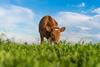
grass farm cow

Grass underpins the majority of UK farmland, yet it barely features in our national food conversations. It’s time we finally talked about the green stuff that truly keeps the nation nourished.

Matcha might be the latest grass‑green health trend, but it is far from the most important. While explaining the role of grass to a high school class in a deprived area, one boy raised his hand and asked, entirely seriously: “Is this the stuff you smoke?” It was a striking reminder of how detached many people are from the basics of our food system, and how urgently we need to reset our understanding of where food really begins.

When most people picture the food filling UK supermarket shelves, they think of fresh produce, cereals or protein. Very few think of grass. Yet grass, and especially grass and clover fields, quietly drive some of the most important outcomes our food system relies on: stable supply, healthy soils, reduced reliance on bought‑in inputs, and resilience in the face of market or weather volatility.

Grass is not a sideshow

Representing the UK Youth Food and Farming Forum, and speaking as both a farm consultant and new entrant farmer, I believe grass and legumes deserve far more attention from the wider food sector.

I began farming livestock because it is the simplest and most effective way to rebuild soil fertility. Cattle and sheep provide dung – nature’s best fertiliser – while producing high-quality red meat and fibre. I outwinter them on grass silage and supplement with “approved stockfeed rejected vegetables” such as carrots and turnips, nutritious crops that do not meet supermarket specifications. Feeding these to livestock cuts waste, reduces reliance on processed feed and returns nutrients directly to the soil. It is a circular, low-cost fertility system that supports both land and animals.

Around two-thirds of UK agricultural land is grassland, including permanent pasture and rough grazing. In England, 39% is permanent grass and 8% temporary. In Scotland, grass covers about 75% of agricultural land. Wales and Northern Ireland are similarly shaped by pasture, topography and livestock. Grass is not a sideshow; it is the foundation of our farming system.

A biological reset

The practical value is clear. Retailers need consistent quality and supply to offer customers the same standard of products year-round. Processors need predictable quantities and timing so factories can run efficiently and meet contracts. Farmers need systems that are financially viable, because production must cover costs and provide a livelihood. Many of us are tired of essentially farming for free. Well-managed grass‑legume fields help deliver all three.

Legumes fix atmospheric nitrogen, reduce fertiliser needs and improve soil structure, which is critical at a time of volatile global input markets and tightening regulation.

Grass breaks remain one of the most effective non‑chemical tools for interrupting soil‑borne pests, diseases and weeds. In a typical arable rotation, following a cash crop like winter wheat with a one or two-year grass‑clover ley reduces fungal disease pressure, rebuilds organic matter and improves soil workability. It is a biological reset button.

Yet despite their importance, grass and legumes rarely feature in mainstream food discussions. They underpin soil health, nutrient cycling, biodiversity and the long-term stability of UK fruit, vegetable and livestock production. Are we truly utilising their potential?

Grazing stock can convert something humans cannot digest into nourishing food, building up resilient soils at the same time. Our grazers are not relics of the past; they are central to our future. So next time you pass a grass field, take a moment to appreciate it. Whether grazed by livestock or quietly growing between rotations, it is playing a vital role in your food system, building soils, cycling nutrients and supporting the production of the food we rely on every day.


Jack Munro is a farmer and part of the UK Youth Food and Farming Forum