




There was only really one story this week: the heat.
As the UK sweltered through what has now been confirmed as the hottest June on record, the grocery industry felt the strain at every stage. Trains stalled, schools shut, and – predictably – supermarket fridges and freezers began to falter as the soaring temperatures took hold.
But despite all this disruption, there are some winners, as a period of hot weather can be a powerful sales driver. NIQ data shows a 4.6% year-on-year uplift in supermarket sales during the four weeks to 13 June – welcome news for grocery, and particularly Britain’s booze suppliers, who have suffered more than most in recent years.
Reasons to be cheerful
Contrary to the government’s health advice on surviving a heatwave, The Grocer has gone all-in on alcohol this week.
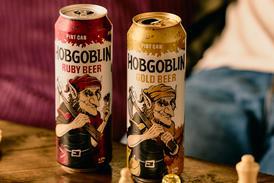
Few categories need the boost more, as our annual Britain’s Biggest Alcohol Brands Report shows. Britain’s biggest alcohol brands have shed nearly £100m in value sales over the past year, battered by rising costs, tightening regulation and a more health-conscious consumer.
However, there are still reasons for optimism, thanks to growth categories such as fruit beer and canned cocktails, with opportunities for suppliers willing to rethink format and positioning. Those that have adapted are already reaping the rewards – yes, BuzzBallz, we’re looking at you. Initially dismissed as little more than a novelty, the brand is now worth £81.8m.
The old guard ignore this shift at their peril; brands must continue to adapt if they want to earn their place in shoppers’ baskets.
That point was echoed in drinks editor James Beeson’s interview with Drinkaware CEO Karen Tyrell. As the organisation set out its new five-year strategy to reduce alcohol harm, Tyrell stressed Drinkaware is “not a trade organisation”, in place to prop up suppliers. The pressure for reinvention sits squarely with the industry itself.
Co-op’s revolving door
Elsewhere in grocery, the biggest bombshell came from the Co-op, as the revolving door that the mutual has become keeps on spinning, with ex Food MD Matt Hood one of three senior figures set to depart. Hood had only recently been charged with setting up a new 3PL group commercial and logistics arm, devised to help grow sales.
The Co-op has been backfilling furiously to accommodate his departure but there’s no hiding the power vacuum that now exists at the top. The search for a CEO to replace Shirine Khoury-Haq (who left in April) is understood to be making little progress, while the Food MD role has now been vacant for nine months.
Other retail news this week has centred around a certain football tournament – while heat is one driver of short-term sales uplift, sport is another. Retailers have not been shy about making the most of the opportunity and it’s clearly paying off, with Asda reporting a 30% ‘surge’ in online orders being placed during the World Cup’s half-time and ‘hydration breaks’.
Brexit – a decade on
Away from the tills, though, the longer-term picture remains uncertain.
Exactly 10 years after the Brexit referendum, and in the week where Keir Starmer dramatically resigned, a damning report published by the Commons Business & Trade Committee slammed the government’s EU reset, claiming it lacks a “clear strategy”. The committee warned the government had failed to articulate a clear long-term vision for UK-EU relations, leaving businesses uncertain about what the much-vaunted reset really means.
While efforts to ease friction in agrifood trade have been welcomed, concerns remain over the extent to which UK businesses may be required to align. If that wasn’t already depressing enough, UK food and drink exports have fallen to a 10-year low, amid tariff pressures and intensifying global competition. For exporters, the outlook is bleak: as the FDF put it, “a storm is brewing”.
Against that backdrop, regulatory alignment on deforestation rules offered a rare note of clarity this week, with the UK set to mirror EU requirements. The move should reduce complexity for retailers, according to the BRC, while suppliers such as Daabon are leaning into these stricter standards, expanding existing access to sustainable palm oil.
Even in more stable categories, underlying pressures are clear. In bakery, Warburtons continues to outpace rivals, posting strong volume growth and rising profits as it enters its 150th year. Its success underlines the power of sustained innovation that is likely to be the blueprint for Allied Bakeries as it looks to revive Hovis following its takeover – with health-led innovation offering a potential route back to growth for a brand long-associated with strong nutritional credentials.
As always, this is just a snapshot of the brilliant journalism we’ve worked on this week. We haven’t even touched on the excellent analysis from deputy news editor Steve Farrell on why Aldi and Asda are currently the main supermarket laggards in terms of sales growth or senior reporter Alice Leader’s conversation with Parfetts MD Guy Swindell on the wholesaler’s plans for growth when it goes solo.
And Riverford Organic Farmers warning that the heatwave has highlighted fundamental vulnerabilities across the UK food system, saying businesses must look to improve resilience, rather than treating extreme weather as a series of isolated shocks. Which brings us rather neatly back to where we started.
And as ever, we’d love to hear what you think. Drop me a line at jacqui.parr@thegrocer.co.uk, and have a great weekend.


No comments yet