



A throwaway remark about pricing triggered some hugely sensationalist column inches this weekend.
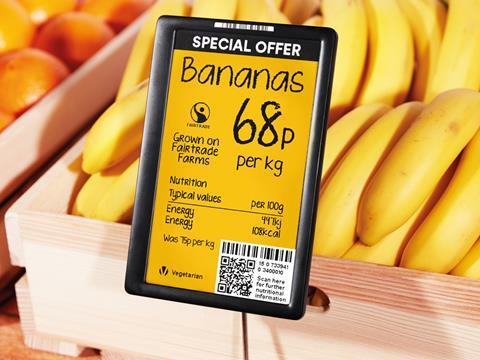
As part of a wider report on inflation, the Bank of England’s chief economist Clare Lombardelli spoke briefly about the rise of dynamic and personalised pricing. That glancing reference alone was enough to send parts of the national press into meltdown, as they latched onto electronic shelf labels as evidence of an impending consumer dystopia.
Never mind that ESLs are now a common sight across supermarkets and independents, or that no such move was actually ever proposed. Instead, cue hysterical headlines saying “supermarkets could introduce dreaded dynamic pricing”, calls for retailers to be “wiped out”, and wild speculation that a lunchtime Pret sandwich might soon cost more at noon than at 3pm.
The outrage machine
None of it was true, of course – with The Sun’s carefully placed “could” doing far more than its fair share of heavy lifting. But that didn’t stop the outrage machine from kicking into gear.
Here’s the sentence in that Bank of England report that started it all. “We are also seeing some sectors experimenting with technology that could enable dynamic pricing in the future, such as electronic shelf labels in supermarkets, which are already widespread in Europe.”
Dynamic pricing is, of course, the demand-based model where ticket prices for high-demand products or services fluctuate wildly in real time, often surging significantly during peak sales periods. Anyone that was suddenly faced with a £350 bill for a £135 Oasis ticket after queuing for hours will appreciate it is a hugely controversial sales model that is unlikely to translate well to the weekly shop.
But comparing supermarkets and their shoppers with Uber and Ticketmaster is ultimately ridiculous. Those businesses have a near monopoly on highly limited supply at a time of instant need or want. There is no online alternative and therefore not much to compare against. There is also no alternative option just a few minutes around the corner.
Even if supermarkets were tempted to try it out, they would be absolutely skewered by rivals and consumers would very quickly change where they shop.
Spoiler: Lombardelli concluded exactly that in her paper, noting that “these changes don’t seem to be leading to systematically higher or lower inflation, despite widespread use across some sectors”. Well, quite.
Pure fantasy
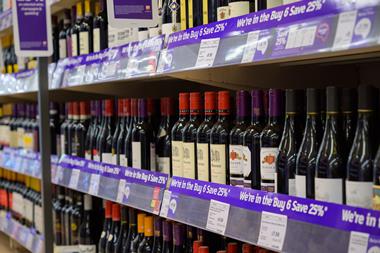
The true benefits of electronic shelf labels are, of course, much more prosaic.
“The real value of digital labels is it helps with what economists call menu costs – what does it cost for me as a business to change the price?” says Harvir Dillon, economist at the BRC.
The time it takes to reprint and replace thousands of prices and promotional data across large store estates cannot be underestimated.
“Surge pricing is not something supermarkets would entertain. More than anything, digital shelf-edge labels show businesses are trying to adapt quickly and nimbly to input costs,” Dillon adds.
“Supermarket shoppers are incredibly sophisticated – anyone engaging in surge pricing would be quickly sussed out.”
ESLs could actually bring prices down, as retailers work algorithms to drop prices on short-dated stock or price-match a competitor.
That’s where the benefit of ESLs in supermarkets both begins and ends.
Retailers are already using technology for personalised offers. Right now, Waitrose is trying to get me back in store by offering me 50p off my favourite fresh ravioli. What it’s not doing is quietly colluding with its competitors to collectively decide to charge more for ice cream when the temperature rises.
The Bank of England says we already have dynamic pricing to a certain extent, with weekly changes in around 45% of food, drink and tobacco businesses. But the idea of introducing hourly ‘surge’ pricing is pure fantasy.





No comments yet