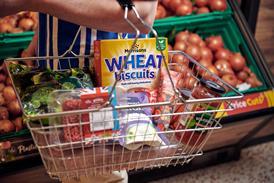
vacc packed meat - getty

Source: Getty Images

The amount of meat imported into the UK amounted to £5bn last year, a rise of 15% year on year

Co-op has raised concerns over the fragility of the British food supply chain after obtaining data from HMRC which revealed UK meat imports had risen sharply.

The amount of meat imported into the UK amounted to £5bn last year, a rise of 15% year on year.

In 2025 poultry was the most imported protein, worth over £2bn, with imports from Poland and the Netherlands accounting for the largest share.

However, poultry imports from Thailand saw a big increase, growing by nearly 50% on the previous year.

Co-op, which only sells and uses 100% British meat and poultry, says the findings highlight Britain’s increasing reliance on international supply chains for imported meats, which are at risk of weather challenges and global supply issues.

The Co-op warned ongoing shockwaves from the Iran conflict have exposed the deep interdependence and fragility of the complex supply chains that underpin our food system.

It has asserted that one model for success within agriculture is a co-operative, with recent estimates indicating there are 526 agricultural co-operatives in the UK, generating an income of over £9bn.

“Working collaboratively over the long term, the co-operative model supports responsible land stewardship, investment in sustainable farming practices, and the ability to adapt to environmental and climate challenges,” said Matt O’Hagan, technical director at ESG Drysdale, a co-operative business. “The structure gives farmers a real voice in how their produce is sold and valued, building trust, stability, and long-term confidence.

“That alignment allows us to plan effectively, maintain quality and manage the volatility that continues to challenge the wider sector.”

The retailer has argued that expanding agricultural co-operation is a critical underutilised lever for strengthening the resilience, productivity and sustainability of the agrifood system.

In response, the retailer is backing the Co-operative Party’s proposals that would grow farmer co-operation to strengthen Britain’s food system, by building its resilience and deliver a better deal for British farming. 

The new policy paper, Building Resilience: The Case for Co-operative Agriculture, sets out a three-pillar plan for government to champion, enable and scale agricultural cooperatives across the food system.

The Co-op argues there remains “substantial untapped potential to scale and deepen collaboration” which would improve market power, reduce costs and enable collective investment in infrastructure, innovation and sustainability.

“The issue of supply chain resilience is upon us now and there is a clear and demonstrable benefit to the co-operative business model in agriculture,” said Paul Gerrard, director of public affairs and campaigns. “An expansion of agricultural co-operation is both an economic opportunity and a political imperative: it directly addresses the need for a more secure and sustainable food system, one less exposed to the volatility of global markets, and the instability in a rapidly changing world.”