






Hotel Chocolat’s Island Growers programme is ‘gently’ providing a sweeter deal for cacao growers in St Lucia – and the insights are proving useful across its wider supply chain
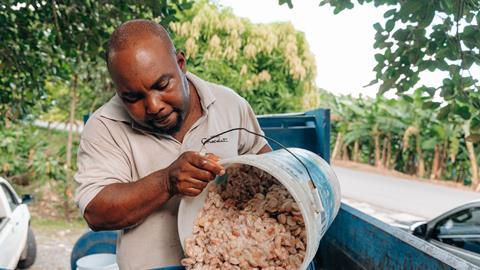
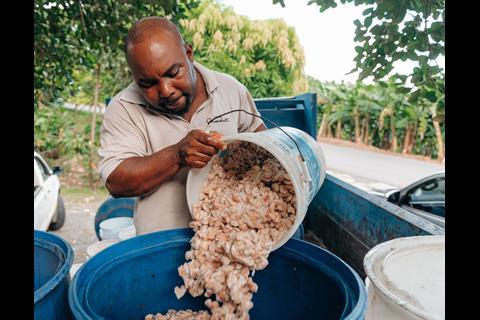
They come in ones and twos, to the sandy turnoff beside the rutted two-lane highway that is typical of St Lucia’s road network. Some carry their cacao in buckets, others in barrels on the back of a truck or in the dusty boot of a car. But whatever the size of their crop, the farmers know Hotel Chocolat will take it.
That’s because these farmers – around 50 of them in total – are part of the retailer’s Island Growers programme. Over two decades, it has been working to revive the Caribbean nation’s cacao industry by helping locals start farms of their own.
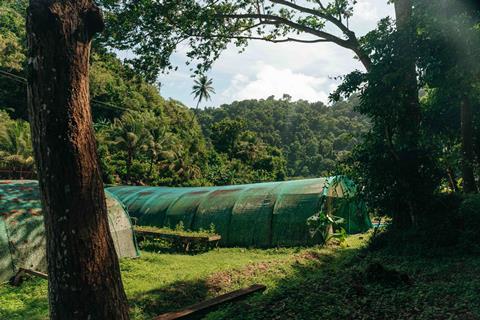
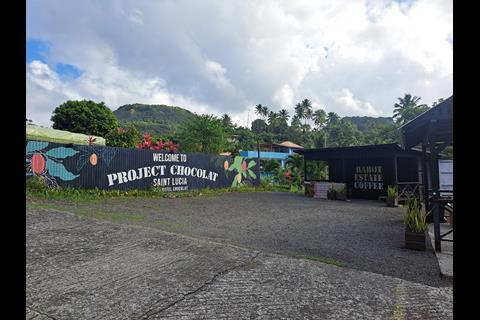
The scheme is run from Hotel Chocolat’s 140-acre Rabot Estate cacao farm in Soufrière, in the island’s south west. Despite also being home to the brand’s luxurious Rabot Hotel – yes, Hotel Chocolat does have its own hotel, which boasts a spa and infinity pool and can cost more than £1,000 a night – the estate plays a critical, yet lesser-known, role in the retailer’s global supply chain.
Firstly, it helps ensure the sustainability of the cacao industry in St Lucia. Many of the Island Growers are former banana farmers whose income was obliterated during the so-called “banana crisis” of the early 2000s.
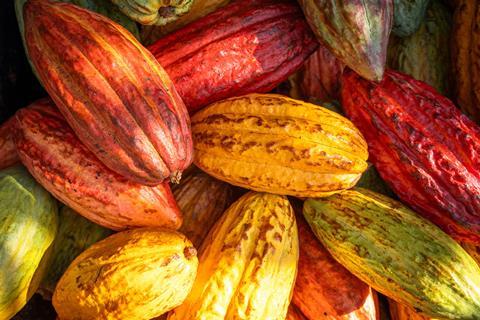
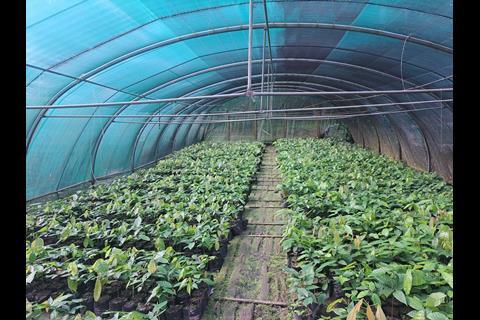
Hotel Chocolat helped those farmers transition into cacao by selling them cacao seedlings grown on the estate at subsidised prices (about two Eastern Caribbean dollars; equivalent to 55p).
The retailer then guarantees to buy any cocoa beans produced by its growers – at a premium that can be significantly more than the global market price.

‘I know I’m going to get paid’
For Roderick Clarke, who began cacao farming in 2010 after retiring from a career in insurance, a guaranteed market is critical. “I know I’m going to get paid, which is not always the case in St Lucia,” he says.
Buoyed by partnerships such as these, cacao farming is flourishing on the island. However, the relationship goes way “beyond just buying beans”, explains Emma Peacock, Hotel Chocolat’s global procurement director and Rabot Estate CEO.
To join, farmers must commit to following Hotel Chocolat’s “gentle” farming principles, which involves using agroforestry and organic methods to improve soil health and preserve the environment. In return, they get access to a programme of education and support aimed at helping them increase yields.
Farmers are taught about the importance of pruning cacao trees (which can increase yields by up to 20%) and how intercropping their farms with other crops like bananas and mangoes can offer another income stream, while boosting yields by providing shade.
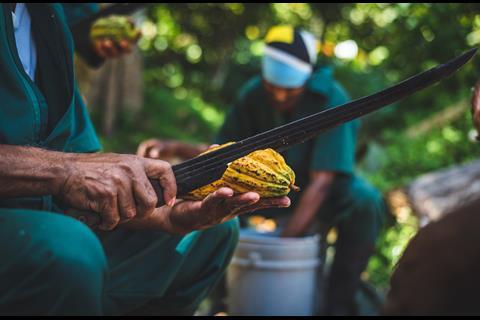
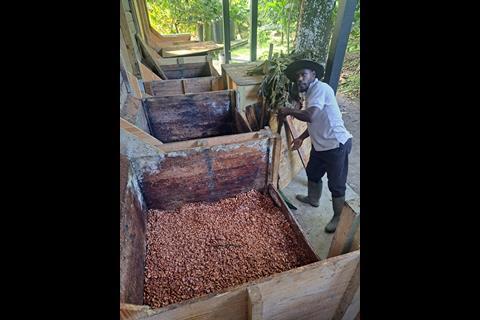
Hotel Chocolat also helps mitigate what is often St Lucian farmers’ biggest challenge – shortage of labour – by buying the beans “wet”. Rabot will ferment, dry and pack the beans at the estate, in a process that can take up to two weeks.

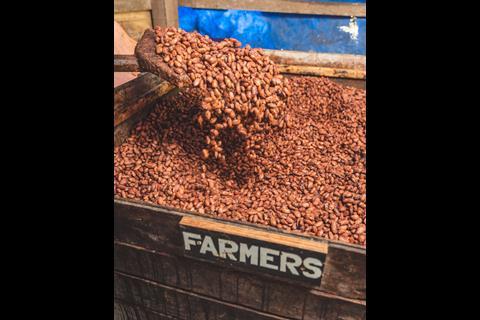
While St Lucia contributes “less than 1%” of the retailer’s global cacao supply, Rabot’s principles are starting to influence its wider supply chain, says Peacock. “Because we own our own farm here, we better understand the emotional side of what the farmer goes through, which helps us design more pioneering programmes,” Peacock says.
The insights gained at Rabot have proved crucial in encouraging farmers to adopt new techniques in Ghana, where Hotel Chocolat sources most of its cacao.
Buoyed by the positive outcomes of its organic practices in St Lucia, Hotel Chocolat has invested heavily to provide free organic fertiliser and shade seedlings to its network of Ghanaian growers. It’s also invested in a 300-strong team of full-time pruners on the ground to help those growers increase their yields.
Initiatives such as these are arguably more crucial than ever as the supply chain becomes more complex in the face of climate change.
“Globally, the farming model is not always one that’s great for the environment and it’s not always great for the farmer either,” Peacock says. “There’s lots of improvement to be made in both of those areas, but that’s the essence of what we’re trying to do.
“We’re trying to take a step every day to do a better job for both.”











No comments yet