


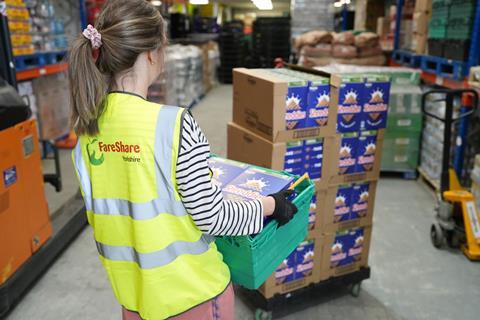
Close to five tonnes of edible food surplus from a Nestlé production line that otherwise would have ended up as animal feed has instead been sold for human consumption as part of a major AI food waste project.
The 4.8 tonnes of unavoidable edible surplus from the production line was sold to Company Shop Group and FareShare, meaning the fmcg giant was able to boost its revenue from the factories’ surplus 15-fold.
Over the 16-month project, a further 197 tonnes of food surplus – equivalent to 469,189 meals – from four Nestlé sites was matched with the real-time surplus demand and capacity of Company Shop Group and FareShare.
In total, the project successfully redistributed 201.9 tonnes of food – the equivalent of 480,529 meals – to charities.
The project – involving Nestlé UK&I, Zest (formerly The Wonki Collective), Bristol Superlight, FareShare, FuturePlus, Google Cloud and Howard Tenens logistics, all brought together by Sustainable Ventures – involved “connecting siloed data points using a Nestlé manufacturing line to map where exactly food waste and surplus is generated in real-time, and identifying actions to reduce and redistribute it” Zest said.
“We are realists; while some surplus in manufacturing is inevitable, leaving it unmanaged is a choice the industry can no longer afford to make,” said Dini McGrath, founder and CEO of Zest. “We were fortunate to find a partner in Nestlé who shares our vision for a more resilient food system, and with the support of the FDF and its members, we have de-risked a new-to-market solution that is already delivering results.”
“This project proves that eradicating waste is no longer just ‘the right thing to do’, it is a fundamental business imperative for any manufacturer looking to remain competitive in an increasingly margin-constrained market,” McGrath added.
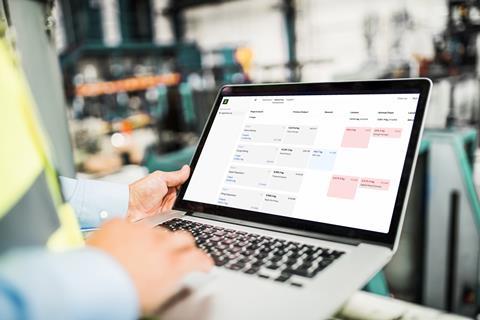
By applying “AI optimised algorithms”, Zest’s redistribution platform matched unavoidable edible surplus from Nestlé sites to Company Shop Group and FareShare, ultimately supporting an estimated 94,133 people across 787 charities and community groups.
The AI food waste project was funded through a £1.9m match-funded BridgeAI grant from Innovate UK.
“It’s been fantastic to be part of this pilot project which has helped us turn data into action and reduce food waste while strengthening our ability to redistribute surplus food to where it’s needed most,” said Claire Antoniou, head of end-to- end transformation, Nestlé UK & Ireland. “This exciting cross-industry initiative could go on to benefit a whole industry.”
Nestlé has long been working to reduce waste in its production. Another project with Zest reduced edible food waste by 87% at a single factory over a two-week period via several initiatives, for example turning Kit Kats that didn’t pass quality control into the praline in the middle of other bars.
“The collaboration between startups, corporates and charities in this project consortium demonstrated how Sustainable Ventures can de-risk piloting climate tech innovation in live business environments,” said Andrew Wordsworth, founder and CEO of Sustainable Ventures. ”Collaborative technology development can only lead to better outcomes, especially in relation to artificial intelligence, where pilots like this help to bring its use case to life.”


No comments yet