



Food companies are struggling to walk the talk with their animal welfare commitments, according to a new report.
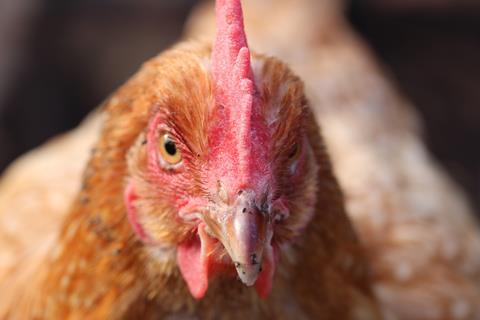
The Business Benchmark on Farm Animal Welfare (BBFAW) assessed the policies of 149 leading global food businesses to reveal only 17 (18%) had delivered on their cage-free egg promises despite 96 setting cage-free targets.
Although 71% of companies reported progress towards achieving cage-free (up from 67% in 2024), and 13% have pledged to phase out farrowing crates for sows, the organisation characterised the pace of implementation as “slow”.
“While many companies have set a course for a food system that is more compassionate, resilient and fit for the future, progress remains slow,” said BBFAW’s executive director Nicky Amos. “That puts not just farm animals at risk, but also consumers and investors.”
He added: “Leading companies’ efforts need to be backed by effective policy and market incentives that reward those businesses delivering higher standards of farm animal welfare.”
The BBFAW marked food businesses across six tiers and six impact ratings. They were assessed on their management commitment and policy; governance and management; leadership and innovation; and performance. Its findings were based on information published by companies on the date of their assessments, which were undertaken between October and November.
In terms of tiers, whilst eight moved up one, 11 fell by one. The 11 to fall were: Arla Foods, Campbell Soup Company, Danish Crown, Darden Restaurants, General Mills Inc, JD Wetherspoon, Migros-Genossenschafts-Bund, Premium Food Group, Sysco Corporation, Unilever NV and Woolworths Limited.
The number of companies with the lowest (F) impact rating fell for a third consecutive year, declining from 122 in 2024 to 120. Almost 90% received the two lowest ratings, however, indicating limited or no evidence of putting higher welfare commitments in place.
The three companies to record the highest impact rating (B) were Fonterra, M&S and Premier Foods.
Meanwhile, Asda, Aldi, Cranswick PLC, Hilton Food Group and LDC Groupe were the only ones to improve their rating from last year’s.
”Industrial agriculture has pushed natural systems to their limits, but by moving away from factory farming, companies can help restore soils, protect water, reduce antibiotic use, cut emissions, and support biodiversity,” said Compassion in World Farming global CEO Philip Lymbery.
UK stands out
The report found French and Brazilian businesses demonstrated the most improvement, but British companies were the best performing overall.
Greggs, M&S, Premier Foods and Waitrose were the only ones to achieve tier two status, showing animal welfare was “integral to business strategy”.
British firms likewise achieved an average score of 29% for their efforts to reduce their reliance on animal-sourced foods, compared to the global average of 11%.
Hilton Food Group, Waitrose and Greggs ranked the highest for producing protein transition products and policies as “a pathway to mitigate welfare, environmental and climate risk”, the report said.
The poorest performing companies were those from North America and the Asia-Pacific region. Nearly half of all companies in the Asia-Pacific have not published overarching animal welfare policies (43%), whilst North America posted the lowest scores of all regions on Farm Animal Welfare Performance Impact.
Highlighting the embattled Better Chicken Commitment, the report showed only four of its 39 signatories had met requirements for lower stocking densities, slower-growing breeds and humane slaughter.
“Consumers and investors increasingly expect food systems that treat animals with respect while protecting people and the planet,” said Four Paws chief programme officer Luciana D’Abramo. “The leaders in the benchmark demonstrate that this balance is achievable.”
She added: “There is no such thing as a sustainable food system without animal welfare – this means fewer farmed animals in better systems and a real shift to alternative proteins.”



No comments yet