





High-fibre claims are spreading rapidly beyond the cereal aisle as brands across multiple categories tap into growing consumer interest in gut health. With average UK fibre intake at 20g – well below the 30g daily recommendation – suppliers see a major opportunity to help shoppers bridge the ‘fibre gap’.
Stroll down any supermarket cereal aisle and you’d expect to see fibre claims abound. But it is hard to miss the latest nutrition buzzword’s rapid spread beyond bran and into bread, dairy, snacks and drinks.
From cereals and snack bars to yoghurts and functional drinks, high-fibre claims are appearing on packs at an unprecedented rate as brands rush to capitalise on growing consumer interest in gut health.
The shift reflects a broader change in how shoppers think about digestive wellbeing. While probiotics, kefir and fermented foods dominated the first wave of the gut health boom, fibre is increasingly emerging as the nutrient consumers are actively seeking out.
“We’re seeing a real shift in consumer understanding of fibre,” says Jon Walsh, co-founder and CEO of Bio&Me.
“Historically, fibre was largely associated with digestive regularity. Consumers are now increasingly ‘fibre aware’, asking broader questions around fibre content, as well as ingredient quality.”
Social media has helped accelerate the trend, particularly through the rise of ‘fibremaxxing’ content on TikTok and Instagram. But brands say the movement is being driven by something more fundamental: a growing understanding of the role fibre plays in supporting the gut microbiome.
Source of fibre
A claim that a food is a source of fibre, and any claim likely to have the same meaning for the consumer, may only be made where the product contains at least 3g of fibre per 100g or at least 1.5g of fibre per 100 kcal.
High fibre
A claim that a food is high in fibre, and any claim likely to have the same meaning for the consumer, may only be made where the product contains at least 6g of fibre per 100g or at least 3g of fibre per 100 kcal.
Source: Nutrition and health claims: guidance to compliance with regulation (EC) 1924/2006
Consumers are beginning to recognise that “diverse plant fibre plays a critical role in overall gut health, from feeding beneficial bacteria to supporting immunity, mood, and so much more,” says Walsh.
That message is increasingly resonating. At fibre shot brand Deeply, sales have more than doubled year on year since launch, reflecting what the business sees as a wider consumer shift.
“This isn’t a trend that’s just going to come and go,” says founder’s associate at Deeply, Charlie Comyns. “It’s something that people are realising that actually they need to sustain for their whole lifetime.”
The opportunity is substantial. government guidance recommends adults consume 30g of fibre per day, yet the average UK intake remains around 20g. Walsh describes this as a sizeable opportunity for retailers and manufacturers capable of helping consumers bridge the “fibre gap”.
As a result, fibre has become one of the most active areas of product development. However, some observers warn that shoppers may become more discerning as the market matures. Simply adding a fibre claim may not be enough. Increasingly, attention is turning towards fibre diversity, plant variety and products that deliver meaningful nutritional benefits rather than marketing-led credentials.
Convincing consumers that their product is worth becoming a daily habit is now a challenge these brands face as more start-ups sidle into the space alongside some of fmcg’s biggest names.
Let’s take a look at the brands getting a foot in the fibre door.
Brulo
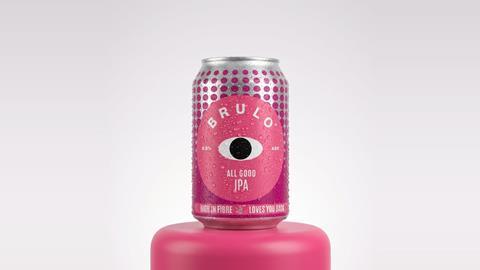
Scottish alcohol-free beer brand Brulo debuted a brew that delivers 5g of dietary fibre per can.
All Good IPA was “the world’s first beer to meet the official threshold for a high-in-fibre claim”, said Brulo.
The 0.5% abv brew, which has launched via DTC (rsp: £2.62/330ml) contains more fibre than a bowl of porridge, two slices of wholemeal toast, or a medium banana.
Tossed
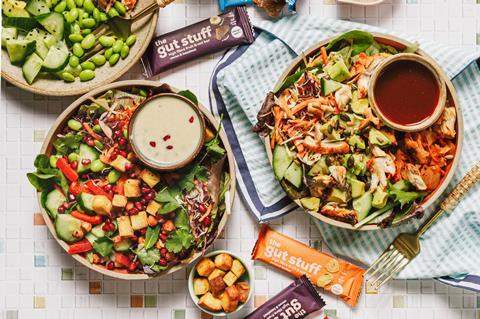
Food-to-go chain Tossed has launched its first Healthy Gut range, marking its “most functional menu to date”.
The new range features salads, protein bowls, drinks and snacks. It has been developed around fresh ingredients known for gut-friendly benefits, including prebiotics, probiotics, wholegrains, legumes, and fermented foods.
Highlights include a Probiotic Kimchi Super Salad with chicken or smoked tofu, avocado, kimchi, rainbow slaw, cucumber and omega-rich seeds.
Tossed will also be rolling out a Twelve veg Tofu Salad with smoked tofu, chickpeas spiced with harissa, edamame, peppers, and a cucumber, mint & pomegranate relish, alongside a Naked Poké bowl with smoked roast salmon, avocado, cucumber, edamame and black sesame seeds.
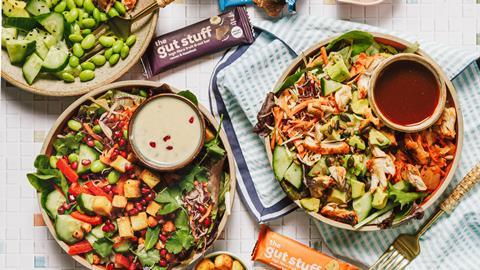
The chain is also launching grab-and-go offerings such as The Gut Stuff bars, which provide 10g of fibre in each bar, and Genie Kombucha, which promotes gut health and boosts the immune system.
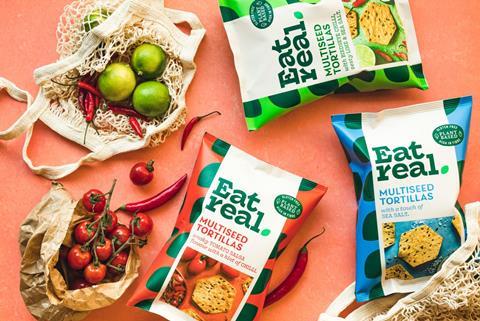
Eat Real Multiseed Tortillas
Following a “bold” overhaul of Eat Real’s pack design last April, Proper Snacks has expanded the range with Multiseed Tortillas (rsp: £2.75/160g).
The chips – designed to “elevate the dip-and-share occasion” – are made from corn, flaxseed, sunflower seeds and quinoa. As such, they are high in fibre and HFSS-compliant. Sharing bags in Sea Salt, Birdseye Chilli & Zesty Lime and Smoky Tomato Salsa & Chilli are in Morrisons and Tesco.
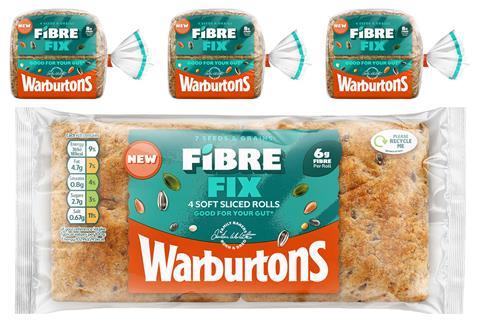
Warburtons Fibre Fix
In January, Warburtons unveiled Fibre Fix, a Bakery range aimed at shoppers seeking to boost their fibre intake.
Fibre Fix Loaf 500g (rsp: £1.85) and Fibre Fix Rolls (rsp: £1.75/4x74g) contain a “diverse” seed and grain blend, including brown linseed, red lentil, chia seed, sunflower seed, pumpkin seed, malted barley flour, hemp seed and wheat bran.
They also include added calcium, which helps contribute to the normal function of digestive enzymes.
An average 50g slice of Fibre Fix Loaf provides 4g fibre. Meanwhile, a 74g roll provides 6g fibre.

Lost Sheep
Lost Sheep coffee has extended its RTD iced coffee range with the launch of a decaf iced latte with added fibre.
Decaf Iced Latte with Fibre combines speciality-grade decaf coffee with skimmed milk and chicory root fibre for a “barista-quality iced latte that delivers quality, flavour and functionality”, according to Lost Sheep Coffee.
It will land via DTC, on Ocado, and in Southern Co-op and Cotswold Fayre next month (rsp: £2.35/250ml).
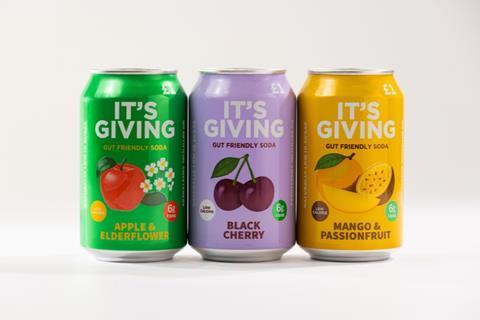
It’s Giving
The founder of Boost Drinks launched a soft drink in March seeking to “bring functional cues into the mainstream without compromising on taste, affordability or scale”.
Simon Gray has this week unveiled It’s Giving, a new “gut-friendly soda” containing 6g of plant-based fibre per can.
Cans in Apple & Elderflower, Black Cherry, and Mango & Passionfruit will roll out from 30 March via leading UK wholesalers and independent convenience stores (PMP: £1/330ml).
“Modern soda has taken off, but it’s often landed at premium prices, which limits how far it can travel in the real world,” Gray said. “As a nation we’ve never had more awareness about health, yet we’ve never been so unhealthy. The everyday wellness gap we face is what drew me back into the functional drinks category, giving me a new mission to help by providing a functional drink solution that can be an everyday choice.
“With It’s Giving, we’ve built a £1 PMP modern soda designed for everyday soft drink occasions: great taste first, with functional credibility as the supporting layer. It’s a proposition made to scale for consumers, for wholesalers, and for independent retailers.”
Gray said the choice of name for It’s Giving reflected “the modern choice of language amongst Gen Z”.

Seabrook
Seabrook has extended its Disney and Pixar co-branded range of licensed snacks with Disney Winnie the Pooh snacks, Honey Lentil Puffs and Cheesy Lentil Puffs.
The HFSS-compliant pair launch in Asda from 11 June, with a high-in-fibre claim.
“These snacks are family friendly, portion controlled and add some fun to snack time,” said Claire Hooper, group Marketing director at Calbee Group UK, owner of Seabrook.
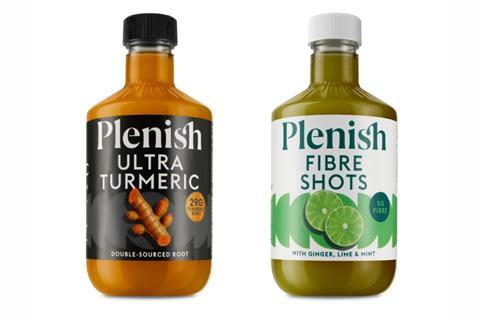
Plenish
Plenish added Fibre and Ultra Turmeric shots to tap functional health trends in April.
Dosing bottles of the new flavours have landed in Sainsbury’s stores (rsp: £5.95-£6.95/420ml), with Ultra Turmeric also available in a 60ml shot format (rsp: £2.30). Both are also available via DTC.
Fibre is made with cold-pressed ginger, lime and mint, and contains 5g of fibre – equivalent to 16% of the daily recommended intake for adults.

Nolo
Ready-to-drink coffee challenger Nolo launched in January with what it claims is the UK’s first decaf cold brew coffee with prebiotic benefits.
Cans in Classic and Caramel Swirl have rolled out via DTC, with the brand eyeing “premium retail, grocery, and speciality listings” in 2026 (rsp: £39.99/24x250ml). Both flavours are plant-based, dairy-free, and free from added sugar or sweeteners.
The drinks are made using 100% arabica coffee beans that are “gently water-decaffeinated and slowly cold brewed for a smooth, rich, complex flavour”, according to Nolo.
A dose of 6.75g of plant-based fibre is delivered by Nolo’s proprietary prebiotic blend of Jerusalem artichoke and citrus fibre.

Unrooted
Unrooted unveiled baobab-based sachets in April for use in smoothies, drinks and adding to snacks, listed on Amazon and Ocado.
The brand said baobab fruit was 50% fibre, which it claims is higher than any other fruit in the world and contains different types of soluble and insoluble fibres to help sustain energy, aid digestion, provide better satiety and improve gut health.
It points to searches on Ocado for fibre rocketing 57% year on year in 2025 as proof that consumers are on the lookout for new products to boost their fibre intake.







No comments yet