



We live in an era of ‘ingestion anxiety’ fuelled by constant warnings about the dangers lurking in our diets – whether that be villainous ingredients, the dreaded ultra-processing, or even hidden microplastics.
This anxiety has become elevated. Back in the 1990s, healthy living was embraced by those who followed weight-loss fads. Today, everyone feels pressure to ‘max out’ their wellness. This is being amplified by social media health influencers who peddle contradictory advice on the latest health hacks, pushing a narrative that big food and drink companies cannot be trusted.
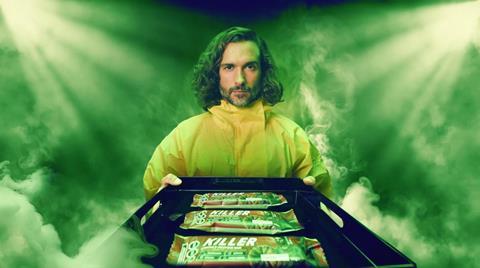
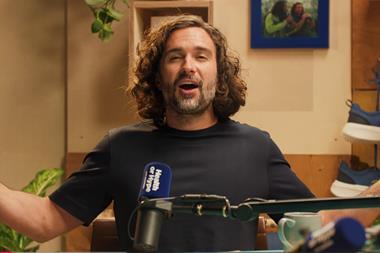
This means consumers are concerned about what they are ingesting. Mintel research shows 56% of adults worry about exposure to microplastics from plastic food packaging. Meanwhile, long-held concerns about villainous ingredients have morphed into a fear of ultra-processed foods (UPFs). Even before Joe Wicks unveiled his mock protein bar to highlight that snack bars are packed with artificial additives, Mintel found 85% of adults aware of the UPF media coverage were actively trying to avoid them.
Anxiety around food will only get worse
Many brands are hoping this issue will simply go away, but the spotlight is only getting brighter. Food and drink brands must take a clear stance, especially if they operate in categories strongly associated with UPFs, such as bread and snacks. Superloaf, for instance, explains that its processing packs its bread with ‘hidden (nutritional) superpowers’. Mintel research shows younger consumers are especially open to processed products if such benefits are made clear.
The rise of GLP-1 drugs has also ramped up consumer anxiety around weight management, heightening concerns about over-reliance on calorie-laden UPFs full of sugar, salt and fat.
Elsewhere, indulgent brands face the unenviable task of reformulating their products without compromising taste. For example, sugar-free Oreos took four years of development. Brands can also combine humour with transparency to sweeten the deal. Take Liquid Death’s recent ‘better-for-you’ energy drink launch in the US, which touts its ‘unextreme caffeine’ content.
Indulgent brands that fail to adapt will become relics of a pre-health-obsessed age. The success of alcohol-free beers would have seemed unthinkable 20 years ago, but, like the enormous success of zero-sugar carbonated soft drinks, it offers tangible evidence healthier reformulations can deliver significant sales growth. A decade from now, I predict no-one will be laughing at booming sales of zero-sugar biscuits, chocolate and sweets.
‘Ingestion anxiety’ is all around us and is accelerating. Successful brands will increase their pursuit of cleaner labels and lower-calorie solutions, highlighting how their processing comes with a purpose, such as added functionality. They will also avoid po-faced posturing and remember the maxim: laughter is the best medicine of all.
Jonny Forsyth is senior director of Mintel Food & Drink Research

No comments yet