





Although there is no guarantee the Middle East ceasefire will still be in place by the time this is published, Tuesday’s temporary pause in hostilities has unsurprisingly dominated much of the news cycle this week. Keeping up with the latest developments feels like a job in its own right, and with the food and drink sector already feeling the fallout, how much relief the 14-day ceasefire will actually bring to UK consumers and grocery businesses remains uncertain at best.
Earlier in the week, finance reporter Dominic Bernard reported that markets had briefly rallied following the deal – before confidence petered out again as Israeli strikes continued. There’s a great deal riding on the ceasefire, and it’s worth remembering the FDF’s 9% food inflation figure counted on hostilities coming to an end within the next week or so.
We’re just about within that timeframe, but things could still get pretty bad. While Grace Duncan explored the effect on UK farming, Kevin White revealed that experts are warning there will not be a “flick of the switch” return to pre-war trade flows, with supply chains expected to take months to return to – well, whatever normal looks like in 2026.
Cutting through the retail noise
One of the most-read stories this week was actually the continuation of a story from last week. Ronan Hegarty cut through the noise about Waitrose sacking a shopworker who tackled a shoplifter who was attempting to make off with a haul of Easter eggs. Have-a-go-heroes may be all well and good for columnists writing about ’Broken Britain’, but for those at the sharp edge of retail, safety for staff must be the absolute priority.
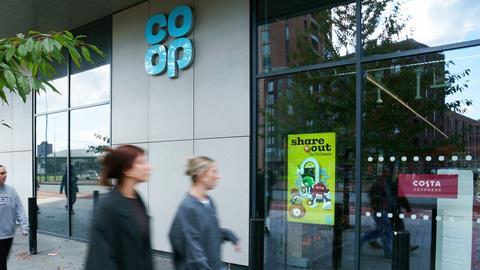
Further highlights from The Grocer retail desk team came from Alice Leader, who laid out the rationale behind the surprise news that Co-op Group is set to merge with the much smaller Southern Co-op. The plans for the landmark deal will have been laid long before last month’s departure of former CEO Shirine Khoury-Haq, but there’s no doubt it’s good timing.
Although it’s not entirely clear why the merger has been proposed, there have been suggestions that CEO at the significantly smaller Southern Co-op, Ben Stimson, could take the lead, leaning on previous retail experience from his time at Waitrose. And while smaller groups are often nervous of losing their independence, the proposed deal is a clear signal that both parties believe strength lies in numbers.
Tackling a topic particularly close to my heart (and that of approximately 51% of the UK population), Steve Farrell has taken a closer look at the main supermarkets’ efforts in closing the gender pay gap. He’s revealed the best and the worst of the bunch – with the latter saying it was “disappointed” to see its mean pay gap move in the wrong direction. If only it could do something about it?
The computers are taking over
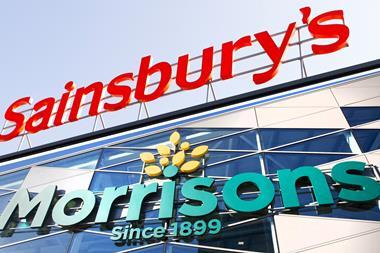
Imagine what would happen if a brand’s fiercest competitor could peruse all its sales, availability and pricing data for one of the UK’s biggest supermarkets? Sainsbury’s suppliers need wonder no longer, as George Nott revealed that’s exactly what happened earlier this week. A glitch in the supermarket’s supplier portal meant at least a week’s worth of data from its entire supplier base could be widely viewed and downloaded.
“Some users may have seen data they would not usually have access to,” said Circana, the tech firm behind the portal. You don’t say.
The relentless onward march of technology is not all bad, though. Tesco’s new in-app AI assistant, which launched this week, can tap into customers’ previous shopping history and preferences to inform a whole week’s worth of recipes, account for different dietary requirements, and select meals that use leftover ingredients in the fridge or cupboard.
It’s the latest move in the grocery sector’s cannonball jump into the potential of AI to improve the customer experience, as explored in depth in our feature last week, and it all happens via what Tesco describes as a “natural, two-way dialogue”. I remain slightly sceptical that consumers want to be told what to buy, but anything that genuinely saves people time and money is undoubtedly a good thing.
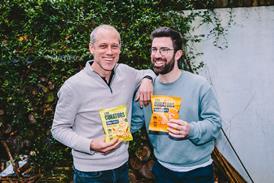
As always, this is just a snapshot of the brilliant journalism in this week’s issue and online. We haven’t even touched on Charles Elliman’s feature on the future of regenerative farming, Ed Devlin’s analysis of what a food-free Unilever looks like, or Sunneva Moore’s exclusive on the ex-Warburtons boss launching a healthier kids’ snacking brand, the latest piece of evidence that health is the overriding trend driving grocery innovation and NPD.
And as ever, we’d love to hear what you think. Drop me a line at jacqui@thegrocer.co.uk, and have a great weekend.



No comments yet