




Agricultural input inflation has risen to more than double that of general inflation, new data from Andersons has revealed.
The latest estimates from the farming consultancy have placed the rate at 8.4% annually, well ahead of CPI at 3.3% and CPI Food at 3.5%.
At the same time, prices for agricultural outputs have fallen 5.8% year on year, which it warned was “tightening the vice on farm profitability”.
“The divergent gap between rising input costs and falling output returns represents one of the most challenging margin environments UK farmers have faced in years and suggests that a ‘Cost of Farming Crisis’ is emerging,” it added.
The inflation is primarily being driven by the continued disruption linked to the Iran conflict and the threat this poses to shipping through the Strait of Hormuz.
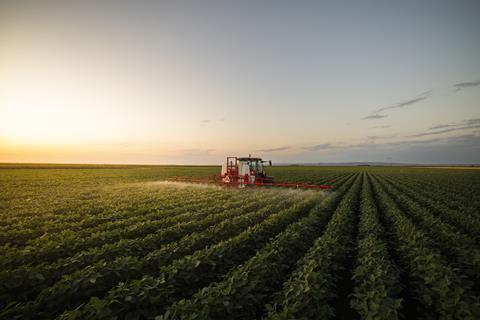
Key ingredients used in fertiliser including urea and ammonium nitrate are particularly impacted as prices soar.
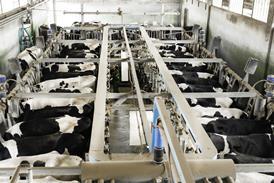
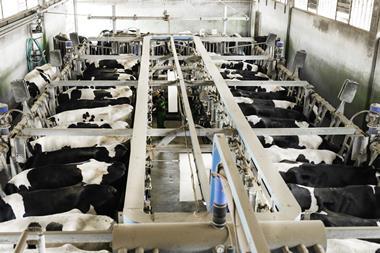
Andersons said dairy systems faced the most immediate exposure, with ongoing fertiliser demand running through spring and summer. It warned that fertiliser shortages more globally would start to have an impact on UK farmers in all sectors in the latter half of 2026.
The current situation is worsened by the absence of compensating uplift in output prices with milk prices now 25%, pig prices 12% and beef 10% lower than they were a year ago.
Cereal prices have improved, with wheat up 12% compared with 12 months ago, but farmers are concerned about yield given recent dry weather.
Last week, top and soft fruit growers warned significant cost increases could lead to a reduction in production.
Research commissioned by British Apples & Pears, from Andersons, indicated that unanticipated inflation since 1 March 2026 had already added £31.30 per tonne to the cost of growing UK gala apples this year, on top of the £32 per tonne inflation originally forecast.
This means total gala apple production costs are expected to rise by £63.30 per tonne in 2026, equivalent to 6.3p per kilo or a 4.5% increase overall.
A similar picture has been seen by berry growers, which have experienced, since 1 March, fertiliser costs up 35%, packaging up 17.5% and transport up 20% on average, according to data from Andersons.


No comments yet