






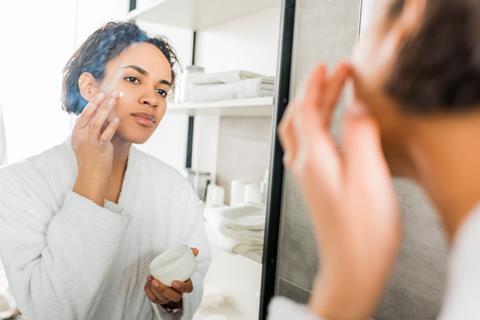
Skincare is having a glow-up. Together, male and female skincare have racked up an extra £69.1m over the past year. That’s nearly 70% of the £100.2m growth across the beauty and male grooming categories.
“Female and male skincare are both growing in value and volume, fuelled by the ingredient-focused trend and the popularity of K-beauty in female skincare, as well as the expanding skincare routines adopted by male consumers,” says Kevin Chen, senior analytics executive at NIQ.
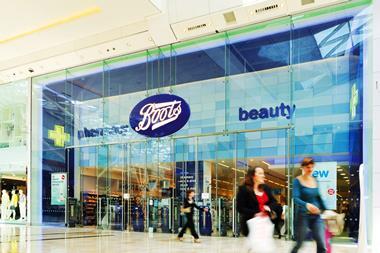
K-beauty, of course, refers to the seemingly unstoppable rise of Korean skincare trends, such as sheet masks and serums that promote a ‘glass skin’ look. One Korean skincare product sells every 30 seconds in Boots, according to its Beauty Trends Report 2025.
The retailer named #CBeauty, or Chinese beauty, as the natural successor to that throne. “Chinese Beauty totalled 1.2 billion views on TikTok in 2024,” the report reveals. “It is exploding onto the scene thanks to a 32.5% increase in beauty exports from China in the first half of 2024.”
The growing interest in international skincare has coincided with a rising focus on ingredients. Both are a sign of consumers valuing “science-backed solutions that are easy to follow and effective”, says Teresa Tan, founder of aesthetic & health clinic Tan & Co.
She names peptides, exosomes and kojic acid as ingredients that are increasingly capturing the public attention.
Demand is also growing for more run-of-the-mill claims, such as a high SPF. “Traditionally, the only time people would use an SPF product would be in suncream lotion and on holidays, but people have changed, and they want it more in everyday use,” says Ian Morley, VP of sales for P&G Northern Europe.
P&G jumped on that trend with the spring launch of Olay Vitamin C Brighten & Glow 3in1 Moisturiser Face Fluid SPF50+, which offers “lightweight, high protection” without stickiness or greasiness.
Olay is now worth £54.8m, while P&G stablemate Garnier is nearing the £100m mark.
By comparison, male skincare may seem like small fry. The entire market is worth just £75.4m. However, it’s delivering encouraging volume growth of 3.9%.
That’s a sign of men “refining their routines and looking for products that deliver more”, says male grooming brand Harry’s.
That more discerning approach has persisted even as inflation has taken its toll. “Shoppers are still seeking quality but at a great price, and this has seen them drawn to challenger brands that bring new innovation and energy into the category,” says Olly Walker, grooming expert at Harry’s.
As such, Harry’s is the only top five player in razors & blades and shaving preparations to be in value growth. Across both categories, the challenger has grown 4.1% to just over £17m.
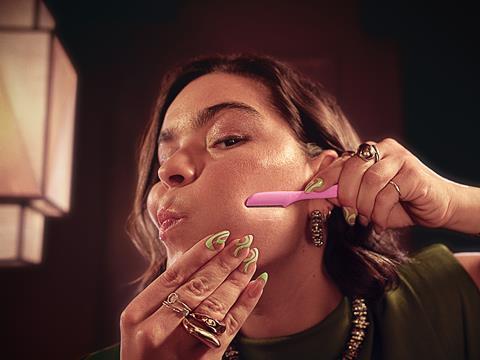
However, P&G’s Gillette brand remains the dominant force. It’s 15 times the size of Harry’s, with a value of £257.8m in the razors & blades and shaving prep markets.
It’s fighting an 8.1% volume decline in shaving preparations and 3.9% fall in razors & blades with innovation.
“In the last year, we’ve brought new blades with breakthrough lubrication technology, which helps bring an effortless shave in one stroke,” says P&G’s Morley.
“It comes as no surprise that Gillette continues to win trial and trust with consumers, with data from Worldpanel showing 92% loyalty amongst our blades and razors shoppers.”
By contrast, that loyalty is proving ever harder to come by in the cosmetics market. On the face of it, brands should be made up – sales have broken the £1bn barrier for the first time. However, volumes have dipped 0.4%. And as budgets tighten, consumers are shopping around more for the best deal.
High/low beauty
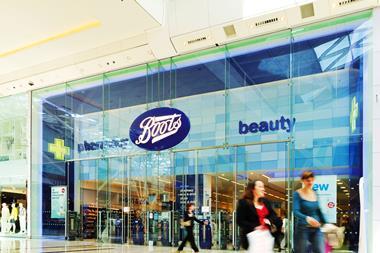
Boots names high/low beauty as one of the key trends in its Beauty Trends Report 2025. More than a third of Boots Advantage Card members shopped both budget-friendly and premium cosmetics in 2024, it reveals.
“Shoppers are blending products from both ends of the spectrum. Akin to fashionistas curating a capsule wardrobe, they are investing in trusted classics and luxury staples while experimenting with fleeting trends and affordable brands,” the retailer says.
That is exemplified by the products trending on TikTok. At the beginning of the year, Prada Beauty’s refillable lip balm – which retails at £39 for 3.8g – was doing the rounds.
Equally popular on the platform though was Rimmel’s Multi Tasker Jelly Crush (see Top Launch), which retails at a more affordable cost of £10.99 for 8.5g. For that price, shoppers get a cheek and lip tint with a “vibrant, juicy” finish, a look made popular by singer Sabrina Carpenter, who’s famously never seen without her trademark blush.
It may not be enough to turn the tide for cosmetics though. NIQ’s Chen says overall cosmetics sales are being dampened by “a rising trend toward more ‘natural’ looks”. As a result, he suggests skincare will continue to outpace cosmetics in the year ahead.
Seems like beauty might just be skin deep, after all.
Top Launch 2025
Rimmel Multi Tasker Jelly Crush | Coty
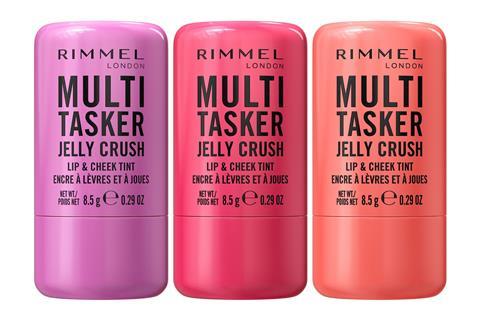
‘Jelly donut blush’ was named a viral TikTok trend by Glamour in 2024. It involves using just the right amount of jelly-like highlighter and blush to create perfectly highlighted, glowy – or ‘glazed’ – cheekbones. In January, Rimmel jumped on the trend with the launch of Multi Tasker Jelly Crush for both lips and cheeks. Available at just £10.99 for 8.5g in Superdrug, it plays perfectly into the rise in budget beauty. With those credentials, Rimmel might just have crushed it.
How the psychology of price hikes has played out on shelves

The unwelcome return of inflation has prompted a wide range of tactics. How have shoppers responded and what should brands do next?
- 1
- 2
- 3
- 4
- 5
- 6
- 7
- 8
- 9
- 10
- 11
- 12
- 13
- 14
- 15
- 16
- 17
- 18
- 19
- 20
- 21
- 22
- 23
- 24
- 25
- 26
- 27
- 28
- 29
 Currently
reading
Currently
reading
Personal care - beauty 2025: Brits switch cosmetics out for skincare
- 31
- 32
- 33
- 34
- 35
- 36
- 37
- 38
- 39
- 40
- 41
- 42
- 43
- 44
- 45
- 46




No comments yet