





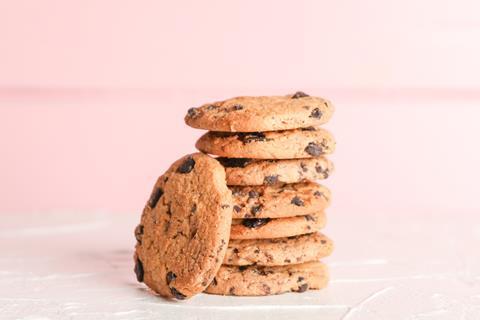
Japanese yuzu, Dubai chocolate and Jamaican ginger. Three of a tranche of global flavours to land in the cakes & biscuits category in the last year – which is fast becoming a hotbed of international, on-trend innovation.
In July, Fox’s became one of the first major biscuit brands to dabble in TikTok favourite Dubai chocolate. Its Chocolatey Dubai Style Pistachio Biscuits rolled into stores to tap “one of the biggest foodie trends” of the year (see Top Launch, below).
The other two came courtesy of McVitie’s. Its Jaffa Cakes Yuzu Lemon hit shelves in August, shortly after its ‘swicy’ (sweet and spicy) Hot Honey limited edition.
And that same month, McVitie’s owner Pladis announced its classic Jamaica Ginger cake range would be bolstered by a Ginger, Pineapple & Coconut line.
It’s all part of a masterplan by Pladis to tempt a younger demographic. “Younger adults are the most frequent consumers, and they show strong interest in limited edition products as well as novel and nostalgic flavours, reflecting opportunities in the category for innovation and premiumisation,” says Asli Ozen Turhan, CMO at Pladis UK&I.
The cakes & biscuits category could certainly do with leveraging that interest right now. Ambient cakes may have grown value 3.5%, but that’s been entirely price-driven: volumes are down 1.9%, or 3.8 million kilos. It’s a similar story in sweet biscuits, which are up 2.6% in value but down 3.5% in volume, or 17.1 million kilos.
“The surge in cocoa prices, combined with cost of living pressures, has resulted in reduced demand and shifted the category towards smaller pack sizes and more affordable options,” says NIQ senior analytics executive Ayushi Tewari.
Certain brands have bucked the trend. Fox’s delivered volume growth of 2%. And Kit Kat enjoyed a 3.9% rise in kilos.
But that’s down to something more fundamental than trending flavours, NIQ’s Tewari believes. “Brands that managed to balance price increases have retained volume and grown in value,” she says.
However, Fox’s Burton’s Companies (FBC) – which houses the Fox’s, Thomas Fudge’s and Maryland brands – is keen to dispel talk of a race to the bottom. “As consumers cut back on out-of-home dining, they are seeking affordable luxuries in the snacking aisle,” says David Hebson, the supplier’s trade marketing director. “This has driven premium biscuits into growth.”
As proof, he points to the performance of premium fudge brand Thomas Fudge’s, its “fastest-growing brand” with growth of over 200% year on year.
FBC isn’t the only one enjoying success with premium lines. Mondelez’s Lu biscuit range – which has been redesigned to “highlight its premium quality and French heritage” – has grown value and volumes by 12.1% and 12.7% respectively.
“Consumers are increasingly looking for biscuits that meet their demand for indulgence and pampering,” says Susan Nash, trade communications manager at Mondelez.
New formats are another area of growth for sweet brands. Pladis launched its McVitie’s ice cream-inspired range into Iceland this summer. FBC unveiled its Party Rings Cake – its celebration cakes debut – in September.
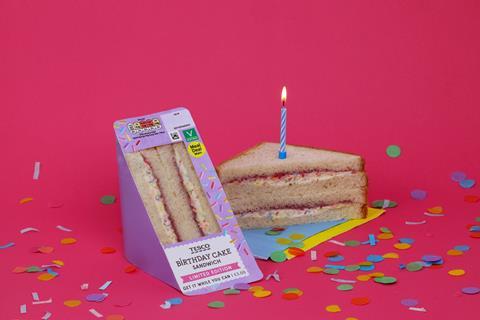
At Mr Kipling meanwhile, it’s been about convenience-led formats. Its Birthday Cake and Strawberry & Cream Tarts – “the first time these flavours have ever been in tart format” – have delivered £8.4m since their launch in January, says brand owner Premier Foods. Meanwhile, Mr Kipling Lunchbox Slices debuted in spring, to tap the rise in “carried-out cake moments”.
That appetite for convenient treats has helped to double sales of Mrs Crimbles Classic French Madeleines, which are individually wrapped to offer “convenience for on-the-go consumption”. The brand built on that with the launch of Lemon Madeleines in summer.
Bahlsen, meanwhile, unveiled its Messino Minis in May. The mini sponge cakes with an orange filling are “ideal for sharing on picnics or car journeys”, says the brand.
GLP-1s and HFSS
Still, there’s no denying the increasingly tough environment for indulgent treats. From January, the promotion of HFSS food and drink will be heavily restricted on TV and online platforms. That comes on top of the existing restrictions on the placement of HFSS products in stores.
At the same, the rise of GLP-1 drugs such as Ozempic and Mounjaro is fuelling concerns over the future of snacking. EY forecasts weight loss jabs “may significantly slow growth in traditional food categories, especially snack food”.
Brands remain confident in the face of that threat. FBC says consumers “crave joy and comfort” in their everyday lives. “Treat and reward has been the fastest-growing need since the start of 2025, so we don’t expect this to go anywhere next year,” says Hebson.
Bahlsen believes the rise of weight loss jabs may even work to its advantage. “ At present there is a lack of robust data relating to the introduction of GLP-1s,” it says. “It is not unreasonable to expect that the consumer will exchange quantity for quality under these circumstances.”
Nevertheless, brands are hedging their bets with better-for-you options. Those Mr Kipling Lunchbox Slices are non-HFSS, for instance. Mondelez is catering to the “6% year-on-year increase in on-the-go shopper missions within healthier biscuits” by bolstering its Belvita range, which is high in fibre and wholegrains. In summer, FBC launched Maryland Delightfully Good cookies with 30% less sugar.
“While indulgence remains a key driver, there is a clear shift towards products that deliver balance, allowing shoppers to enjoy their favourite treats without the guilt,” says FBC’s Hebson. The supplier expects “the greatest growth to come from the better-for-you’ sector as consumers continue to prioritise health”.
Already, a shift is happening. The two fastest-growing sectors in the category are rice cakes and cereal bars, up 5.4% and 3.4% in volumes respectively. It’s no coincidence these markets are geared more towards health.
Rice cakes market leader Snack a Jacks, which trades heavily on its permissible cues, is up 4.4% in value and 3% in volume. Owner Pepsico clearly sees plenty of mileage in its proposition. In October, the supplier invested in revamping the brand, rolling out new-look polka dot packaging and an 80g ‘grazing’ format. It also added Lightly Salted Caramel to its Minis lineup, which carries an “85kcal per serving” claim on the front of pack.
In cereal bars, better-for-you brands are similarly leading the way. Trek and Nakd – both owned by Lotus Bakeries – are up 28.1% and 10.1% in value respectively.
Lotus believes the brands are hitting the mark with health-conscious consumers. “We’ve seen a clear shift away from traditional weight management products and towards positive health choices,” says Jo Agnew, Lotus marketing director for natural foods. “Weight management bars are down £5.1m year on year, while better-for-you options are surging ahead. Oat, granola and flapjack bars are up £17.3m, and fruit and nut bars are up £9.9m. That’s exactly where Trek and Nakd are thriving.”
If those propositions can be combined with added benefits such as protein, then all the better. “Protein continues to be a major focus: 28% of Brits say they’re increasing their protein intake – and with 4.1% of households now using GLP-1 drugs, people are looking for snacks that deliver real nutrition and lasting satisfaction,” adds Agnew. That insight prompted the launch of Trek Biscoff Protein Flapjack in February, quickly followed by the Trek High Protein Low Sugar range in May.
Crucially, Agnew stresses both innovations deliver on taste. Because if there’s one thing consumers won’t tolerate in cakes & biscuits, it’s treats that leaves tastebuds unsatisfied.
That’s exemplified by the most successful players in savoury biccies. Crosta Mollica is up more than 12% in both value and volumes. Peter’s Yard, which has won numerous The Grocer New Product & Packaging Awards for taste, has added more than a quarter to its value. Its volumes are up 24.4%.
The importance of taste appears to be hitting home with market leader Jacob’s too, which unveiled a trio of co-branded snacks with Frank’s RedHot sauce in summer.
Given the expanding role of exotic flavours in driving growth in the category, they could very well turn out to be red hot for sales.
Top Launch 2025
Fox’s Chocolatey Dubai Style | FBC UK
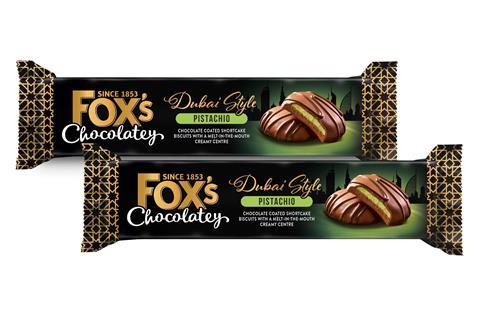
Dubai chocolate has been “one of the biggest foodie trends of the past year”, says FBC UK. So, to capitalise on the “millions of social media posts”, the supplier launched Chocolatey Dubai Style Pistachio (rsp: £2.65/130g) in July, chocolate shortcake biscuits with a pistachio cream centre, coated in milk chocolate. Having debuted in Tesco, the treats rolled out to Sainsbury’s, Morrisons and Waitrose in September. And they’ve been a hit, taking £1.3m in their first 12 weeks.
How the psychology of price hikes has played out on shelves

The unwelcome return of inflation has prompted a wide range of tactics. How have shoppers responded and what should brands do next?
- 1
- 2
- 3
- 4
- 5
- 6
- 7
- 8
 Currently
reading
Currently
reading
Biscuits & cakes 2025: Sweet treats tap global flavours
- 10
- 11
- 12
- 13
- 14
- 15
- 16
- 17
- 18
- 19
- 20
- 21
- 22
- 23
- 24
- 25
- 26
- 27
- 28
- 29
- 30
- 31
- 32
- 33
- 34
- 35
- 36
- 37
- 38
- 39
- 40
- 41
- 42
- 43
- 44
- 45
- 46



No comments yet