


Co-branding has evolved from novelty launches to a core grocery strategy. We explore why partnerships are proliferating, what makes them work, and profile the most attention-grabbing collaborations from Heinz x Morley’s to Cadbury x Biscoff.
In grocery, true love isn’t just a warm and fuzzy feeling. It is fiercely negotiated, contractually bound and judged by its ability to generate cold, hard cash. Yet for brands willing to share equity, co-branding can be a Valentine’s-worthy match made in heaven.
Once the preserve of occasional promotions or novelty launches, co-branding has become a core strategy – a way to refresh mature categories, borrow cultural relevance and unlock new consumption occasions. But while the upside can be powerful, a bad romance risks diluting your brand and ruining your reputation.
So why is co-branding becoming so much more prevalent? What goes into forming these partnerships? What are the risks? And who wins?
No brand better illustrates the rise of co-branding than Heinz, arguably grocery’s most prolific dater. In recent years, the sauces and beans giant has been busy partnering up across categories.
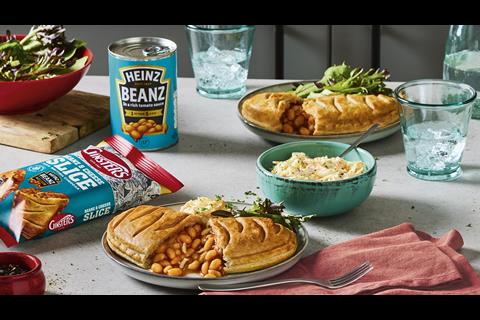
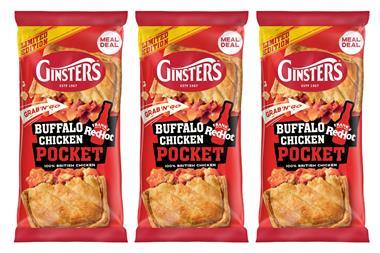
Among the most high-profile tie-ups is Heinz x Ginsters. Launched in 2025, the collab involved pairing Heinz Beanz with Ginsters’ savoury pastry to create filled slices. For Heinz, the logic is clear. Co-branding provides fresh ideas in categories where the fundamentals of the product rarely change.
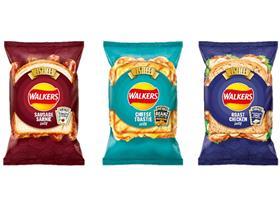
For its partners, Heinz can lend some of its powerhouse brand equity. “If you don’t know about Richmond sausages, suddenly you will know about Richmond sausages when they’re all over Heinz tins,” says Richard Pink, MD at Pink Key Licensing and former Kellogg’s promotions controller.
There are some risks involved. Take Heinz x Morley’s, a collaboration with a South London-centric chicken shop chain. While Morley’s is a cultural icon south of the River Thames, a bottle of Heinz x Morley’s sauce makes little sense to shoppers in Glasgow. So although the sauce proved successful, it could have fallen flat.
History’s great love stories
Still, the potential benefits tend to outweigh any downsides – which explains why it’s a long-used tool. One of the earliest examples of co-branding dates back some 25 years, when Kellogg’s partnered with Müller to create Müller Corner yoghurts with Crunchy Nut Corn Flakes, Coco Pops and Frosties.
At the time of the launch in 2001, yoghurt was emerging as an alternative to the hitherto undisputed breakfast dominance of cereal, Pink explains. So the collab was a classic defence move. “From Kellogg’s point of view, it was an opportunity to sell more cereal, but sell it in a way that addressed what they considered to be a competitor at the time.”
Kellogg’s wasn’t the only one making moves back then. Colman’s also lent its mustard flavour to Real Crisps and McCoy’s to create ham and Colman’s mustard-flavoured crisps in the early 2000s.
The difference between then and now is those deals used to be treated as one-offs. Today, they are a common blueprint. That shift has been driven by saturated categories, soaring marketing costs and the need to stand out in crowded aisles. Borrowing another brand’s equity can be a highly cost-effective marketing tool.
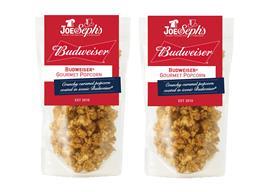
The overwhelming formula is for a smaller brand to partner with a bigger name. Coffee shop chain Grind says co-branding with the likes of BrewDog and Baileys has been central to its grocery expansion.
The results speak for themselves. Grind’s Baileys pods became its “most successful flavoured pod launch to date” and sold out within two weeks. CEO David Abrahamovitch believes it is an example of a truly successful partnership, which goes beyond just a product to encompass “shared values, complementary audiences and mutual benefit”.
For established brands, the appeal is different. Baileys, for example, uses co-branding to extend beyond the seasonal Christmas consumption and tap into younger, more trend-driven audiences that partners such as Grind can deliver.
Such an arrangement won’t be a sudden decision. Heavy lifting will go on behind the scenes before a brand marriage comes to pass. There will likely a product concept before lawyers, licensing and terms are finalised. Whoever makes the first move will likely lead that process initially. But the ultimate test is whether the collab makes sense for both parties. “The consumer only ever sees two brands working together. They don’t know how they’re working together,” says Pink.
And the consumer will ultimately judge whether it is a match made in heaven or hell. Here’s our list of top attention-grabbing collabs in fmcg.
Heinz x Morley’s
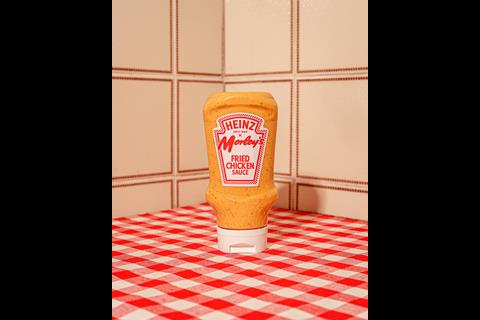
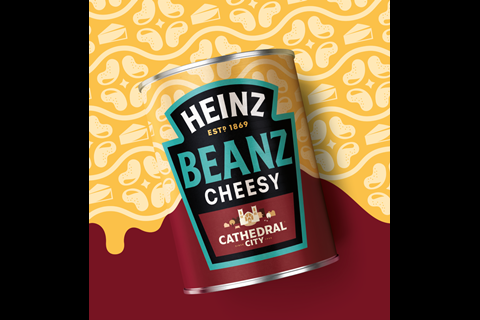
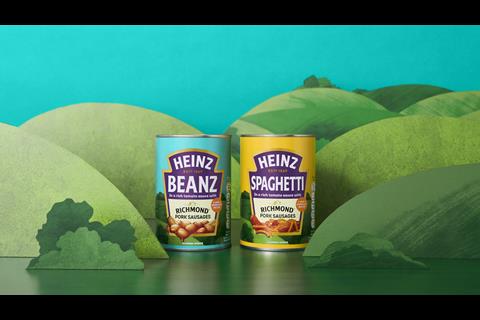
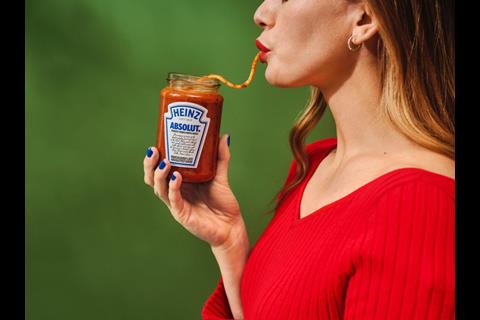
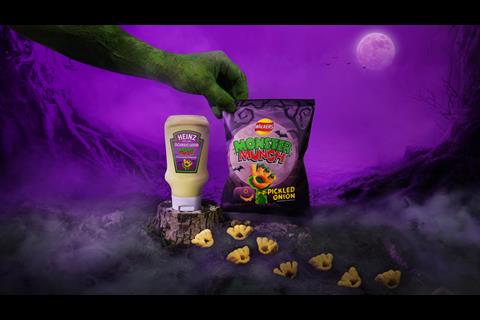
One of polygamous Heinz’s most interesting co-branding experiments is surely with the south London chicken shop chain Morley’s. Initially a limited-edition fried chicken sauce, Heinz sought to position its Morley’s collab as a premium offer with the unveiling of a pop-up restaurant at London’s The Standard hotel, which served fried chicken drumsticks topped with caviar. Something clearly worked, be it Morley’s loyal fanbase or the chicken sauce concept. Three years later, that ‘limited-edition’ is still going strong.
Higgidy x Guinness
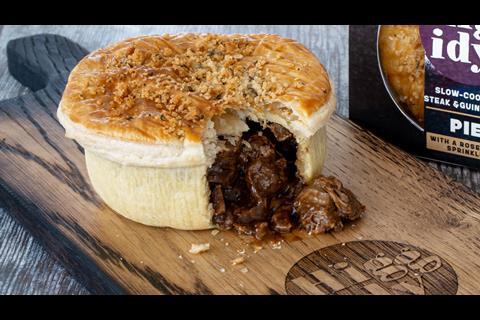
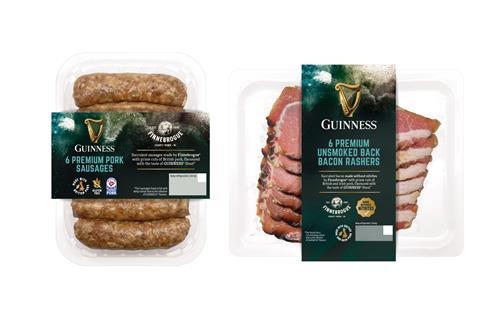
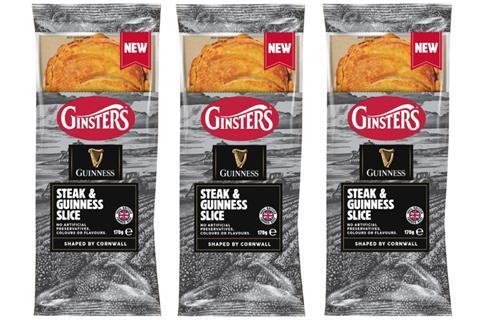
Launched in September 2025, Higgidy’s Slow-Cooked Steak & Guinness Pie is an open goal for both brands, taking the work out of a recipe many a consumer will have spent time putting together. The product marked Higgidy’s first major licensed collaboration. For Guinness, it came among a slew of partnerships aimed at creating “brand visibility” outside the booze aisle, according to Diageo licensing manager Declan Hassett at the time. “Creating that visibility for Guinness in other parts of the store was a key aim.”
Genius x Candy Kittens
In April 2025, free-from brand Genius Foods partnered with Candy Kittens to launch a gluten-free, vegan Rocky Road combining mini Candy Kittens Wild Strawberry sweets and Genius Foods gluten-free biscuit pieces. The two brands are owned by German confectionery specialist Katjes, making for an easier licensing process. The collaboration was positioned as a first-of-its-kind, free-from category collaboration delivering innovative sweet snacks for consumers seeking out gluten-free and/or plant-based SKUs.
Milka x Philadelphia
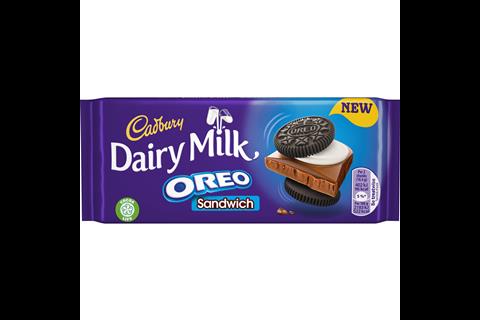
It was perhaps inevitable that Mondelez, owner of both Milka and Oreo, would cave into public desire for the bliss of cookies and creme in a chocolate bar. First unveiled in the US, the partnership has become so successful that it has expanded to multiple SKUs, including white chocolate, cookie, brownie and strawberry-flavoured Milka bars all including Oreo pieces. It was followed by a similarly successful collaboration between Oreo and another purple-wrapped Mondelez-owned chocolate brand, Cadbury. But before all of that, there was choccy Philly. What a time.
Schwartz x Pizza Express
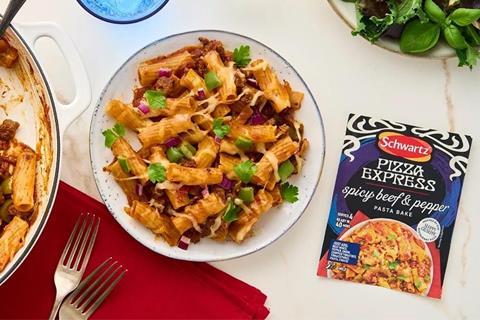
Schwartz has made co-branding a core part of its strategy. In addition to deals with restaurant chains Las Iguanas, The Real Greek and Bella Italia, it teamed up with TV chef Nadiya Hussain to launch kits and seasonings. But perhaps the best-known name in its stable of co-branded products is Pizza Express. Although Pizza Express is, obviously, best known for pizza, Schwartz spotted an opportunity to bring the essence of its pasta dishes into homes. Hence the launch of dishes such as Spicy Beef & Pepper Pasta Bake.
Pepsi x Captain Morgan
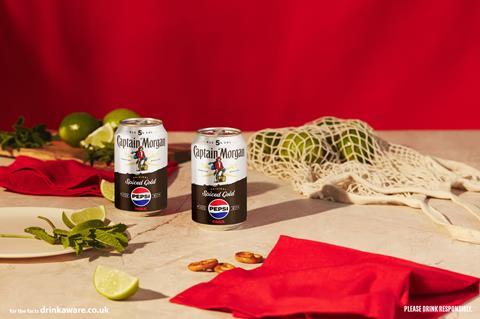
Pepsi’s most celebrated foray into RTDs initially maintained the essence of Pepsi. The lines came in stubby cans rather than the traditional slimline tinnies shoppers expect – although that is changing. Alongside the country’s biggest rum brand, Pepsi Max x Captain Morgan rolled out in 2024, bringing brand names to one of the country’s most common mixed drinks. After all, more consumers are familiar with Pepsi and Captain Morgan than the much more intimidating-sounding Cuba Libre.
Müller x Myprotein
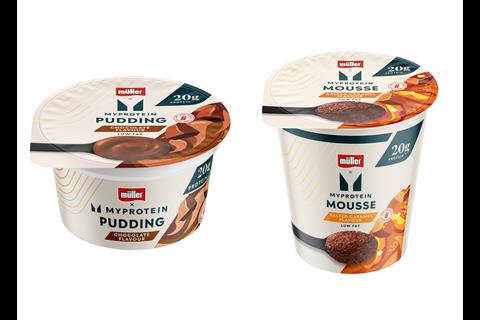
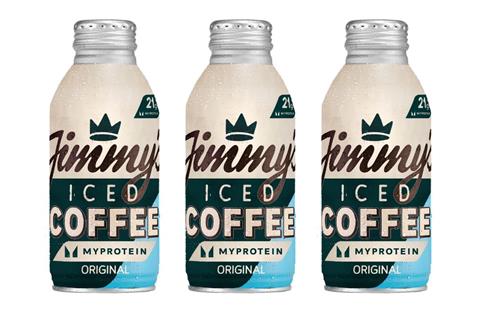
Just as Müller’s yoghurts threatened Kellogg’s hegemony of the breakfast market in the late 1990s, the recent surge in demand for high-protein meals has pushed Müller to pivot. Its collaboration with Myprotein was unveiled in 2024. The following year, the range was expanded to feature a range of yoghurts, mousses, puddings and meal replacement shakes to tap the seemingly never-ending demand for protein. Meanwhile, the move has helped expand Müller’s reach in the ambient aisle with its UHT Myprotein SKU.
Irn-Bru x Funkin

In October 2024, Scottish favourite Irn-Bru and Funkin Cocktails announced a partnership to create an RTD cocktail called the Funkin Irn-Bru Vodka Martini. The drink combines the famed (but hard to pin down) taste of Irn-Bru with Funkin’s nitrogen infusion to produce a “velvety texture and smooth head” instead of the fizz typical of Irn-Bru. Unsurprisingly, marketing efforts and listings were initially centred on Scotland, though the orange nectar is available south of the border too.
Jason’s Sourdough x Toast Brewing
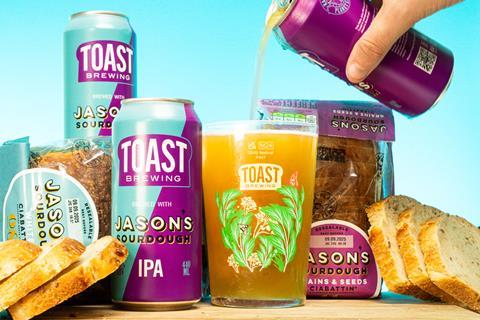
In September last year, Toast Brewing teamed up with Jason’s Sourdough to launch an IPA made with surplus bread. Billed as tasting “like a great marmalade on toast”, the brew contains Jason’s Sourdough in place of some malted barley in its mash. It came five years after Toast’s similar collaboration with Warburtons. Back then, Toast used Warburtons’ wonky crumpets: it shredded and dried them before adding them to the mash tun with malted barley.
Absolut x Tabasco
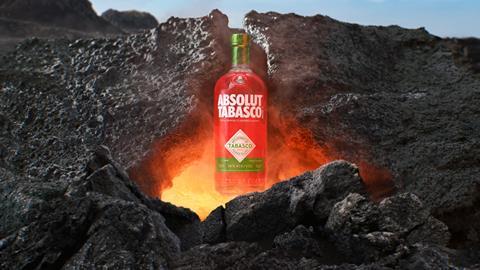
This month, Absolut rolls out its spicy vodka in collaboration with Tabasco. It will hardly be the first time they’ve been paired, given both vodka and Tabasco are key ingredients in post-big-night-out cocktail the Bloody Mary. The two are natural bedfellows and together will tap rising demand for spicy flavours, Absolut predicts. Tabasco was an early adopter, bringing out a spicy ketchup with Heinz in the 1990s. Given Heinz has also collaborated with Absolut, does that make for a happy throuple?
Flash x Febreze
This pair prove co-branding isn’t just for food and drink. Procter & Gamble’s household and aircare lines Flash and Febreze have often come together over the years to combine the cleaning power of Flash with the fragrances Febreze is known for. In addition to general cleaning, the two have identified cleaning ranges for homes with pets as an area where their combined power would offer added value. In an age of cleaning influencers, P&G has also joined forces with Mrs Hinch for its Flash, Febreze and Fairy brands.
Dairylea x Ritz
Ritz crackers might traditionally have been a decidedly adult proposition, but the Mondelez-owned brand took a punt at creating a future consumer pipeline. It partnered with Dairylea to create a Dunkers SKU featuring miniature versions of its baked crackers alongside the nation’s favourite cream cheese. This collab was certainly designed to find its way directly into not just kids’ lunchboxes, but the very consciousness of the next generation of shoppers cum cheese-and-crackers enthusiasts.
Fever-Tree x Papa Salt
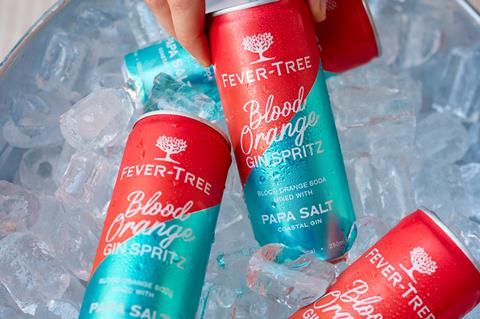
Papa Salt is already associated with one of the biggest names in Hollywood, its co-founder Margot Robbie. Maybe she has more sway producing flicks than with supermarket buyers, as the Aussie gin brand partnered with Fever-Tree in March last year to bring out a Blood Orange Gin Spritz. While it wasn’t Fever-Tree’s first co-branding effort, having previously launched a rose wine spritz with Maison Mirabeau, it was certainly higher-profile and backed by influencer campaigns and festival sampling.
Quorn x Greggs
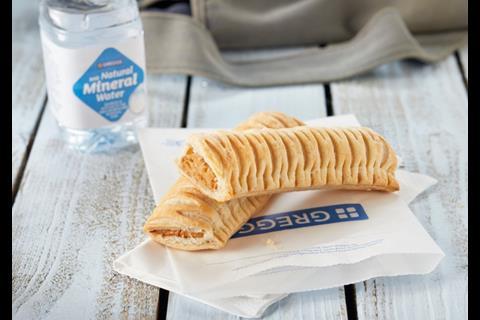
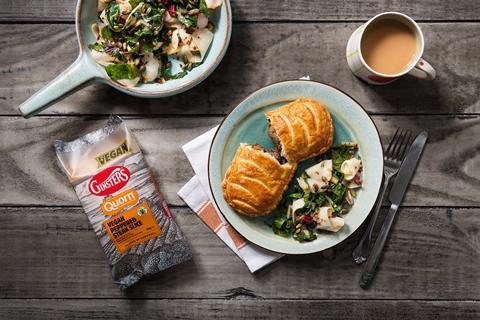
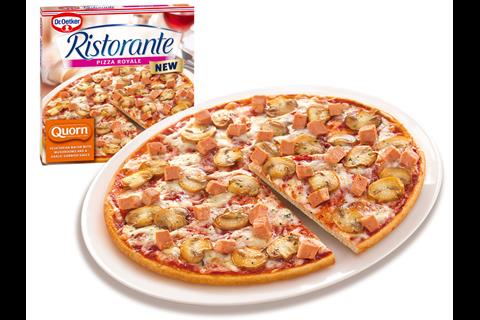
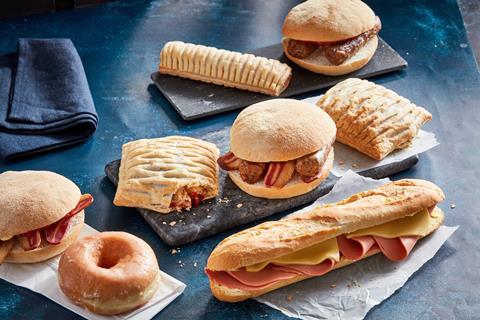
When in need of a meat alternative, Quorn is the go-to for many a brand. It has collaborations with Ginsters and Dr Oetker under its belt, but Greggs is among its most celebrated. Greggs’ vegan sausage roll was often sold out following its launch in Veganuary 2019, and was credited for a sales boost of almost 15% in the months afterwards. It’s remained a staple on the menu and rolled out into the mults as a frozen line. Plus, the two brands have further experimented with steak bakes, lattices and sausages for Greggs’ breakfast menu.
Cadbury Dairy Milk x Lotus Biscoff
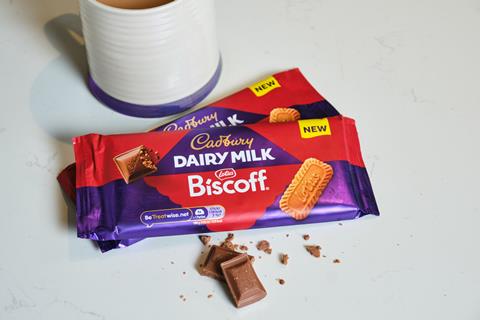
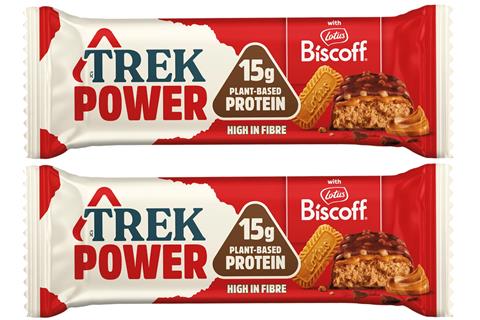
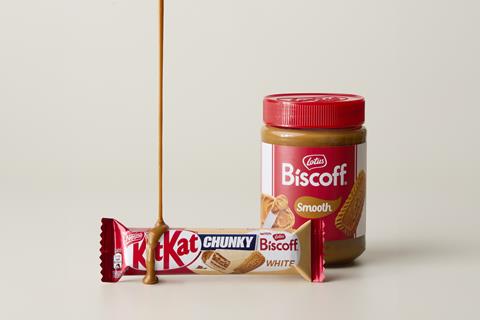
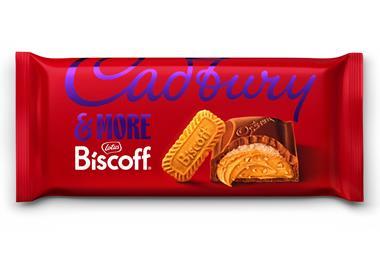
There was a time not so long ago when Lotus Biscoff seemed to be in everything – and even if not the real deal, speculoos-flavoured rip-offs. Lotus Biscoff partnered with English Cheesecake Company, Trek, Krispy Kreme, McDonald’s, Auntie Anne’s and Soho Coffee Co, while agreeing a licensing deal with Froneri to bring the brand into ice cream. The caramelised biscuit trend reached its apex when Cadbury teamed up to launch a Dairy Milk x Biscoff SKU in March 2025.
M&S Food x Marmite
M&S Food famously has no truck with brands… except for Marmite, it seems. M&S now stocks M&S Food x Marmite collaborations that cover sausage rolls, cauliflower cheese, blondies, crisps, pinwheels, cheddar, caramel sauce and now a macaroni cheese ready meal, too. In fact, the collab has slowly but surely become a major part of its innovation. As they say about Unilever’s Marmite, you either love it or hate it – and one can only assume there’s a lover right at the top of the M&S Food chain.
Coca-Cola x Jack Daniel’s
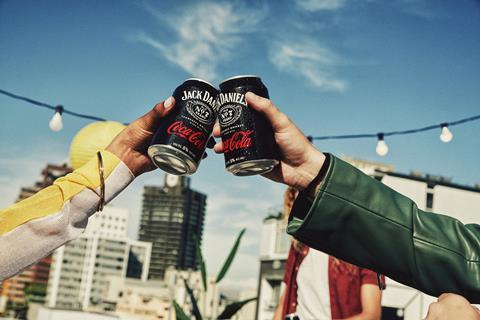
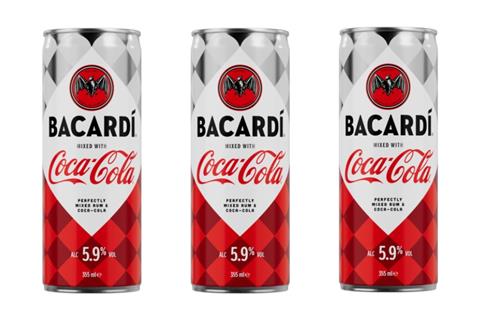
From the sticky club floor to the brightly lit aisles of your local c-store, these two products go back years before they made it official by rolling on to British shelves in 2023. It’s a common sense partnership, evidenced by Jack Daniel’s launching a whiskey and generic cola RTD into retail in 1991. That cocktail had become one of the biggest selling pre-mixes in the UK before Coca-Cola lent its weight to the pairing, and the product now has JD and Coca-Cola as well as JD and Coke Zero SKUs to maximise options for devotees.
Grind x Baileys
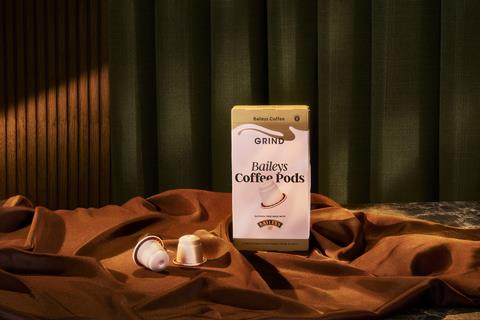
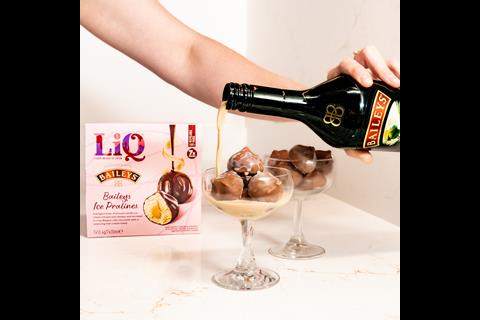
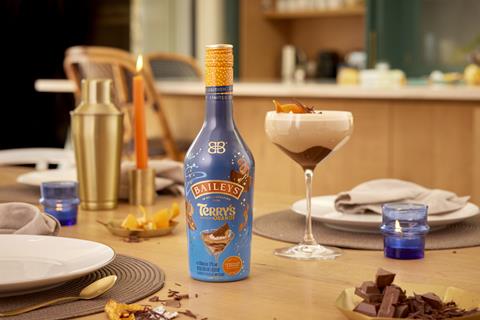
Both parties in this partnership are utterly non-monogamous. Baileys has been on a mission to extend its brand beyond Christmas through tie-ups such as Lir Chocolate Easter eggs, Joe & Seph’s popcorn, Carte D’Or ice cream, and a Terry’s Chocolate Orange flavour. Meanwhile, Grind has brought Baileys to coffee, while Surreal has brought Grind’s coffee to cereal, and Pip & Nut did the same for bars. Is anyone else dizzy?
English Cheesecake Company x Swizzels
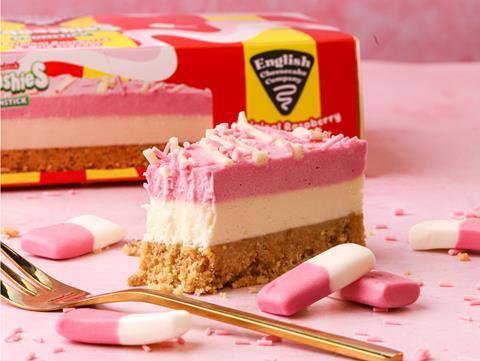
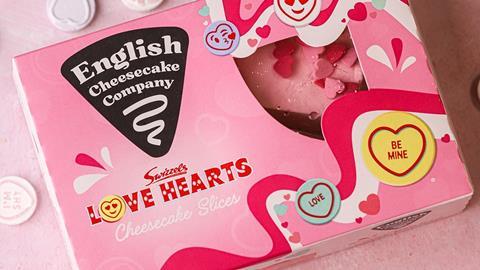
If not obvious soulmates, this is one hell of a hot and heavy match for Valentine’s Day. English Cheesecake Company’s desserts are known for their permissible indulgence. They’ve combined that treat feeling with the nostalgia of handing out Love Hearts in the school playground on 14 February, in a line wrapped up in pink packaging overflowing with hearts. Here’s hoping they keep it old-school ‘romantic’ and eschew the new emoji Love Heart designs.


No comments yet