




These are the UK’s biggest grocery brands by value in the year to 31 December 2025, according to data from NiQ
Britain’s brands faced a challenging year of rising input costs, yet many achieved significant growth, with the top 10 brands collectively generating more than £12.7bn in sales
See who made the cut this year:
1 (1) Cadbury
Sales: £2,546.1m (+4.1%)
Cadbury’s TV ads are often sentimental. Take its most recent. It features a homesick young woman in east Asia, who’s delighted to receive a bar of Cadbury from her sister in the UK. Last year’s ad, ‘Memory’, portrayed a tender moment between a father with dementia and his daughter.
Shoppers have remained unmoved, however: they’ve put 134.7 million fewer packs of Cadbury products in their baskets. That’s easily the biggest absolute unit loss in this year’s report. And it’s down to one thing: price.
Cadbury’s average price per pack is up 14.6%. Only Lurpak (22) and Lindt (21) have risen faster in the top 100.
The causes are well documented. Extreme weather and disease have hit cocoa crops hard in Ghana and Ivory Coast, the biggest producers, resulting in record prices over the past two years.
In October, owner Mondelez warned of a revised 15% fall in expected earnings per share. That’s despite cocoa commodities falling 75% since their $12,218 peak in April 2024.
“We are continuing to experience significantly higher input costs across our supply chain, with ingredients such as cocoa costing far more than they have done previously,” explains Susan Nash, Mondelez trade communications manager.
“Meanwhile, other costs like energy and transport also remain high. This means our products continue to be much more expensive to make, and while we have absorbed these costs where possible, we still face considerable challenges. We understand the economic pressures consumers continue to face and raising prices is a last resort.”
Nevertheless, there are reasons be cheerful for Cadbury. For one, nearly a third of the 604 products that contribute to overall brand value have achieved unit growth. And the fastest-growing lines – such as the March 2025 launch Cadbury Dairy Milk Lotus Biscoff – prove Cadbury still has a knack for innovation.
The brand “has continued to connect, delight and excite consumers throughout 2025”, says Nash. “Our partnership with Lotus Bakeries is part of our long-term plan to innovate within the chocolate category to deliver products that continue to surprise and delight consumers throughout the year including at Christmas and Easter.”
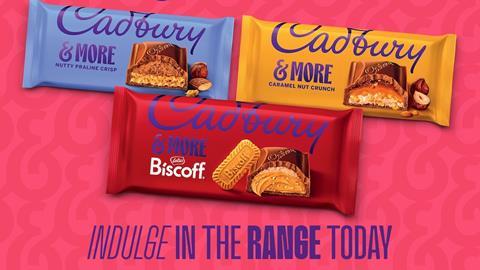
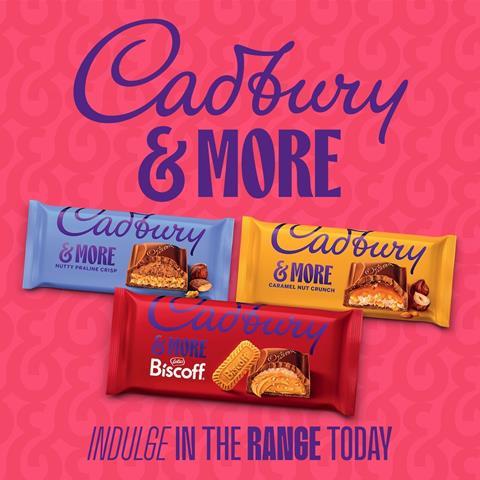
Innovation will continue this spring with a new identity for Cadbury & More, which launched in 2024 and has taken £13.5m in the past year. The revamp will include the addition of Cadbury & More Lotus Biscoff – billed as Dairy Milk chocolate topped with chunks of Biscoff biscuits and filled with Biscoff spread.
It makes sense to launch products that make chocolate more of an event, given everyday consumption is falling as people become more health conscious. Focusing on seasonal events is key, when Brits are more likely to indulge or give chocolate as a gift.
“Our seasonal Easter range is an example of how we’ve focused on adding value for consumers by enhancing giftability,” says Nash.
Indeed, some of the strongest performing products in the Cadbury portfolio over the past year were Easter and Christmas lines. Value sales of Mini Eggs, for example, have surged 30.2% on a rise of 6.7% in units.
Maybe there’s some positive sentiment among Brits for Cadbury after all.
2 (2) Coca-Cola
Sales: £1,889.3m (+1.8%)
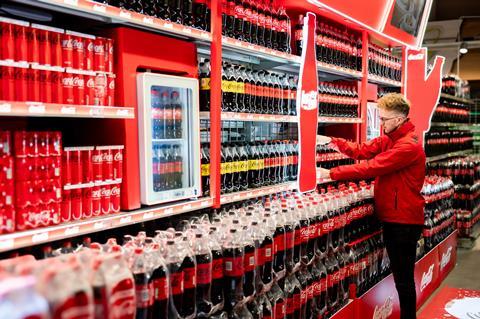
As shoppers increasingly seek out healthier options to wash down their meal deal, Coca-Cola has lost more units than any other soft drinks brand. It’s shed 43.8 million packs, keeping value in the black only thanks to a 7.7% increase in average price.
In light of the prevailing health narrative, the full-sugar Coca-Cola Original Taste has been particularly badly hit. Its volumes have slid 6.3%, or 24.7 million units.
Not that sugar-free Diet Coke has performed much better. Despite the return of actor Jamie Dornan as the face of a summer push, the cola suffered a 4.9% fall in units.
With more-or-less flat value, Diet Coke is now close to being overtaken by Coca-Cola Zero Sugar as Coke’s second most valuable range.
That’s after Zero added £13.1m – driven in part by a 12.1% uptick for its No Caffeine variant on a 9.1% rise in units.
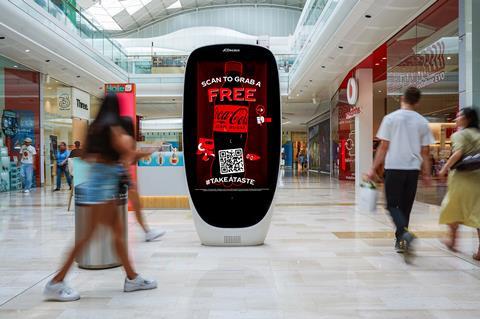
In a bid to better engage consumers, Coca-Cola revived its ‘Share a Coke’ activity last May. The push – which debuted in Australia in 2011 – features personalised bottles and cans designed to be keepsakes. The packs encourage shoppers to “connect and make memories with friends and loved ones”, says Coke.
The brand also returned as the official soft drinks partner of the Premier League ahead of the 2025/26 season. It activated the partnership via an on-pack promotion, offering the chance to win thousands of football-themed prizes.
Having brought back two fan favourites in Coca-Cola Lemon and Coca-Cola Lime in 2024, Coke has bet big on cherry flavours for its NPD efforts more recently.
Diet Coke Cherry returned as a permanent at the start of 2026, followed last month by Coca-Cola Cherry Float and Zero Sugar Cherry Float.
Both tap rising demand for cherry-flavoured soft drinks, which contributed more than half of total cola growth in the past year, says Rob Yeomans, VP for commercial development at Coca-Cola Europacific Partners GB.
He’s confident 2026 will be a winner for the soft drinks powerhouse. The year “is already shaping up to be an exciting and memorable year for the brand, our retailers and our shoppers, as we bring even more innovation to market”, he adds.
3 (3) Walkers
Sales: £1,413.2m (–3.0%)
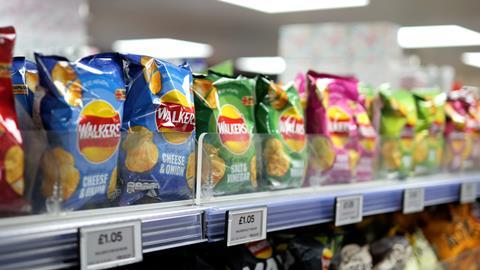
Walkers crisp sales are looking a little soggy. Value is down £43.2m, while 66.4 million fewer packs were sold.
On the brighter side, the brand’s core lineup has slowed its volume decline.
In 2025, we reported a 5.5% slide; this time, the range is just 0.7% down following a significant innovation pipeline.
In March 2025, Walkers teamed up with Lea & Perrins and Heinz to revive Worcester Sauce and Tomato Ketchup variants – both with HFSS-compliant recipes.
The bagged snacks giant then announced non-HFSS recipes for its long-standing Salt & Vinegar, Prawn Cocktail, Smoky Bacon, BBQ Sauce, Roast Chicken and Pickled Onion variants in August. Walkers used “innovative R&D processes” to introduce “a different balance of flavours and seasonings” across its lineup, it says.
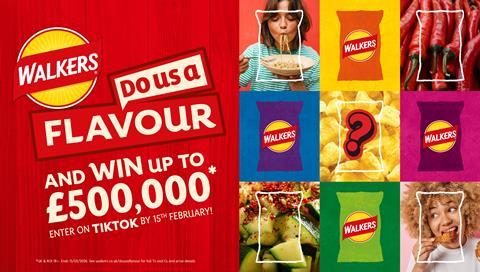
Wayne Newton, senior marketing director for the brand, points out the recipes needed “careful refinement to make sure we kept the taste shoppers know and love”.
Non-HFSS Sticky Teriyaki and Masala Chicken variants were then added in October to tap shoppers’ “growing appetite for globally inspired flavours”.
But not all of Walkers’ portfolio has benefited from healthier recipes. Its entire Sensations range is now non-HFSS, after the reformulation of Roasted Chicken & Thyme in June. However, Sensations has sold 8.1 million fewer packs, while shoppers have taken to Reddit to complain about the change in taste.
Also struggling is Walkers 45% Less Salt – renamed as Walkers Lightly for 2026. It’s sold 9.2 million fewer packs and shed £10.1m.
Walkers will no doubt be hoping its recent redesign – “the largest brand refresh in its nearly 80-year history” – will help recoup volumes.
4 (4) Nestlé
Sales: £1,353.3m (+3.4%)
Hiking confectionery prices to offset supply chain costs, including record-high cocoa, has kept Nestlé in value growth. But it’s also left a 2.5% dent in unit sales.
Take Kit Kat. An extra £18.4m is entirely the result of higher prices and shrinkflation. Its units are down 7.5%. Nestlé confirmed in June it had slashed the size of Kit Kat multipacks, a decision it insisted was “necessary” to “maintain the “same high-quality, delicious products that consumers know and love.”
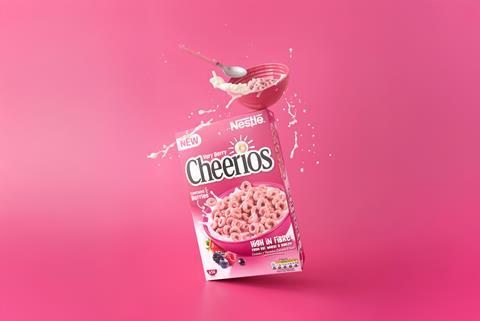
Still, the year was not without positives. In cereal, for instance, Cheerios added Very Berry – its first innovation since 2021. High in fibre and a source of seven vitamins, the NPD is part of a brand that’s recorded 5.2% unit growth.
5 (5) Warburtons
Sales: £1,054.1m (+3.1%)
Warburtons’ diverse portfolio has proven more than a match for what chairman Jonathan Warburton branded a “difficult market”. The bakery’s value is up £31.8m, with 19.4 million extra packs sold.
That’s after hiring Academy Award-winning actor Olivia Colman last spring to front a TV ad for its Crumpets – which have grown unit sales 5.7%.
Warburtons’ trendy protein range has also been a hit: the Thin Bagels, Soft Pittas and Flatbreads have all managed to grow volumes.
More on-trend goods arrived at the start of January in the shape of Fibre Fix. The range of loaf and rolls is aimed at ‘fibremaxxing’ Brits.
The following month, Oscar winner Morgan Freeman took over Warbies ad duties.
6 (6) Pepsi
Sales: £994.7m (+7.1%)
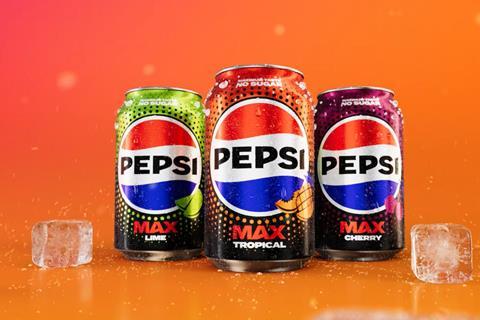
Yet again, Britain’s second-largest soft drink brand is growing at a faster rate than leader Coca-Cola (2). Pepsi has added £65.9m on volumes up 4.4% – due in part to a lower price per average pack than its chief rival.
Another crucial factor in Pepsi’s performance has been the popularity of sugar-free Pepsi Max. The UK’s biggest-selling cola by units is now worth £820.9m.
Sugar-free NPD has been front of mind in the latest year. In February 2025, for instance, the brand added limited-edition zero-sugar Strawberries ‘N’ Cream and Cream Soda. The duo was aimed at “shoppers seeking indulgent soft drinks”, says Ben Parker, VP for off-trade sales at CarlsbergBritvic, Pepsi’s UK supplier.
7 (9) Red Bull
Sales: £924.4m (+15.9%)
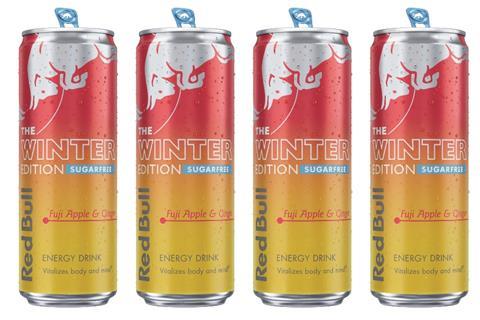
Red Bull has racked up an extra £127m thanks to innovation, advertising and Brits’ unquenchable thirst for energy drinks.
The brand is now taking a new approach to convenience. Last month, it launched Co-Driver, an initiative that helps c-stores drive incremental sales and keep pace with trends in soft drinks. Growth ‘hacks’ and insights are shared through avenues including an exclusive WhatsApp group.
“The soft drinks category is evolving and predicted to almost double in value by 2030,” says a Red Bull spokeswoman. “Paired with significant changes across the convenience channel, retailers are increasingly looking for support.”
8 (7) Heinz
Sales: £862.7m (–2.2%)
In the face of the cost of living crisis – and eroding loyalty to even the most established grocery names – Kraft Heinz’s flagship brand has endured a troubling few years.
Many of its core Heinz staples have been abandoned by shoppers for cheaper own-label alternatives.
Having invested heavily in lowering prices since 2023, however, the US food giant looks to have stemmed UK losses somewhat. Volume declines have slowed to 3.6% across the portfolio.
Of its three heaviest hitting ranges, only Heinz Soup fell faster. Its units are down 4.3% as part of a longer-term downward trajectory for canned and ambient soups. Heinz Beanz and Heinz Tomato Ketchup, on the other hand, have dipped just 1.7% and 2.2% respectively.
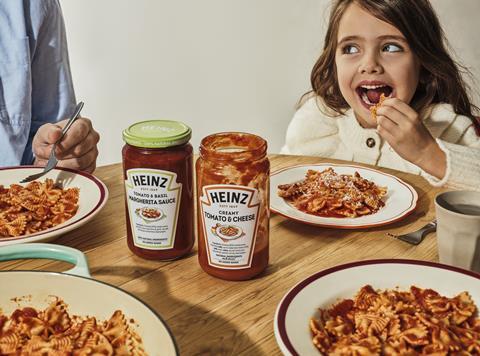
Innovation has also softened losses. “One of the standout innovations has been our clean label pasta sauce range,” says a Heinz spokesperson. Since its 2022 launch, the lineup has grown to a 7% market share, “underpinned by a clear consumer proposition: no added sugar and no artificial ingredients across the entire portfolio”.
In July, Heinz teamed up with Mr Men Little Miss on a pasta sauce for kids: Mr Ridiculously Good’s Smooth Tomato Bolognese.
Beanz pouched ready meals came two months later. Inspired by world cuisines, they landed in supermarkets following a trial on Ocado. They have already “driven meaningful incremental growth”, says the spokesperson.
“Over the past year, we’ve [also] increased investment in marketing across all channels, expanding the reach of our ‘Irrational Love’ platform to build deeper emotional connections with consumers and celebrate the loyalty Heinz has earned with generations of British families.”
9 (10) Monster
Sales: £846.8m (+19.9%)
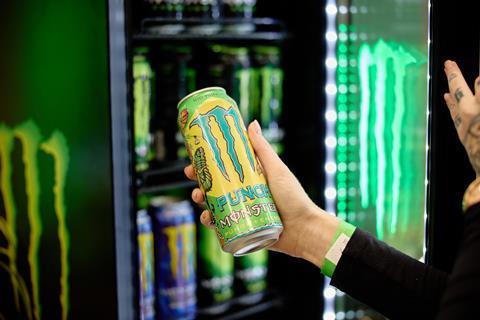
Innovation continues to be a major driver of Monster’s success. In 2025, it added the likes of the grapefruit-flavoured Ultra Fantasy Ruby Red and Zero Sugar Lando Norris, a melon-yuzu flavoured drink in partnership with the Formula 1 driver. The latter has made £15m since its summer debut, says Monster.
That’s helped the brand rake in an extra £140.5m – the largest absolute gain in this ranking. Unit sales are up 12.4%, or 46.6 million packs.
Targeting shoppers on the move is another ongoing factor behind Monster’s gains. “On-the-go remains the top occasion for energy drinks, with 67% of energy drinkers preferring to buy chilled,” says Rob Yeomans, VP of commercial development at CCEP GB.
10 (8) Purina
Sales: £821.3m (+0.8%)
The nation’s 12.5 million cats can nap untroubled: Purina has their backs.
The brand continues to target growing segments in petfood, including premium meals, advanced health and posh snacks.
That’s resulted in much innovation for felines. Take Joyables, the liquid treat added in May. It helped stabilise the Felix range “after a turbulent couple of years”, notes Purina. Then in July, it unveiled One Hydralife to “support feline hydration”, backed by ads featuring reality TV star Sam Thompson.
Expect to see more of Purina this year. “In 2025, we spent more in marketing and advertising than in any year in our existence, and we are set to continue this trend,” it says.
11 (13) Lucozade
Sales: £678.4m (+11.5%)
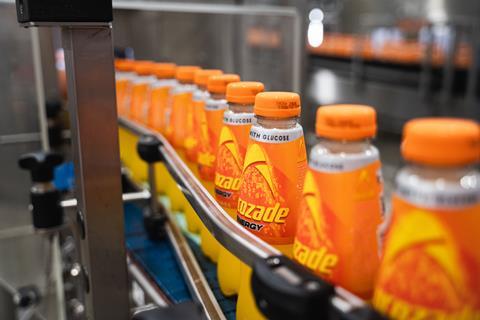
Lucozade credits innovation with securing an extra £69.8m on volumes up 8.7%.
Take Lucozade Sport Ice Kick, which debuted in March 2025 in partnership with England midfielder Jude Bellingham. The lemon & lime drink achieved a 51% repeat purchase rate and made £24.4m, says the brand.
“Its success demonstrates Lucozade’s ability to drive sales by blending cultural relevance with flavour innovation,” adds Alpesh Mistry, sales director at SBF GB&I.
12 (14) Fairy
Sales: £648.6m (+9.9%)
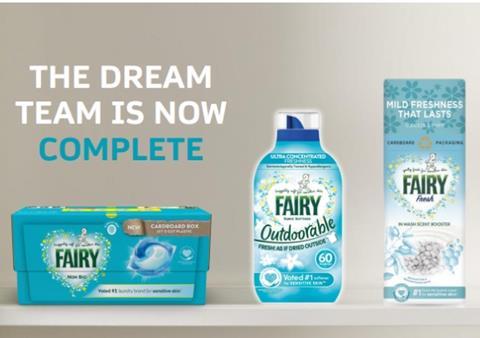
Fairy has recognised Brits’ need for speed. In December, it unveiled 30 Minute Miracle – which owner P&G claimed to be a “first-of-its-kind product” for dishwashers. The tablets promise to deliver “exceptional cleaning performance even in the 30-minute short dishwasher cycle”.
That was preceded in January 2025 by another time-saving Fairy launch: Skip the Soak washing-up spray. Designed to avoid the lengthy process of soaking dishes, it made £11.7m in its first year.
13 (11) Birds Eye
Sales: £634.4m (–0.8%)
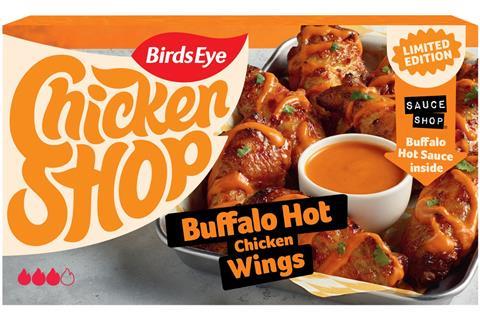
The frozen aisle is well-known for its value – but it’s still suffered the impact of shoppers feeling the pinch, says Birds Eye, which has shed 3.7% of unit sales.
“Over the past year, households have tightened trip volumes and compressed baskets across grocery, and frozen has not been immune to that behaviour,” says Claire Sutton, Birds Eye marketing director.
The brand has leaned on NPD such as Chicken Shop lines to “keep the aisle fresh, contemporary and relevant”.
14 (12) McVitie’s
Sales: £608.7m (–1.1%)
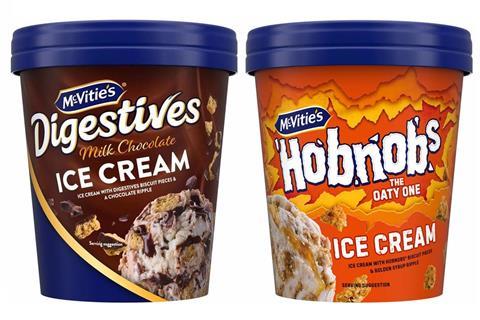
In April, McVitie’s launched one of its “biggest, multimillion-pound” campaigns to date, celebrating 100 years of Chocolate Digestives.
The push included “eye-catching” in-store activations, a “dazzling” 3D projection on the London Eye, and the immersive McVitie’s Chocolate Digestives Experience in central London.
Even so, 14.9 million fewer packs of Chocolate Digestives went through tills last year.
That fall has come amid negative press around reformulation. Last March, McVitie’s removed cocoa butter from White Digestives, which meant it could no longer be described as “chocolate”.
However, the lack of chocolate didn’t hurt sales of its limited-edition Pink Digestives, which landed in June with a raspberry & cream-flavoured coating. A total of 1.6 million packs went through tills, generating £3m.
Jaffa Cakes have also been the subject of on-trend innovation. Limited editions Hot Honey and Yuzu Lemon landed in June and August respectively. Although unit sales are down 2.2%, higher prices have pushed up value.
“Consumers are increasingly looking for new and exciting flavours, and hot honey is one of the most popular,” says Daniel Shemoon, marketing manager at McVitie’s. “The same goes for Yuzu Lemon. Once a hidden gem of Japanese cuisine, yuzu has exploded in popularity in recent years.”
McVitie’s Signature Chocolate Rounds are also proving popular. They’re up £2.9m, having tapped a “growth opportunity in evening snacking”, adds Shemoon.
15 (15) Nescafé
Sales: £596.1m (+4.3%)
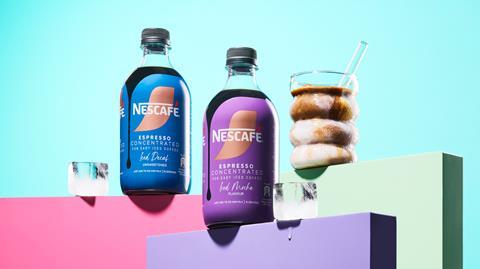
Nescafé made headlines last summer after shrinking its original instant from 200g to 190g while prices remained the same in the major mults. Then, earlier this year, it removed one sachet from its instant Cappuccino, Vanilla Latte and Mocha multipacks.
On both occasions, Nescafé blamed “significant increases in the cost of coffee”.
Those increases have led to an 8% increase in average price per pack – driving a £24.6m gain. But the brand’s sold 5.6 million fewer units.
16 (16) Kellogg’s
Sales: £563.6m (–0.8%)
Kellogg’s started 2025 with ‘See you in the morning’, a major campaign that featured a Godzilla-scale reinvention of its mascot, Cornelius Rooster. He strutted through city streets to the sound of hip-hop track Jayou by Jurassic 5.
The £12m push was “just one part” of a strategy to boost the brands of then owner Kellanova, said UK MD Chris Silcock at the time. He was confident the activity would “drive growth across numerous areas”.
Perhaps Silcock was a little too optimistic. While Cornelius has gone super-size, Kellogg’s value has shrunk. The brand’s lost £4.6m and shifted 3.2% fewer units as Brits turn away from cold cereal in favour of other breakfast options, such as pastries and on-the-go options.
As a result, Kellogg’s nine biggest products – including Crunchy Nut, Corn Flakes, Rice Krispies, Special K and Coco Pops – have all sold fewer packs.
Kellogg’s isn’t alone, however. Similar struggles can be seen across the cereals category, which is home to several volume-shedding brands. That includes fellow cereal heavyweights Weetabix (56) and Quaker (65). They’re down 7.4% and 3.9% respectively.
That Kellogg’s has shed packs at a slower rate is a modicum of good news for the cereal giant – as is the growth of some of its snacking lines. Coco Pops and Rice Krispies bar are growing, and Squares is one of Kellogg’s brightest spots –up 89% in units.
Tapping health trends could also stand to pay off. Kellogg’s High Protein Bites cereal rolled out in May and made £1.3m in its first eight months.
17 (20) Müller
Sales: £498.4m (+9.9%)
A strong pipeline of NPD has helped Müller rake in an extra £44.8m on volumes up 4%.
Launches have included extensions to its range in partnership with Myprotein a Shake drink and Crunch yoghurt, both in two variants. Müller also added Whipped Greek Style Strawberries & Cream and Whipped Greek Style Lemon Meringue to its Bliss yoghurt lineup.
The company even had brand ambassador Declan Rice create Müller Rice Raspberry &White Chocolate.
18 (19) Arla
Sales: £486.2m (+1.2%)
Arla has suffered a 3.7% volume drop across a portfolio that spans Cravendale, LactoFree and Protein.
But Arla points to its “strengthened high-protein proposition” as a source of current and future growth. The dairy giant is “leaning into changing consumer needs with a healthy, nutritious portfolio”, insists brand director Stuart Ibberson.
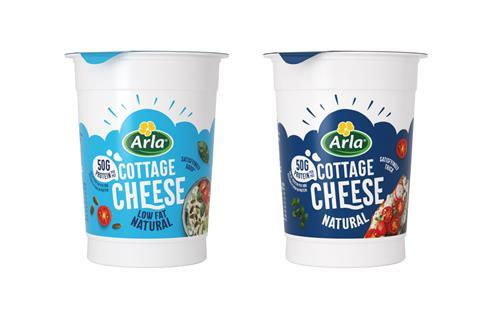
Arla tapped the cottage cheese trend in January with the launch of two variants, both in two sizes of pot.
19 (18) Andrex
Sales: £485.3m (–1.6%)
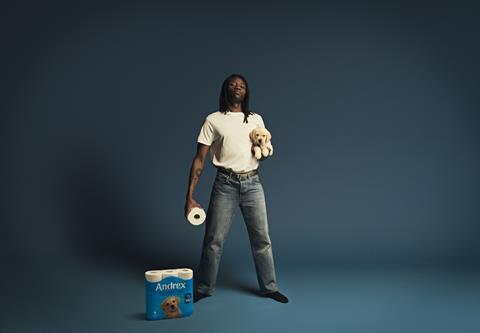
Challenged by smaller, eco-conscious players like Cheeky Panda and Who Gives a Crap, Britain’s biggest toilet paper brand has focused on providing greater value.
Andrex is down £7.9m after shifting 1.8 million fewer packs. However, that unit loss is a reflection of consumers moving to larger formats. Per sheet, volumes are up 3%, says Niamh Finan, marketing director at owner Kimberly-Clark.
The brand’s ongoing ‘Get Comfortable’ push encouraged Brits to poo at work and other people’s houses.
20 (17) McCain
Sales: £473.6m (–5.5%)
As competition from own-label heats up, McCain has sold 6.5 million fewer packs. Plus, rival brand Birds Eye (13) has been piling on pressure with 2024 launch Crispy Chips and 2025’s Crispy Wedges – now worth £13.5m combined.
There are bright spots for McCain, though. Its Vibes snacking range “has performed particularly well”, says Naomi Tinkler, McCain category growth director. “With more people staying in, shoppers have sought bold, hot snack options at home.”
21 (22) Lindt
Sales: £456.3m (+6.8%)
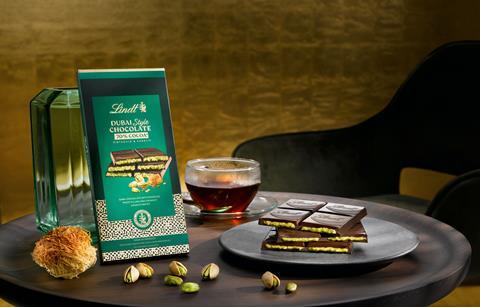
Don’t be fooled by Lindt’s strong value growth. Britain’s second-biggest chocolate brand has shifted nine million fewer packs – but its average unit price has soared 15% on the back of cocoa cost hikes.
The rise of GLP-1 weight-loss drugs in the UK could offer a surprising route back to volume growth. Chocolate sales are rising faster among users of medication like Ozempic and Mounjaro in the US than the wider population, brand owner Lindt & Sprüngli claimed this month.
22 (21) Lurpak
Sales: £436.8m (+1.3%)
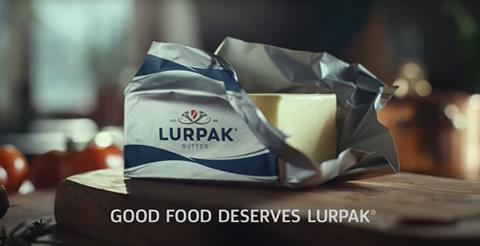
Inflation in the butter aisle has weighed heavily on Lurpak. The brand’s unit sales have slumped 12.8% as its average price rocketed 16.3%.
The rise in prices has “compressed some volumes” across branded butters and spreads, concedes Catriona Mantle, Arla marketing director for BSM. But she insists Lurpak’s “premium equity” helped in “sustaining value even as trips and basket sizes softened”.
She also points to the 330.5% value gain for the burgeoning Lurpak Plant Based.
23 (23) Danone
Sales: £425.3m (+0.7%)
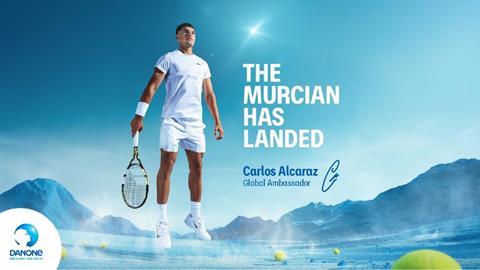
Danone is banking on its health-focused products to maintain a healthy rate of sale.
Unit sales are in the black by 1.1% – buoyed by strong momentum in its range of functional dairy products, including high-protein lines, kefirs and natural yoghurts, the brand says.
Danone points to particularly marked growth in natural yoghurts due to a “shift towards simpler, lower-sugar options”. To further tap demand for “nutritious high protein yoghurts”, Danone launched its Skyr range of yoghurts and drinks – providing 14g to 16g of protein per serving – in March 2025.
The lineup has delivered a strong early performance, having already sold more than three million units, says Zack Cunningham, Danone head of category & commercial planning for dairy.
Also last March, Danone expanded its Activia Kefir and Activia Fibre ranges – the former featuring 16 different strains of live cultures to add to the diversity of the gut microbiome.
More such launches can be expected. The business intends to add even more “innovations that deliver great taste, strong nutrition and clear gut health benefits”.
It also intends to have its say on UPFs. In January, Danone called for a consistent, government-backed definition so “regulation supports, rather than undermines, healthier choices”.
Adds Cunningham: “Foods enriched with nutrients such as fibre, protein and minerals play an important role in a balanced diet and shouldn’t be grouped with products high in added fat, salt or sugar.”
24 (27) Cathedral City
Sales: £376.9m (+8.5%)
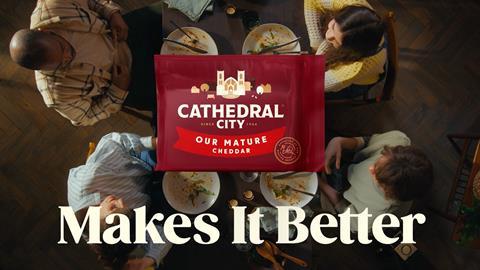
Cathedral City is outpacing the wider cheese market, says marketing director Georgina Thomas. It’s boosted value by £29.7m and grown unit sales 4.4%. It’s also seeing increases in market penetration and shopper frequency, Thomas adds.
Momentum is being driven by “winning pre-packed formats”. That’s been bolstered by “value-led” NPD in 2025 such as Big Pack slices, minis and grated cheese – supported by the multimillion-pound ‘Makes it Better’ push.
25 (26) Haribo
Sales: £374.1m (+3.2%)
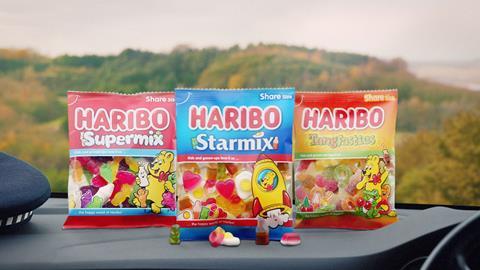
“More households than ever choose Haribo,” says Phil Murphy, Haribo UK & Ireland chief marketing officer.
That’s evident in the 5.9% growth in unit sales – driven by the brand’s core lines, innovations such as Nostalgix and Alienauts, and greater in-store presence during Easter and Christmas.
Haribo also strengthened its physical presence last year, opening stores in Kent’s Bluewater Shopping Centre, Glasgow, and the Trafford Centre in Manchester.
26 (28) Wrigley’s
Sales: £340.7m (+1.9%)
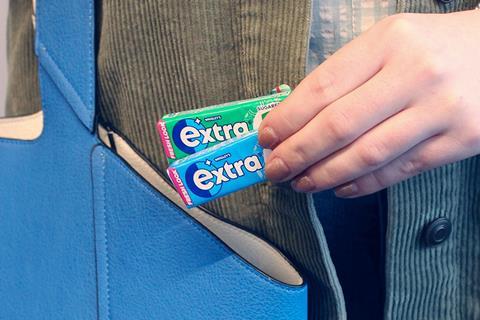
The £6.2m gain for Wrigley’s is thanks to higher prices; it’s sold 6.9 million fewer packs of chewing gum.
In an effort to keep unit sales in the black, Wrigley’s added the category “first” Extra Refreshers Watermelon Raspberry in February 2025, backed by a £4.5m push.
The brand hopes to “drive category reappraisal” with its new premium tier, Extra Plus. It launched in January 2026 in Chill, Hydro and Deep Clean – to be backed by Wrigley’s “biggest-ever” spend.
27 (31) Galaxy
Sales: £340.2m (+10.9%)
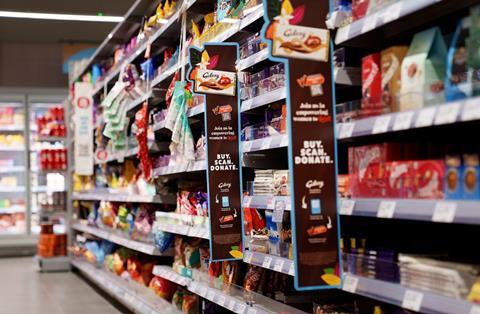
Galaxy’s £33.5m gain is purely down to inflation. Average price per unit has rocketed 11.5%, but it’s sold 930,800 fewer packs of chocolate.
In an effort to cash in on Easter and Christmas, Galaxy added Minstrels Mini Eggs 80g and Ripple Giant Egg 440g in December 2024, followed by Miniatures in September 2025.
The brand has also focused on purpose. In February 2026, it launched ‘The Unhumble Project’ with charity Young Women’s Trust, offering free confidence training.
28 (25) Pringles
Sales: £339.9m (–7.1%)
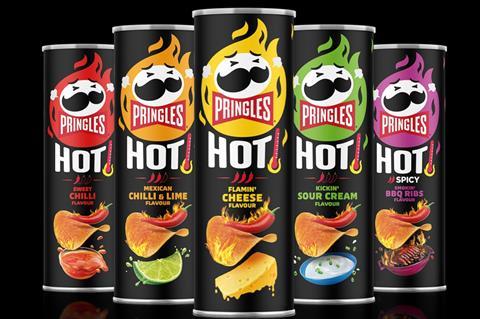
Once you pop, you can stop, it turns out. Brits have turned their backs on Pringles, leading to a 10.4% fall in units. The Kellanova brand’s made the fourth-biggest absolute value loss in the top 100: £26.1m.
Nevertheless, it remains the UK’s second-largest crisps brand. In a bid to recoup shoppers, it’s kicked off ‘Pass the Pringles’, a brand platform that’s focused on “the joy of sharing” rather than gluttony.
It encourages people to spark a “moment of playful connection”, says Kellanova.
29 (24) Hovis
Sales: £338.7m (–10.2%)
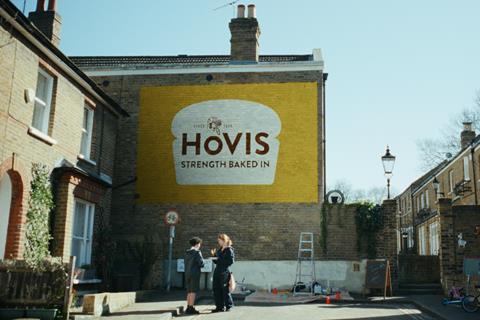
Brits’ preference for fancier carbs has hit regular bread hard – and Hovis is no exception. Outflanked by sourdough and artisanal bakeries, the brand has taken a £38.6m blow as units fell 11%.
Hovis tapped trends with its first sourdough loaves in October, but it was facing an uphill battle after suffering delistings from the traditional big four in early summer.
The acquisition by Allied Bakeries, agreed in August, looks more important than ever for the brand.
30 (30) Innocent
Sales: £329.7m (+5.7%)
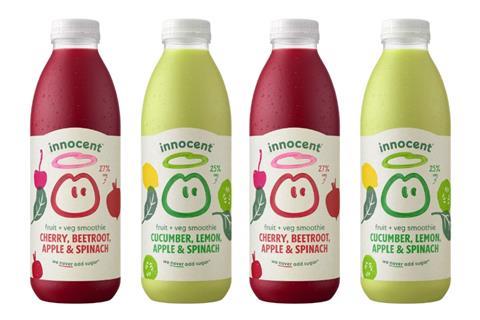
As the market leader of a category that’s shed 32.6 million litres in the face of soaring import costs, Innocent should be suffering. Yet the juices & smoothies brand has grown both value and volumes. It’s added £17.9m, while bolstering pack sales by 2.8%.
“Our juice portfolio has performed particularly well, and our functional smoothies and kids ranges have continued to gain traction,” says a spokeswoman for the brand. “We’ve focused on balancing value, quality and responsible pricing to protect category health in what remains a challenging cost environment.”
Wholesale costs have been a particular hurdle. Orange juice concentrate prices have soared in recent years following the impact of extreme weather and citrus greening disease on crops in Brazil and Florida, the world’s largest orange-growing regions. Rising packaging, labour and regulatory costs have also squeezed margins.
“Competition has also intensified, particularly with the rise of agile challenger brands in shots and functional drinks,” adds the spokeswoman. “Category volumes remain under pressure, making responsible pricing and clear value communication essential.”
Innovation has also been vital for Innocent, which rolled out a Juicy Water duo for kids in March, and two fruit & veg smoothies in September. That was followed by a trio of functional shots.
Around the same time, Innocent removed Rainforest Alliance-certified bananas from its smoothies in the UK, ending a partnership of at least 20 years.
31 (29) Fanta
Sales: £328.2m (+1.7%)
Fanta continues to focus on Halloween as a “key calendar moment”. Last October, it added Forest Berries Zero Sugar, a limited-edition featuring Chucky from the Child’s Play slasher movie franchise.
Combined with in-store, digital and influencer activations as part of Fanta’s ‘Wanta Fanta’ campaign, Forest Berries Zero Sugar helped the brand capture more than a fifth of all carbonate sales over the Halloween period. Over the full year, that contributed to sales growth of £5.5m.
32 (35) Maltesers
Sales: £324.7m (+13.2%)
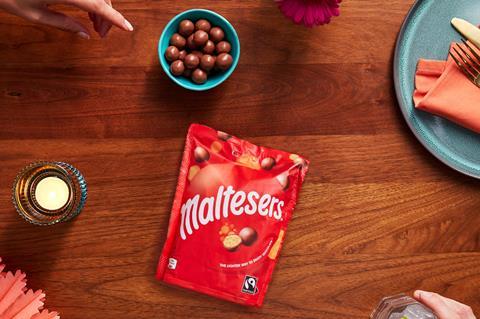
Unlike other chocolate brands in the top 100, Maltesers’ £38m gain isn’t purely down to higher prices. It’s sold 10.4 million extra units in a year that featured the relaunch of White Maltesers in June after an 11-year hiatus.
Shoppers had been “clamouring for us to bring it back”, says Clare Moulder, Maltesers senior brand manager.
To maintain momentum, the brand launched ‘Look On The Light Side’ last month, a push depicting women smiling through everyday frustrations.
33 (37) Kinder
Sales: £308.7m (+14.6%)
Kinder unveiled three-bar and five-bar packs in 2025, replacing its four-pack. ”This was done to give consumers more flexibility depending on their needs and/or the occasion,” claims the brand.
The ongoing popularity of Kinder Joy and a strong pipeline of launches kept damage to unit sales minimal.
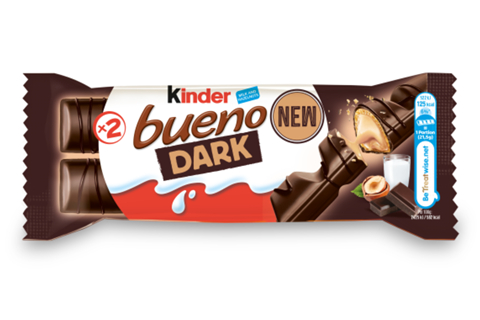
Last month, the brand revived Kinder Bueno Dark after a seven-year hiatus, to tap the trend for premium dark chocolate.
34 (32) Ferrero
Sales: £303.3m (+3.9%)
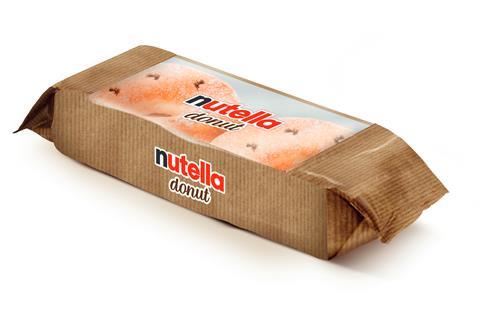
Ferrero has faced major challenges in sourcing two of its core ingredients. While cocoa prices soared last year, the brand also entered into a reported standoff with Turkish hazelnut dealers. The combination helps explain the 3.9% rise in average price per unit.
However, Ferrero has managed to keep unit sales in the black – albeit by just 0.1%. That’s largely down to seasonal in-store activations and innovation, says the brand, which unveiled Nutella Plant Based last May.
35 (34) Doritos
Sales: £295.6m (+2.9%)
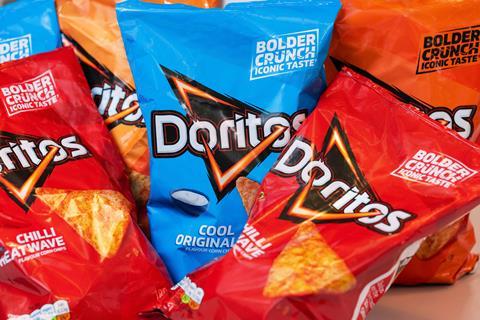
The reformulation of the entire Doritos range in late 2024 to be non-HFSS has been “key to our ongoing growth”, says Cynthia Finke, marketing director at Doritos.
Free from the shackles of HFSS restrictions, the brand targeted “cultural relevance” in 2025 – and sold an extra 2.6 million packs of tortilla chips.
In January 2025, Doritos teamed up with A Minecraft Movie for an on-pack promotion that involved hiding square tortilla chips in 100 sharing packs of Chilli Heatwave. Shoppers who found the rare chips could nab a cash prize of up to £10k.
The competition was accompanied by limited-edition Creeper Vinegar and Ghast BBQ variants, inspired by the movie’s characters. The flavours returned permanently in April as Zingy Vinegar Blast and BBQ Sweet Tang.
Two months later, Doritos partnered with Squid Game to roll out limited-edition Chilli Heatwave Flamin’ Hot or Not. One in four chips featured extra-spicy seasoning.
Another TV tie-in followed. Doritos’ partnership with Stranger Things in September saw the rollout of limited-edition Black Garlic Dip and 270g “party-sized” packs of chips.
If that weren’t enough, Doritos then unveiled a Gingerbread variant the following month. The unexpected sweet-and-savoury mash-up “sparked curiosity and conversation” and generated over one million organic views on TikTok, says Finke.
“Flavour continues to drive excitement in the category, with the appetite for bold flavours stronger than ever,” she adds. “We have seen this first-hand.”
36 (33) Robinsons
Sales: £295.0m (+1.1%)
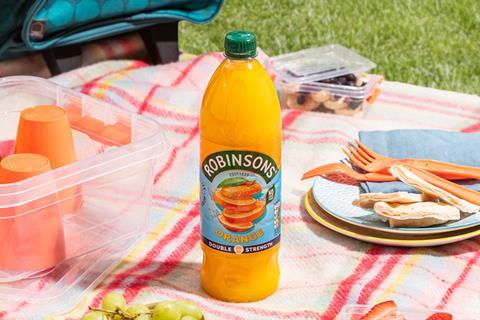
The UK’s top squash brand has been splashing out on marketing and innovation. It partnered with Universal Pictures for the November release of Wicked: For Good, launching glitter-infused limited-editions Amazifying Citrus Twist and Outstandiful Berry double concentrates, and Fruit Shoots in Thrillifying Citrus and Sparkle Berry Fruit.
While the movie was a smash, Robinsons could have done with a bit more magic: the brand’s value growth conceals a 2.2% fall in units.
37 (39) Magnum
Sales: £284.4m (+17.9%)
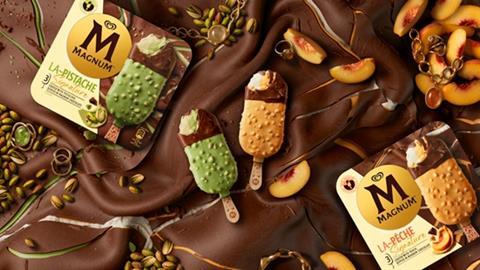
Britain’s top-selling ice cream brand has raked in an extra £43.3m. It’s also sold 7.3 million extra units, despite average pack price rising 8.3%.
Magnum attributes its growth to Bonbons, which launched in late 2024, and Utopia sticks, which debuted in Double Cherry and Double Hazelnut in February 2025.
Its ‘Nothing Cracks Like Magnum’ push premiered the same month, including two TV ads that leveraged the “distinctive sound of Magnum’s cracking chocolate”.
38 (36) Whiskas
Sales: £268.3m (–1.6%)
![Whiskas_EU_2025_Purradise_1200x1200_banner_Pmax (1)[27]](https://dmrqkbkq8el9i.cloudfront.net/Pictures/480xany/0/4/2/389042_whiskas_eu_2025_purradise_1200x1200_banner_pmax127_805525_crop.jpg)
Last July, Whiskas made a major breakthrough with a mono-material catfood pouch that is “compatible with current or emerging recycling infrastructure”.
The launch was preceded in May by the debut of ‘Purrcast’ – the brand’s “feline-hosted” kitten advice podcast.
Despite its efforts, the brand has shed 3.8 million units – a fall of 7.2%. That meant not even a 6% rise in average price per pack could prevent Whiskas’ value sales from falling into the red by £4.3m.
39 (50) Highland Spring
Sales: £257.6m (+28.6%)
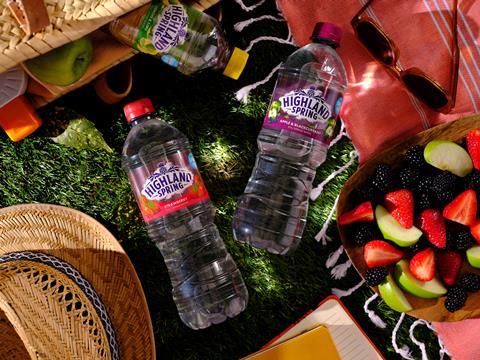
Highland Spring has leapfrogged Evian (43) and Volvic (48) to become the UK’s number one bottled water brand.
That’s after scoring the second-highest percentage value gain in this year’s top 100. Only Fage (62) has grown value faster.
“Two defining trends are accelerating significant category growth in bottled water: the mainstreaming of proactive wellness and the prioritisation of positive hydration,” says Simon Oldham, MD of Highland Spring Group.
“This evolution in drinking habits, characterised by a decline in sugar and alcohol consumption, is being met by increasing consumer preference for natural, locally-sourced and trusted brands.”
Now it’s at the top of bottled water, Highland Spring intends to stay there. “Our focus for 2026 is clear: extending our number one position,” adds Oldham. “We will strategically double down on our unique brand provenance while leading the category in innovative product and packaging solutions.”
The brand’s still waters have grown value 24.7% to £203.3m, while Highland Spring Sparkling is up 11.7% to £37m. Its flavoured still waters – unveiled in 2024 – have also contributed to growth. They’re worth £17.3m after a distribution-driven, triple-digit percentage gain.
“Flavoured water innovation has been a major focus for us as we expanded our range across independent retail, convenience, and wholesale sectors,” says Oldham.
“Space for still flavours, supported by high-impact NPD and promotional activity, will help drive sales.”
40 (40) Jacob’s
Sales: £245.7m (+3.5%)
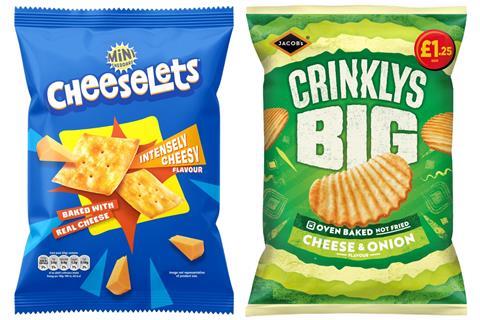
Bites have been the “star of the show” for Jacob’s, says Scott Landay, senior brand manager at Pladis UK&I.
Following their debut in summer 2024, the flavoured crackers have grown their value by 177% in the past year, he reports. “Bites were created to leverage key sharing occasions, showing that savoury biscuits can be both full of flavour and fun to share.”
Building on that sense of fun, Jacob’s partnered with Frank’s RedHot in July for a trio of co-branded snacks.
41 (38) Alpro
Sales: £244.1m (+0.3%)
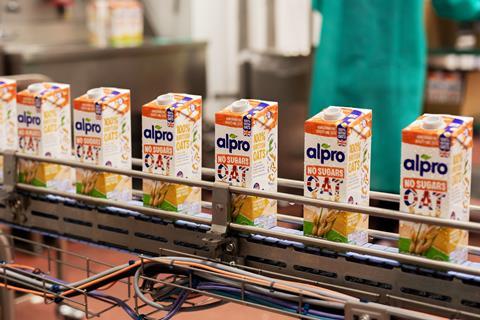
Alpro says it has strengthened its leadership in plant-based category, which continues to grow as a “mainstream lifestyle choice”.
The brand points to several drivers of growth. In October, it moved to 100% British oats in a raft of product launches.
In July, it launched an Alpro Kids range of drinks and yoghurts to cater to health-conscious parents. Meanwhile, its fortified 5 Essential Nutrients lineup was supported by a push starring pop singer Zara Larsson.
42 (43) Starbucks
Sales: £243.3m (+7.2%)
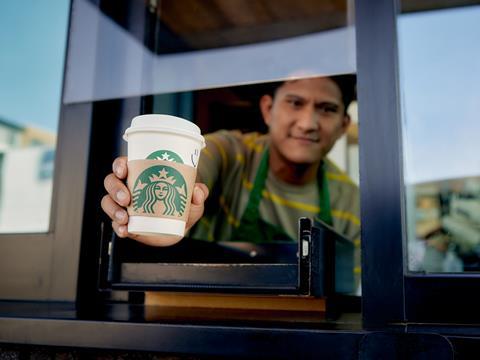
A 7.9% increase in average price per unit has driven the £16.2m gain for Starbucks. Its pack sales are down 0.7%.
But Nestlé and Arla – which make Starbucks coffee and RTDs respectively – insist other factors are driving growth. For Nestlé, seasonal lines including Pumpkin Spice Latte and Toffee Nut Latte have created “anticipation and excitement”. Arla heralds “front-of-store meal deal momentum” and growing interest in the Starbucks Protein Drink lineup.
43 (46) Evian
Sales: £242.4m (+14.5%)
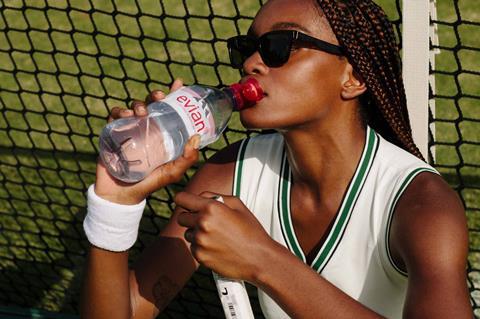
Bottled water is booming thanks to record heat last summer, growing awareness of the benefits of hydration, and the move away from less healthy soft drinks and booze.
Evian has capitalised to make an extra £30.8m, shifting 9.9 million more packs.
“Changing attitudes to alcohol and soft drinks continue to influence behaviour: 59% of adults have limited or stopped their alcohol intake, with water the number‑one alternative,” says Vicky Pham, head of category at owner Danone.
44 (49) Dr Pepper
Sales: £241.6m (+19.6%)
Buoyed by a 2023 rebrand and its first campaign for a decade, Dr Pepper has made a mockery of the slowdown in traditional soda sales.
The self-described “cult beverage” is growing faster than any other fizzy pop player, having added £39.6m in the past year on volumes up 14%. That’s an extra 16 million packs through tills.
This runaway success is being driven by Dr Pepper’s “bold, unique flavour” and a strong pipeline of innovation, says Rob Yeomans, VP for commercial development at parent company Coca-Cola Europacific Partners GB.
Last January, the brand added the sugar-free Zero Sugar Cherry Crush, a limited-edition variant combining the core drink’s “iconic taste” with “a vibrant cherry twist”.
Launched with an on-pack promotion to coincide with Valentine’s Day, Zero Cherry Crush delivered “immediate results”, Yeomans says. It generated over £20m and contributed more than half of total Dr Pepper value growth across grocery, he adds.
Not surprisingly, Zero Cherry Crush has earned a place in the permanent Dr Pepper portfolio – and its weekly prize drops returned for Valentines Day 2026.
The soda brand has continued its innovation drive into 2026. Last month, the brand added Cream Swirl, another limited-edition promising “one-of-a-kind flavour with an indulgent, creamy twist”. The HFSS-compliant drink is supported by a multimillion-pound push.
If it matches the success of Zero Cherry Crush, there’ll be no stopping Dr Pepper’s rise in the ranking.
45 (44) Yeo Valley
Sales: £239.2m (+9.5%)
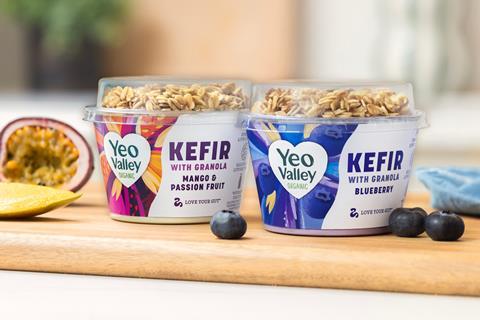
Yeo Valley has used this year to expand further beyond its dairy heartland. Not only did it debut in meat with 100% British, free-range, organic grass-fed burgers, but it also unveiled organic granola.
In yoghurt, the shift to a different kind of healthier eating is benefiting the brand. Brits are seeking “natural, thicker and creamier yoghurts, as well as additional health benefits”.
The trend has helped drive growth in Yeo Valley’s health-led yoghurt ranges: Kefir, Greek Style and Greek Recipe.
46 (42) Persil
Sales: £232.4m (+1.6%)
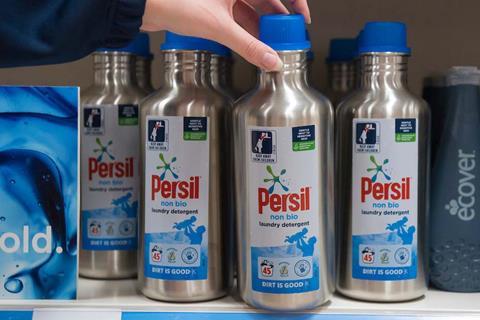
The rate of Persil’s value gain has softened. But the brand’s stayed in the black after adding two variants to its successful Wonder Wash range for short laundry cycles in April. They were backed by a multimillion-pound push that included the return of 2024’s ad fronted by Usain Bolt.
May marked the debut of Persil’s Non-Bio Capsules and Wonder Wash Sensitive. Both came in Pure Heaven Scent fragrance, as part of a wider Unilever launch of laundry lines for sensitive skin.
47 (41) Lenor
Sales: £227.8m (–2.1%)
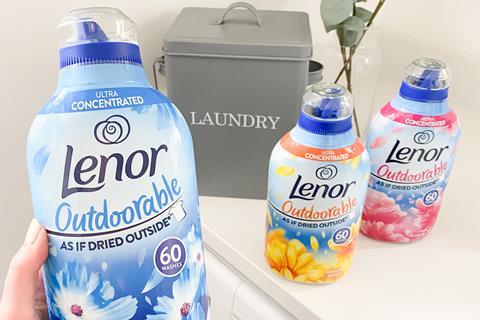
Shoppers rushed to Morrisons in early 2025, after discovering Lenor Outdoorable Dreamy Jasmine 770ml liquid fabric conditioner had been slashed from £5 to 37p.
The incredible bargain was the result of the retailer clearing its stock of the discontinued pack size, which was replaced by a 742ml format.
However, that didn’t boost overall volumes of the brand, which sold 2.4 million fewer packs. That led to a £5m loss for Lenor, despite a thriving laundry category.
48 (48) Volvic
Sales: £227.2m (+9.6%)
![Volvic_Still_TOF_horizontal_cherry_MASTER-3[50]](https://dmrqkbkq8el9i.cloudfront.net/Pictures/480xany/0/6/0/389060_volvic_still_tof_horizontal_cherry_master350_799930.jpg)
Volvic is now bottled water’s third-biggest brand – down from second. But it’s still shifted an extra 6.5 million packs. “Consumer health consciousness is one of the biggest drivers of growth,” says Vicky Pham, head of category at owner Danone.
Pham cites research showing 85% of adults now view hydration as a priority.
The February 2025 return of Cherry Volvic Touch of Fruit also aided growth, and maintained the sub-brand as the UK’s leading flavoured water.
49 (45) Hula Hoops
Sales: £227.0m (+5.3%)
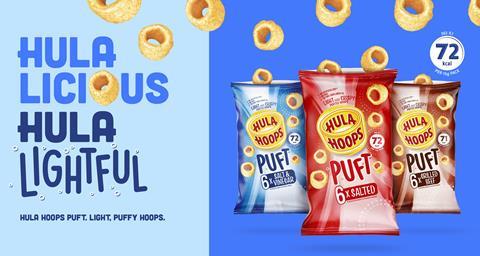
The past year has sparked a flavour boom across bagged snacks. Shelves have groaned under the weight of wild and trendy launches, as NPD teams took inspiration from condiments, takeaways and exotic cuisines.
But for Hula Hoops, success in the past 12 months has come from keeping matters simple. In March last year, the KP snacks brand added the tried-and-tested classic smoky bacon flavour to its core range.
That was followed in July by the relaunch of Hula Hoops Flavarings with the return of two “fan favourites”: Big ‘n’ Beefy and Spicy.
“Crispy, light and with a melt-in-the-mouth texture, Flavarings retain the brand’s iconic hoop shape while delivering an unmistakably bold taste twist, catering to the demand for bigger, bolder flavours,” says Kevin McNair, KP Snacks marketing director.
“Bold” might be a little generous, but the relative simplicity and familiarity of the launches was a clear hit with consumers – helping to drive an overall 2.6% increase in unit sales for Hula Hoops.
In fact, 2025 was “a massive year” for the brand, insists McNair, as the brand fuelled an “impressive 35% of total [category] growth”.
In addition to the newest flavours, Big Hoops packs also “continued their strong trajectory”, McNair adds.
Its BBQ Beef variant is “the nation’s number one meal deal crisp choice”.
There’s some cause for concern ahead, though. Planned strike action at KP Snacks’ Billingham factory could leave shelves empty of Hula Hoops and its sister brands, the GMBUnion warned last month.
50 (47) Mr Kipling
Sales: £226.0m (+7.9%)
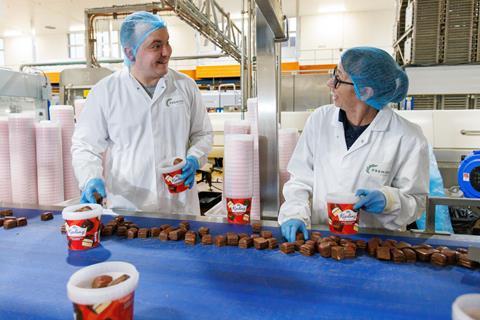
Mr Kipling has focused its efforts on providing “new flavour experiences that slot easily into busy lifestyles”, says Naomi Sooman, global marketing director for sweet treats at owner Premier Foods.
That’s led to innovation such as non-HFSS Lunchbox cakes in March. The Raspberry, Banana and Chocolate Orange variants all contain real fruit and provide under 100 calories per serving.
In the same month, Mr Kipling added Breakfast Bakes in Blueberry and Choc Chip.
51 (52) Charlie Bigham’s
Sales: £218.9m (+12.3%)
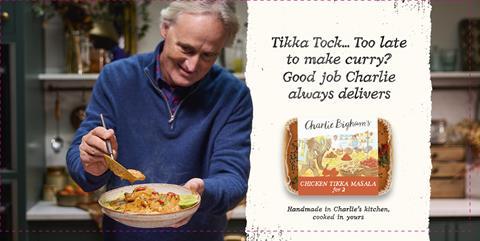
Having invested in national TV ads and secured additional distribution, including more space in Tesco, Charlie Bigham’s has accelerated its value gains.
The posh ready meal maker continues to benefit from growing brand awareness and a portfolio that, arguably, couldn’t be better suited to a nation with less cash to spend on meals out.
As part of its efforts to recreate those restaurant experiences at home, Bigham’s unveiled its “most indulgent collection yet” in October. Its Brasserie range debuted in selected Waitrose stores with a seriously elevated lineup of Venison Bourguignon, Coq au Vin, Duck Confit & Pommes Anna, Salmon Wellington and Beef Wellington (rsps: £16.95-£29.95).
Despite the price tags, shoppers have lapped up the launches. The wellingtons “have become instant highlights” and the beef line is even “outperforming the original forecast volume by more than double”, says Patrick Cairns, Bigham’s CEO.
“While the scale of Brasserie is limited to 79 Waitrose branches, the buzz was broad. The launch generated significant earned coverage, securing over 100 pieces of press.”
52 (54) Yorkshire Tea
Sales: £204.6m (+6.2%)
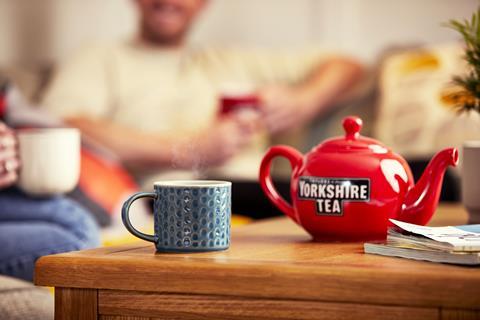
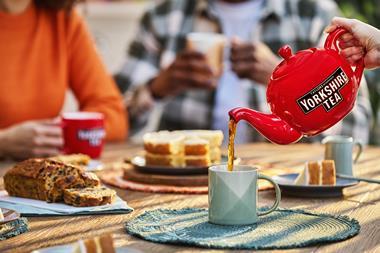
Britain’s biggest tea brand “continues to explore innovation in the tea category and beyond”. The brand points to last summer’s launch of Cherry Bakewell Brew. The “indulgent treat” arrived shortly after on-trend Yorkshire Tea Iced in Lemon and Peach & Raspberry.
53 (62) Fox’s
Sales: £202.2m (+14.7%)
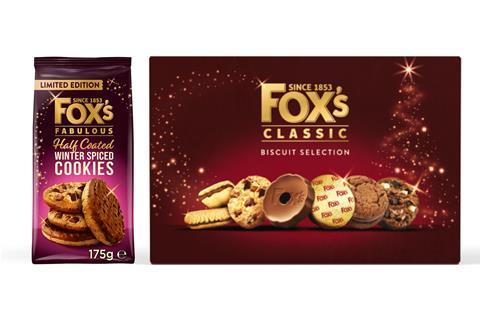
A new look and the consolidation of its poshest biccies under the Fox’s Chocolatey banner in August spurred on yet another bumper year for Fox’s. It’s benefited “as shoppers look to trade up to these products, seeing them as affordable luxuries”, says a spokesperson.
54 (56) McCoy’s
Sales: £199.2m (+5.0%)
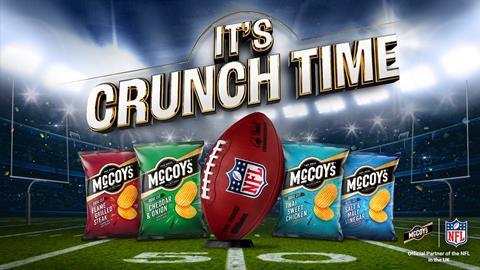
McCoy’s says its “robust marketing strategy” played a key role in its £9.5m gain, supported by its role as the NFL UK&I’s savoury snacks partner. The deal has driven brand visibility and reinforces McCoy’s connection with one of the UK’s fastest-growing sports communities, it adds.
55 (59) Ariel
Sales: £193.4m (+5.4%)
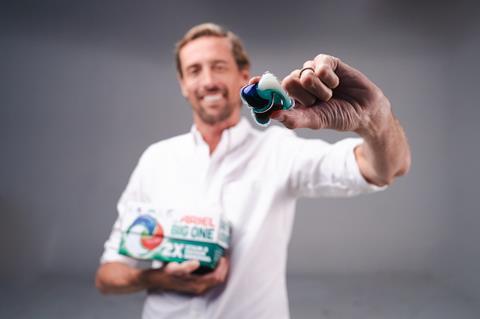
An Ariel TV advert starring Peter Crouch made “unsubstantiated” claims and “unverifiable” comparisons to competitors, the ASA ruled in October. A ban on the ad seems to have done little damage to the brand’s sales. Units are up 2.2% amid a boom for the laundry market.
56 (51) Weetabix
Sales: £193.0m (–3.0%)
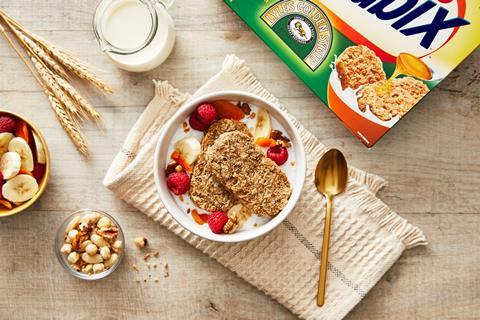
Weetabix has been hurt by the downturn in cold cereal. It’s lost £5.9m and units are down 7.4%. However, its Crispy Minis and Protein lineups are performing better, says head of brand Lorraine Rothwell. Weetabix Protein doubled its value to £6.8m in the 12 weeks to 29 November 2025.
57 (57) Buxton
Sales: £185.4m (+0.4%)

Buxton has missed out on the bottled water boom buoying its rivals. It’s sold 4.2 million fewer packs. One problem could be lack of flavoured lines – a key growth driver for the category. However, Buxton says partnerships with Mind and the London Marathon will help grow sales this year.
58 (53) Pedigree
Sales: £180.3m (–6.8%)
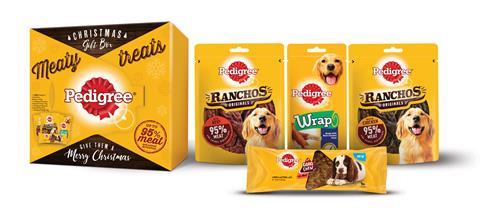
Nearly 80% of dogs over the age of three experience periodontal disease, says MarsPetcare. That’s why it has focused “significant R&D energy” on developing oral care products such as Pedigree Dentastix Light, which launched in July with 30% fewer calories than Dentastix.
59 (64) Comfort
Sales: £179.8m (+3.9%)
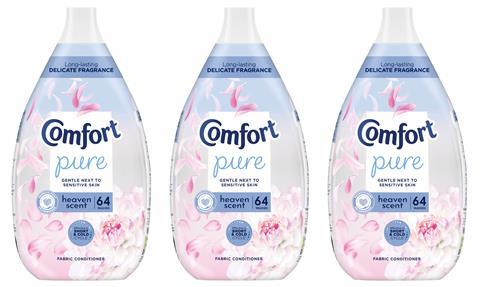
The laundry boom’s been a boon for Comfort – and so has its avoidance of price rises. It’s up £6.8m and 2.9 million units. Like sister brand Persil, Comfort added Pure Heaven Scent lines in May for Brits with sensitive skin, backed by a push featuring reality TV’s Molly-Mae Hague.
60 (61) Dairylea
Sales: £179.7m (+1.4%)
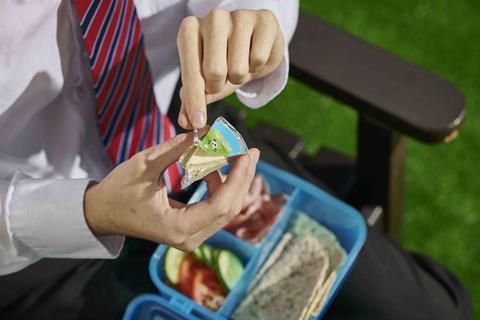
Having avoided price rises, Dairylea continued to deliver growth across its snacking portfolio. Dunkers, Lunchers and Triangles are all performing well. Ongoing marketing investment and NPD mooted for later this year will aim to accelerate the brand’s momentum.
61 (55) Young’s Seafood
Sales: £177.2m (–6.8%)
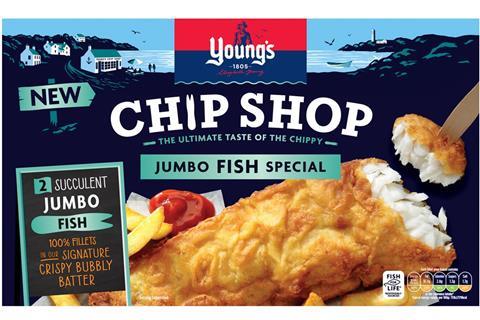
A 9.3% slump in units was driven by “inflationary pressures” and “behaviour shifts” in seafood, says Kevin Sinfield, Young’s marketing controller. But he stresses there are “still longer-term opportunities” for the brand, which this March ran a ‘We’ve got a fish for that’ push.
62 (106) Fage
Sales: £177.1m (+44.9%)
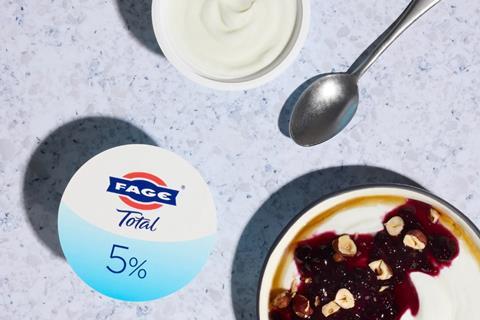
Healthy and versatile, plain yoghurt is trendier than ever. So, it’s no wonder Fage has smashed its way into the top 100 – enjoying faster value and volume gains than any other name in the ranking. It’s added £54.9m and shifted an extra 14.5 million packs of its strained Greek yoghurt.
Fage achieved its incredible growth by “driving a significant increase in consumer demand”, says a spokesman for the brand. It did that in part through NPD. “Our latest innovation, Fage Fruits, has seen strong double-digit growth, while we’ve focused on recipe inspiration to become a staple in Britain’s fridges,” the spokesman adds.
Satisfying demand for cleaner labels, lower-fat foods and other health needs was another key driver of gains. “Tapping ‘high-protein’ and ‘natural’ trends, our Fage Total range perfectly fits consumers’ wellness needs as a natural strained yoghurt,” the spokesman says.
In a further nod to health, Fage has invested in sporting tie-ups. “We continue to invest in the brand for the long term through inspirational content and exciting sponsorships, such as our Fage x LTA Youth partnership and the Queen’s Club Tennis Championship.”
63 (60) Batchelors
Sales: £174.0m (–4.3%)
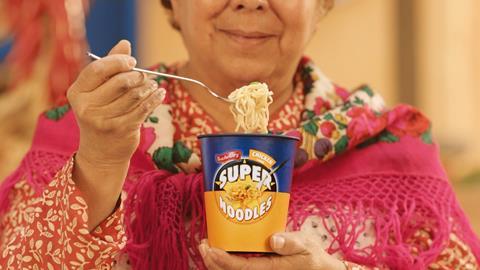
Batchelors took a “quick and simple” approach in 2025, says Kate Yateman-Smith, Premier Foods brand director of quick & easy meals. In April, Batchelors Pasta ‘n’ Sauce made its microwavable debut in four variants. That was followed in September by a four-strong filled pasta lineup.
64 (65) Chicago Town
Sales: £173.8m (+0.5%)
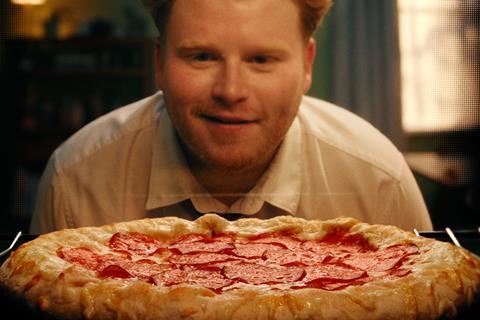
Chicago Town’s had a “big year for innovation”, says marketing manager Rachel Bradshaw. It’s launched eight lines, including the HFSS-compliant Takeaway Stuffed Crust BBQ Chicken Pizza, and expanded into the dessert space with Caramelised Biscuit Brownies.
65 (63) Quaker
Sales: £171.5m (–1.5%)
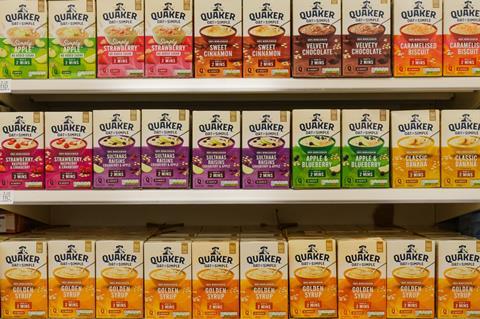
Quaker launched its non-HFSS-Oats & Fruit range in September, combining wholegrain oats with fruit and no added sugar or artificial ingredients. It’s brought new shoppers into hot cereals, says head of marketing Danielle Gipson. “We’re delighted with how it’s resonating.”
66 (67) Hellmann’s
Sales: £168.1m (+0.3%)
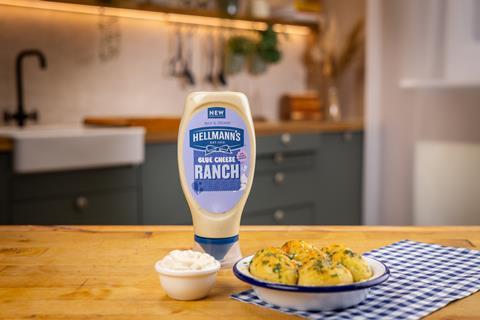
Hellmann’s unveiled Creamy and Spicy ranch sauces in April – its “biggest flavour innovation in years”. Ranch is “an iconic American flavour that’s rapidly gaining popularity in the UK”, said Richard Vaughan, marketing manager at owner Unilever, at the time of the launch.
67 (69) Good Boy
Sales: £167.5m (+2.7%)
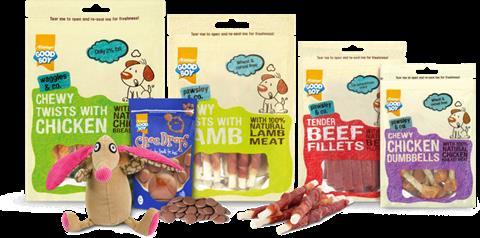
More than a third of UK households have a pet dog, according to trade body UK Pet Food. No wonder Good Boy’s range of food and toys continues to grow. Its units are up 3.1% – and while its value gain has slowed, it’s still the top 100’s second fastest-growing petcare brand.
68 (71) Kenco
Sales: £167.4m (+4.8%)
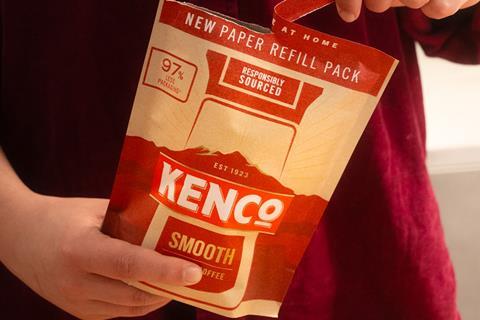
Amid serious inflation in coffee, the average price of Kenco has climbed 6.7% per pack. It means the brand’s worth £7.7m more despite units falling 1.7%. To lure more shoppers, Kenco has focused on adding “trending seasonal flavours”, like its Dubai Chocolate instant sachets.
69 (66) Irn-Bru
Sales: £167.4m (–1.0%)
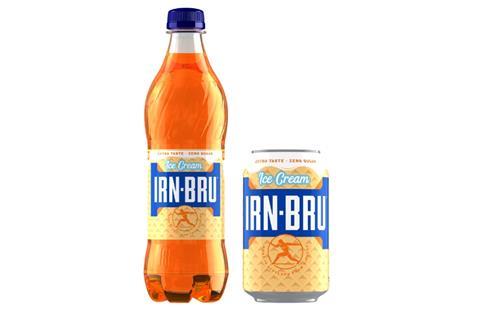
Irn-Bru launched its biggest-ever push in August, backed by an £8m investment. It also rolled out limited-edition mystery variants Nessie Nectar and Unicorn Tears. The brand rebadged Irn-Bru Xtra as Irn-Bru Zero in December to better communicate its sugar-free proposition.
70 (58) Richmond
Sales: £166.5m (–9.4%)
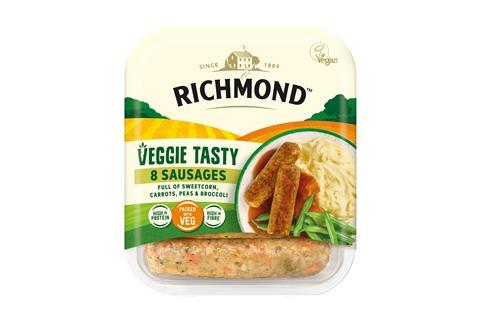
Last year, “market conditions became more competitive, with private label gaining ground in sausages”, says Chris Doe, marketing & innovation director at Pilgrim’s Europe. But Richmond “has proven its resilience and continues to be loved and trusted by millions of households”.
71 (72) Ben & Jerry’s
Sales: £166.4m (+4.7%)
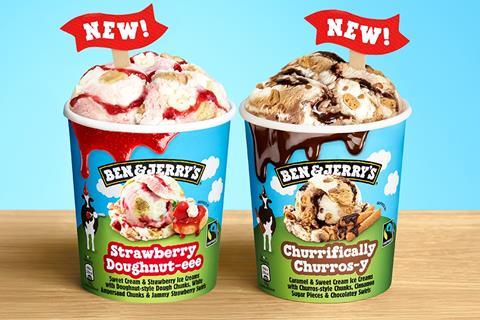
The Magnum Ice Cream Co’s high-profile bust-up with Ben & Jerry’s co-founders, Ben Cohen and Jerry Greenfield, doesn’t appear to have hampered sales. Ben & Jerry’s has made an extra £7.5m on volumes up 1.4%, following launches such as Chocolatey Orange Chunk in August.
72 (78) Rowntree’s
Sales: £164.9m (+14.9%)
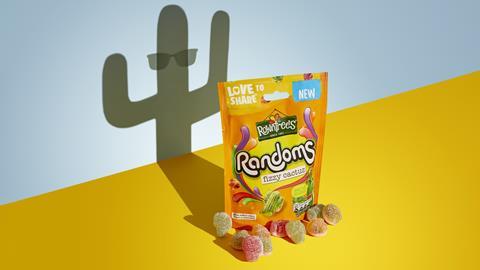
It’s been nearly 150 years since its Fruit Pastilles launched in UK chemists as a throat sweet – but Rowntree’s seems as relevant as ever.
That’s thanks to seemingly relentless reformulation and innovation – which have driven a 19.2% rise in units.
From the launch of a non-HFSS range of gummies in 2023 to the Squidgers lineup unveiled in June 2025, Rowntree’s has reimagined flavours, formats and formulations.
It’s work that’s allowed the Nestlé brand to stay up to date while also tapping nostalgia for its most established lines.
Take Jelly Tots Tangy. It launched in January 2025 as a twist on a classic candy – with multiple nods to what’s trending in the category. Not only is it sour, it’s also “made with real fruit juice”. Plus, it’s vegan, thereby “appealing to a broader audience who value delicious treats and enjoy tangy tastes”, says Nestlé.
Squidgers, meanwhile, reimagines some of the brand’s classic sweets in a trendy soft and ‘squidgy’ form – again to tap nostalgia.
New listings have also helped to drive Rowntree’s sales. “Growth has been supported by distribution gains of our sharing bags,” says Nestlé.
73 (76) Ginsters
Sales: £158.4m (+2.2%)
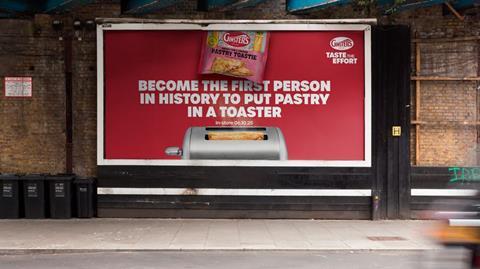
Innovation helped introduce younger shoppers to Ginsters in 2025, says the pasty giant. “The most recent example is the brand’s biggest ever launch for the category – the ground-breaking ‘lunchtime revolution’ Ginsters Pastry Toastie,” says Sarah Babb, the brand’s marketing director.
74 (68) Bisto
Sales: £156.6m (–4.6%)
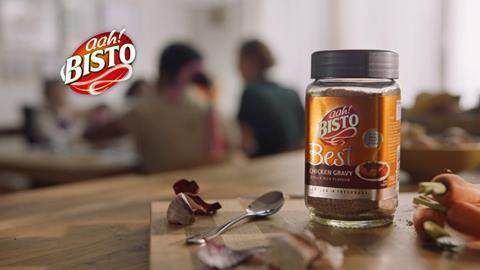
Bisto has sought to move gravy beyond the traditional roast by tapping “on-trend tastes”, says Kate Drew, marketing controller at Premier Foods. Hence the August launch of Peri-Peri and Sweet & Smoky BBQ Sauce gravies. Both are “designed to bring a modern twist to everyday meals”.
75 (70) Duracell
Sales: £156.4m (–3.5%)
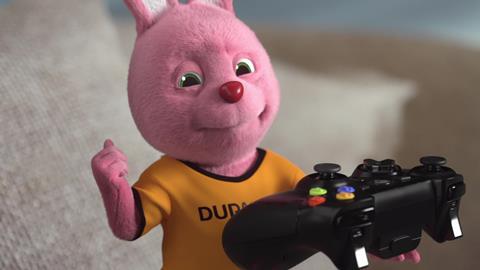
“Our approach at Duracell is always grounded in value creation – for consumers and our retail partners – and making it clear why Duracell is different, better and worth paying more for,” the brand says. However, its units have fallen 7.2% as the battery category as a whole loses power.
76 (74) Quorn
Sales: £153.7m (–1.9%)
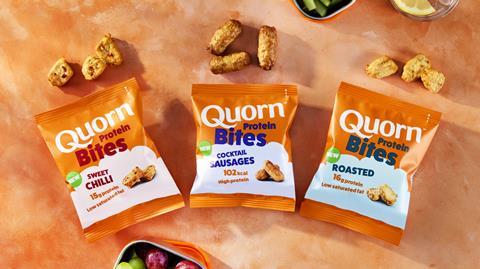
Quorn insists it has “outperformed the category”, attracting 500,000 new shoppers. That’s down in part to “purposeful” reformulation, removing artificial ingredients from its core frozen range. “The result is growing trust and confidence at a time when reassurance really matters.”
77 (75) Pot Noodle
Sales: £151.7m (–2.3%)
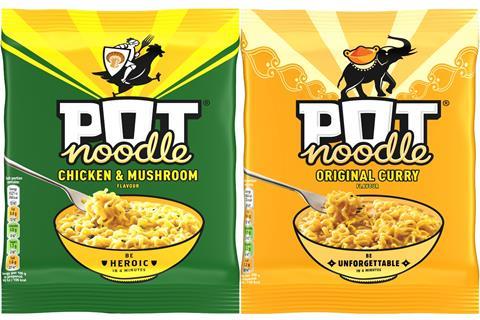
After shedding £3.5m and two million units, Pot Noodle is eyeing new meal occasions for growth. Hence last month’s launch of large noodle blocks in four classic variants, including Chicken & Mushroom and Original Curry. They’re intended to be convenient evening meals.
78 (73) Tropicana
Sales: £150.5m (–4.6%)
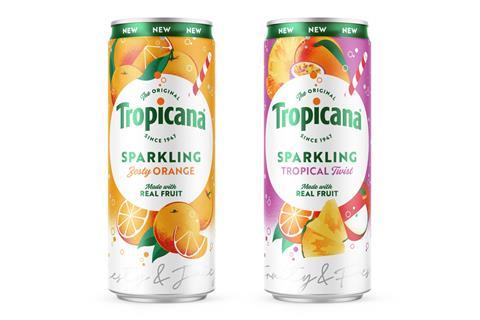
A slump in units has accelerated for Tropicana. It’s shifted 9.5 million fewer packs – a decline of 13.7%. Marketing director Liz Ashdown points to “inflationary pricing” driven by soaring orange juice concentrate costs, but adds that “portfolio cleansing” is helping to turn things around.
79 (84) Peperami
Sales: £146.9m (+7.9%)
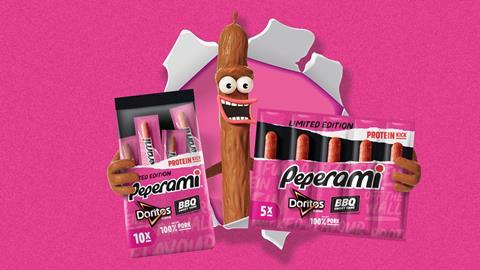
Peperami’s core lines were the driving force behind its growth in 2025. “We focused on strengthening five-packs and Minis through improved distribution, strong availability and compelling promotional execution,” says David Harriman, Jack Link’s UK&I country director.
80 (95) Sheba
Sales: £146.3m (+12.9%)
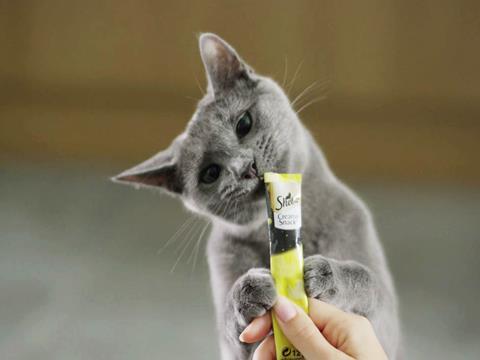
Sheba is making dinner a fancier occasion for cats. Take its Selections Filets in Broth, added in spring 2025. The launch is “designed to provide felines with an elevated dining experience”, says the brand. The fancy filets form part of a portfolio that’s added £16.7m on units up 6.2%.
81 (81) Kleenex
Sales: £145.3m (+2.7%)
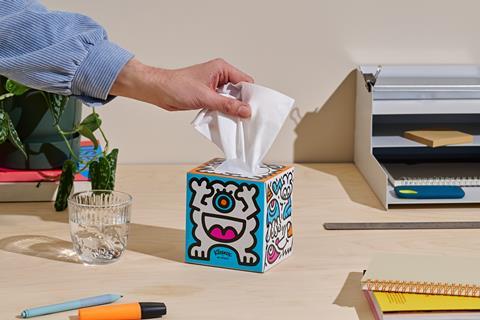
Kleenex’s bid to break out of the paper products aisle – visited by only 17% of shoppers – into impulse displays has been critical to its £3.8m gain. The tissue brand’s director of marketing, Niamh Finan, also credits its partnership with artist Mr Doodle and his “vibrant designs” with adding more than 800,000 new shoppers.
82 (82) M&M’s
Sales: £143.4m (+2.0%)
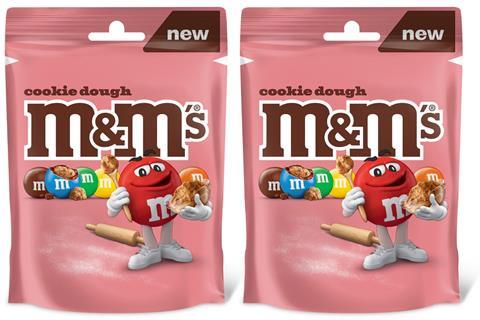
M&M’s has made an extra £2.7m on flat units, after attempting to lure “a younger audience” with four new Minis Easter lines in December 2024. Ahead of Halloween, it teamed up with Jedward for a social-first PR stunt that involved the pop duo taking on a horror movie marathon.
83 (92) Febreze
Sales: £142.6m (+8.4%)
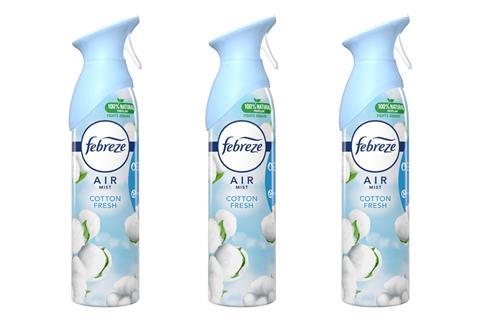
Garment care is one of household’s most buoyant sectors, as Brits look to ‘reset’ their clothes in a more affordable way than a full laundry cycle. No wonder Febreze has shifted an extra 1.7 million packs. Last month, the brand unveiled its fifth annual scent of the year, Tranquil Cyprus Coves.
84 (77) Old El Paso
Sales: £140.6m (–4.8%)
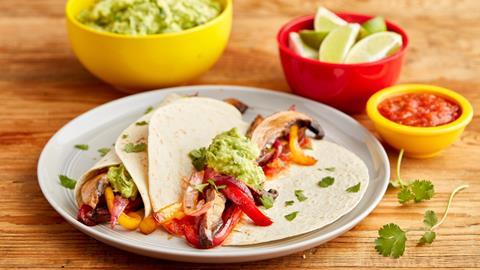
Old El Paso turned up the heat in August by extending its range of fajita seasoning mixes with Fiery Chili & Tomato 25g. It was joined by Smoky BBQ Extra Mild 35g. “We’re catering to even more tastes and households,” said Aditi Hilgers, General Mills UK head of meals, at the time.
85 (86) Anchor
Sales: £139.4m (+3.7%)
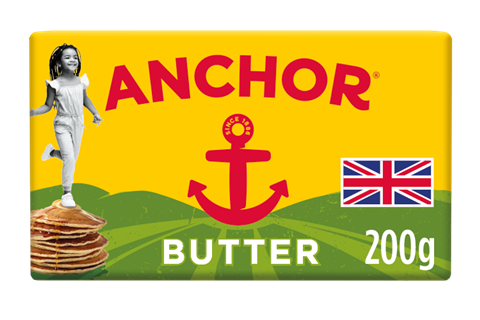
Anchor’s £5m gain was driven by a 13.3% rise in average price per pack. Unit sales fell 8.5%. But, helped by the relaunch of its ‘Comfort’ push last October, the brand’s block butter is still Britain’s number one, having “held firm in a volatile market”, says marketing director Catriona Mantle.
86 (79) Schweppes
Sales: £139.1m (–3.0%)
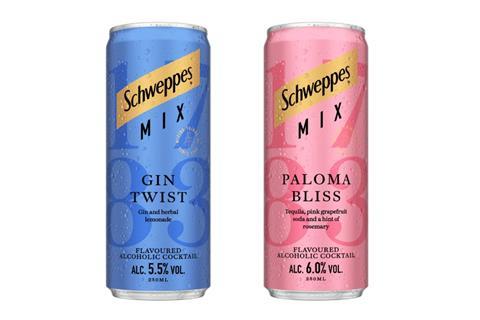
The festive ‘Fizz It Up’ push wasn’t enough to halt Schweppes’ sliding sales. The campaign generated £5.8m over Christmas, but the brand has lost £4.3m on volumes down 5.3%. Schweppes has turned to NPD, such as last spring’s Tropical Soda, to revive its fortunes.
87 (87) Philadelphia
Sales: £138.3m (+3.0%)
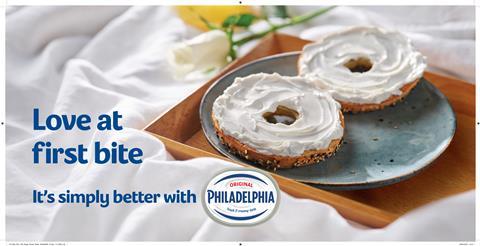
Philadelphia’s growth in 2025 was largely thanks to its diverse range of products and flavours. Britain’s bestselling spreadable cheese is focused on tapping the latest health trends – as demonstrated by the January rebrand of Philadelphia Lightest as Philadelphia Protein.
88 (80) Finish
Sales: £137.4m (–3.8%)
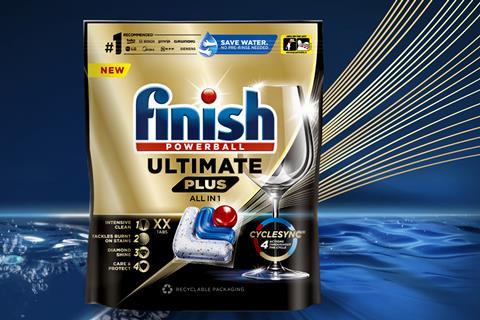
In October, YouGov found 38% of people were visiting eateries less often than the year before. And more meals at home means more washing-up. However, dishwasher brand Finish did not capitalise. It lost £5.4m and 1.2 million units in a year that involved a tie-up with Bosch for an ad push.
89 (97) Vimto
Sales: £137.0m (+6.7%)
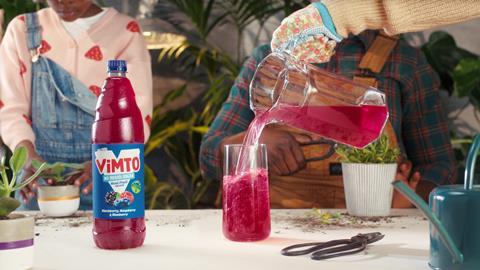
Vimto is riding up the ranking on the back of savvy innovation and marketing.
A case in point is the March 2025 debut of Wonderfuel, a trio of functional breakfast squashes available across Tesco, Sainsbury’s, Morrisons and Booths.
“Wonderfuel leverages growing appetite for health and wellness products, being fortified with vitamins B, C and D, as well as zinc and iron,” says Angela Reay, group marketing director at Vimto owner Nichols.
Wonderfuel’s launch was supported by a £1m push. Vimto also spent £3.5m on bringing back its ‘Love the Taste’ campaign to support the brand’s core range.
All that spending seems to have done the trick: Vimto’s sold an extra 6.1 million units – a rise of 7.9%.
“Across our product mix, we continue to grow market share in squash, cementing our position as the UK’s number two brand,” adds Reay.
“Meanwhile, Vimto Energy continues to perform well, delivering 41.1% value growth during 2025.”
Keen pricing has also paid off. Unlike its rivals, Vimto has managed to keep a lid on inflation: average price per unit has fallen 1.1%.
90 (89) Oatly
Sales: £136.6m (+2.1%)
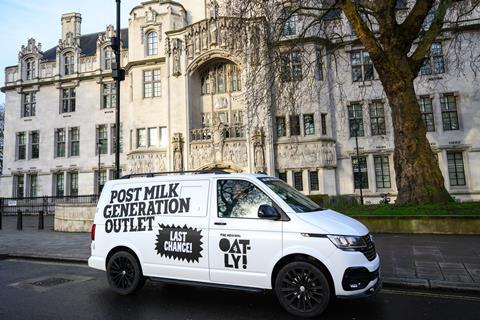
Oatly has leaned on innovation to attract new and younger shoppers. Matcha Latte Oat Drink “dialled up ease and convenience” in the summer, while last month’s flavoured Barista lines enable Brits to “enjoy even more flavourful, creative and distinctive drinks”.
91 (98) Mars
Sales: £136.1m (+6.2%)
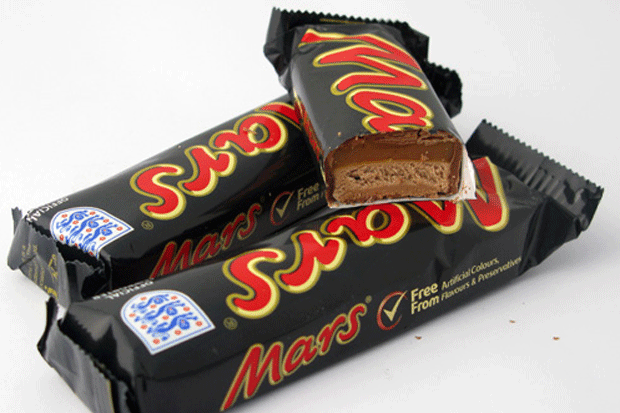
Mars’ £7.9m gain was driven by a 10.8% increase in average unit price; it’s sold 3.3 million fewer packs. Shoppers are petitioning for the return of the brand’s Delight crispy wafer bar, which has been absent since 2008. Mars says it’s “always tuned in” to consumer requests.
92 (90) Flora
Sales: £135.8m (+1.6%)
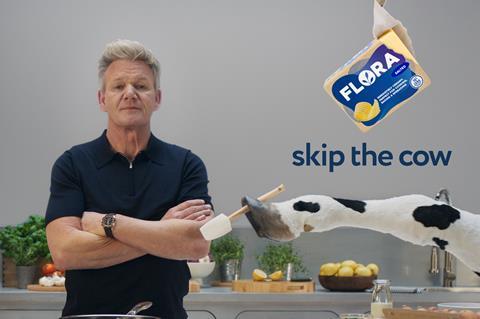
Flora’s 6.3% rise in average price per pack has been a key driver of its 4.4% drop in unit sales. But head of marketing Ian Hepburn points to “marketing that underlines the brand’s delicious versatility”as a counterpoint. Highlights include a partnership with Gordon Ramsay.
93 (128) Yo
Sales: £132.9m (+27.5%)
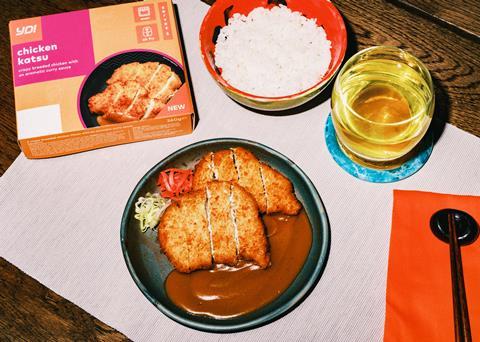
Health “continues to be a big driver”, says Yo, which has added £28.7m on units up 24.8%. Meals “built around rice, veg and protein” fit with “how people want to eat these days”, says CCO Mark Turner. The brand’s food-to-go range is now available in over 6,000 stores across the UK.
94 (105) Ribena
Sales: £132.7m (+8.1%)
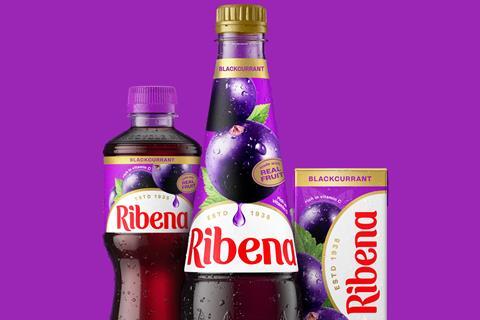
Ribena has rolled into the top 100 after selling an extra 1.3 million packs. Sales director Alpesh Mistry says squash sales have been strong – up 9% in value in a market up 4.3%. “This outperformance is notable given wider market challenges and increased out-of-home water consumption.”
95 (85) Princes Foods
Sales: £132.6m (–1.8%)
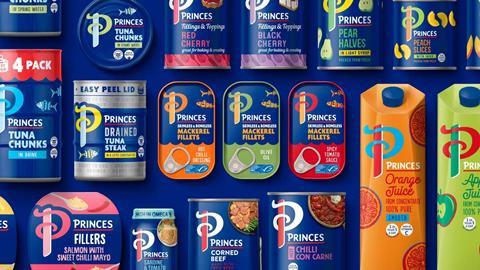
Princes launched a tinned range of jack mackerel in October as a more sustainable alternative to the regular fish – supply of which is under strain. “This proactive switch mitigates long-term sourcing risks while maintaining affordability and consistent quality,” says Princes Group.
96 (100) Fridge Raiders
Sales: £131.1m (+5.0%)
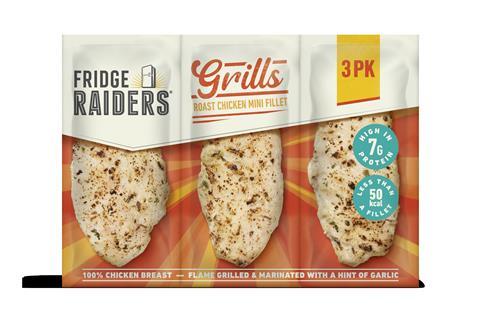
“Fridge Raiders has firmly established itself as a beloved snacking brand,” says Chris Doe, UK marketing & innovation director at Pilgrim’s Europe. Its success comes down to “staying in tune with what consumers want: convenient, protein-rich snacks that fit their busy lifestyles”.
97 (115) Napolina
Sales: £130.6m (+15.3%)
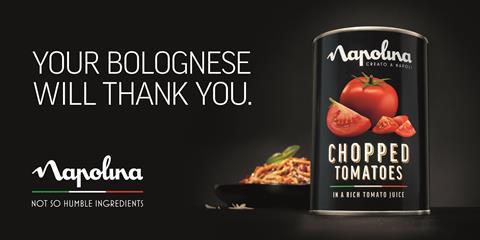
A little under four years ago, Napolina kicked off its ‘Not So Humble’ campaign in a bid to revive flagging sales. The aim was to reassert the brand as a premium range of Italian ingredients worth splashing out on.
By 2025, that messaging had clearly landed: Napolina’s unit sales have surged 23.6% at a time when many other ambient players are settling for flat or declining volumes.
For Jeremy Gibson, marketing director at Napolina owner Princes Group, the brand is a case study in how shoppers will trade up for the right product. “Despite shoppers becoming more value‑conscious, we’re seeing a clear shift in how value is defined,” he says.
“Consumers are prioritising taste, quality ingredients and versatile meal solutions as in‑home cooking continues to rise. This has driven own-label shoppers to trade up to Napolina, creating a favourable environment for brands like us that deliver both quality reassurance in our ingredients and versatility.”
A succession of NPD has further bolstered Napolina’s fortunes. In September, it added “flavour-boosting” tomato purée in Red Wine, Chilli & Garlic and Herbs & Garlic.
98 (83) Aunt Bessie’s
Sales: £130.1m (–6.4%)
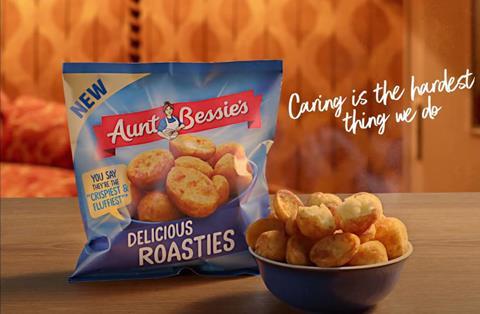
The hot summer of 2025 was partly responsible for Aunt Bessie’s poor performance. Only five other top 100 brands suffered faster value declines. Aunt Bessie’s is now targeting “elevated at‑home meals”, says head of marketing Claire Hoyle. Hence such launches as Carvery Yorkshire Puddings.
99 (91) Celebrations
Sales: £129.8m (–1.9%)
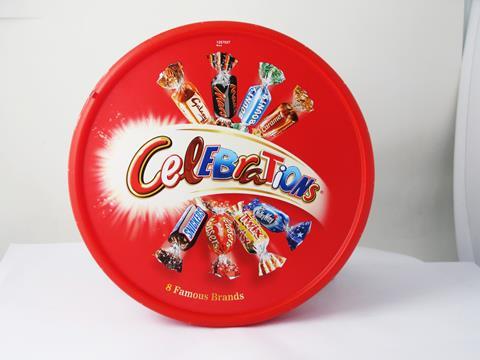
Looks like the party’s coming to an end for Celebrations. It sold 1.3 million fewer units after shrinking its tubs by 50g (8.3%) in the summer. In the run-up to Christmas, shoppers took to social media to point out a batch of Celebrations Advent calendars had been printed without numbers.
100 (96) Dolmio
Sales: £129.1m (+0.3%)
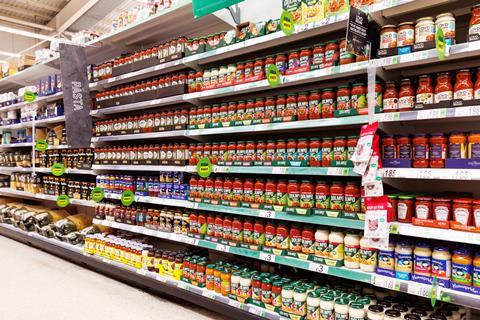
Dolmio has added just £400k on volumes down 1.1%. That’s despite the summer’s ‘Don’t Look Back in Hanger’ sampling campaign and a drive last March into new formats and meal occasions with ambient ready meal ranges Feasts and Classics – both of which are non-HFSS.
Britain’s Biggest Brands 2026: how healthy are the UK’s biggest brands?
Brits are turning away from UPFs and HFSS goods. But with definitions blurred, and indulgence still desired, it’s a mixed picture for food and drink
- 1
- 2
 Currently
reading
Currently
reading
Britain’s Biggest Brands 2026: the top 100
- 4



No comments yet